
Welcome
Welcome to the Institute on Human Development and Disability (IHDD), where we strive to promote a world that values and supports full participation of individuals with disabilities in all aspects of life.
Registration for the IHDD’s 2024 Research Day is Now Open!
Director’s Message
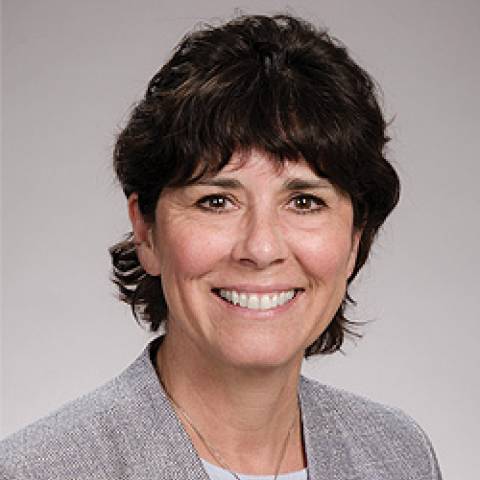
It is my pleasure to welcome you to the University of Washington Institute on Human Development and Disability (UW IHDD). Founded in 1963, the UW IHDD is one of the few centers in the United States composed of three major federally funded core programs, a Eunice Kennedy Shriver Intellectual and Developmental Disabilities Research Center (IDDRC), a University Center for Excellence in Developmental Disabilities (UCEDD), and the Leadership Education in Neurodevelopmental and Related Disabilities (LEND), combined in one comprehensive center.
What’s Happening
Explore our latest news and events, including conferences at the IHDD and beyond, to stay up-to-date on our work and important topics and events in the community.
Subscribe to the IHDD Newsletter
IHDD News
Upcoming Events
Subscribe to the IHDD Newsletter
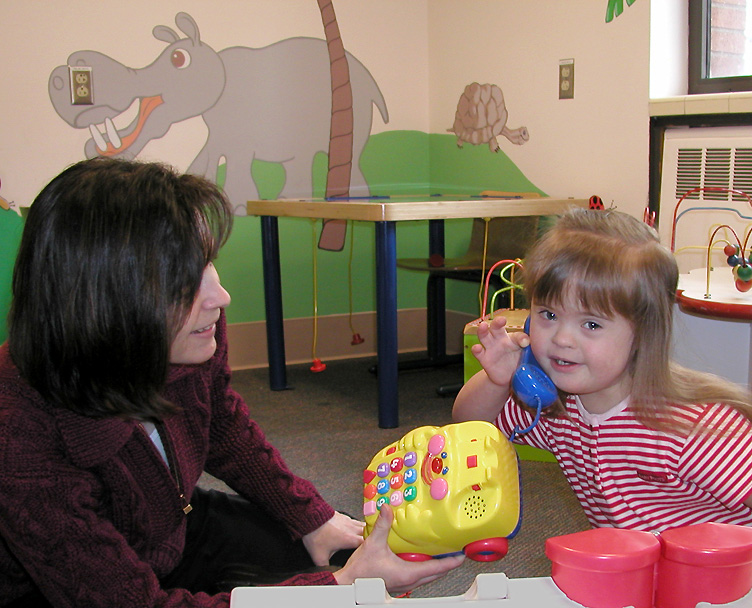
Specialty Clinics: Our Mission
The IHDD Specialty Clinics provide comprehensive interdisciplinary evaluation and care for individuals and families living with the impact of neurodevelopmental disabilities. We provide evidence-based assessments, advocacy, and training using family-centered and culturally appropriate principles of care.
IHDD Educational Opportunities
Clinical, Didactic, ECHO, and Leadership
The IHDD offers a range of educational opportunities that aim to advance knowledge and skills in the disability field for professionals, advocates, and individuals with disabilities.
IHDD Research
Research Cores and Affiliates
The IHDD provides a collaborative and interdisciplinary research environment to conduct innovative and meaningful research that aims to improve the lives of individuals with disabilities.

Preparing for Your Visit
Clinical services at IHDD serve individuals with or at risk for developmental, learning, and behavioral problems and their families. Clinics also serve adults with a variety of neurodegenerative disorders and related disabilities.
- Map and Directions
- How to Prepare for Your Appointment
- Support Services
- Billing and Insurance