|
1
|
|
|
2
|
|
|
3
|
- Most Chicanos lived in Texas,
California, and other southwestern states. The Latino population of
Washington State began to grow in the 1940s, especially in the Yakima
Valley where people found work in agriculture.
- In both regions, Chicanos faced prejudice and discrimination. Jesus
Rodriquez describes conditions in Texas in the 1950s.
|
|
4
|
- Blanca Estella Garza and
Frank Martinez were children of farm workers. Their families moved from
Texas to the Pacific NW when they were young.
- Frank remembers how schools in the Yakima Valley in the 1960s made
Hispanic children feel inferior and ashamed of their heritage. He talks
about the school policy of “assimilation”—the idea that children should
set aside Hispanic culture and identity. The Chicano movement would
fight against this concept.
|
|
5
|
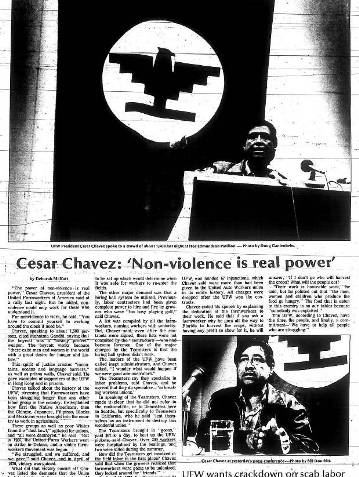
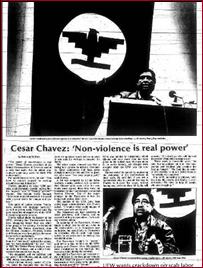
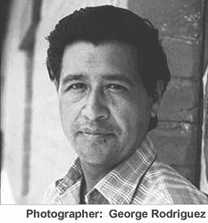
- In 1962, a Californian named
Caesar Chavez started a movement to organize farm workers and improve
living and working conditions for those who made their livings in the
fields. The movement eventually became the United Farm Workers of
America AFL-CIO.
- The UFW was more than a union. It was also a civil rights organization
fighting for equal rights and respect for Mexican Americans.
|
|
6
|
- By 1966, the UFW was waging a major campaign to convince California
grape growers to recognize the union and improved conditions in the
fields.
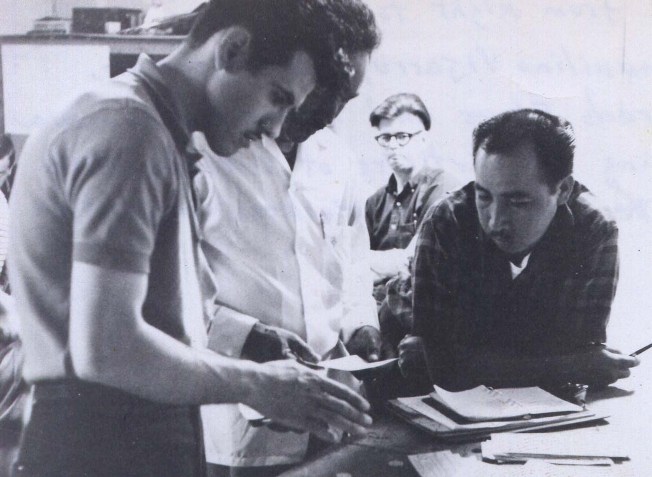
- That year two young men from
Yakima, Tomas Villanueva and Guadalupe Gamboa, met with Chavez in
California, then returned to Washington to begin organizing.
|
|
7
|
- Despite opposition from
local farm and business owners, Villanueva and Gamboa began the United
Farm Workers Cooperative and Service Center.
- With dues from members of the Co-op, as well as money from the federal
government, they were able to start a medical clinic for Yakima Valley
farm workers. They also started a
store, which guaranteed fair prices to Co-op members: something the
farmers they worked for refused to do.
|
|
8
|
|
|
9
|
- Until 1968, only a handful
of Chicanos had attended the University of Washington. That year the
Black Student Union successfully agitated for funding from the
University to recruit students of color.
- Members of the BSU traveled to Eastern Washington to convince
college-aged Chicanos and Chicanas to enroll at UW.
|
|
10
|
- Along with 29 other Chicanas
and Chicanos, Yolanda Alaniz enrolled at the University of Washington in
1969. This was the first substantial group of Mexican American students
at the state’s premier university.
|
|
11
|
- Chicana and Chicano students at UW quickly formed several on-campus
groups, including chapters of the Brown Berets, and el Movemiento del
los Estudiantes Chicanos del Aztlan (MEChA).
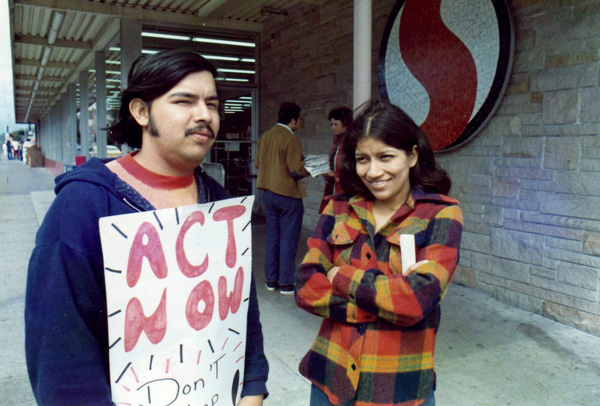
- Supporting the United Farm Workers grape boycott was an important
commitment for each of these organizations
|
|
12
|
- One accomplishment of MEChA
was to get an entire dormitory floor devoted to Chicana/os. This floor became the center of
activism for MEChA.
- Ricardo Martinez was part of the
second class of Chicano students recruited to UW in 1970. He remembers
the inspiration and dedication of that group.
|
|
13
|
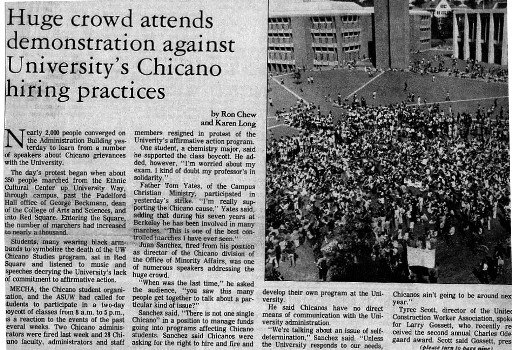
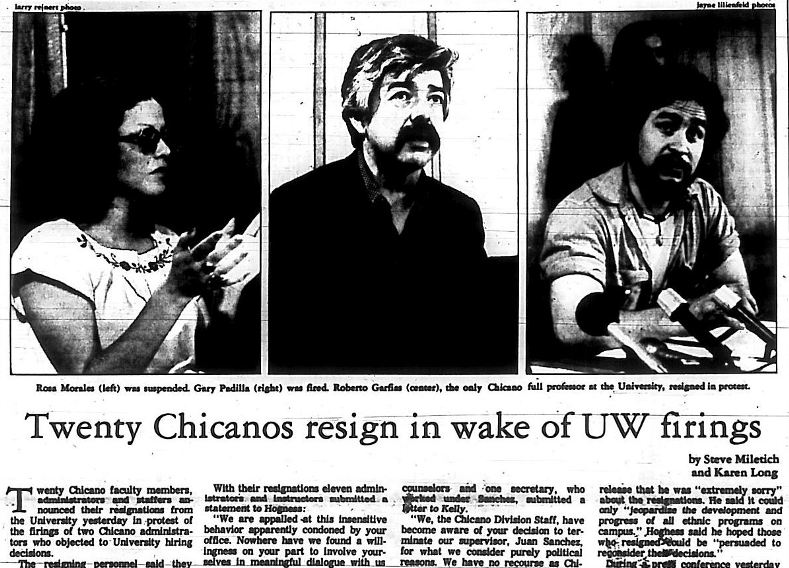
- UW students agitated to create a Chicano studies program on campus and
demanded that the university hire Chicano faculty.
- They used protest techniques--from meetings and petitions to taking
over school offices--in order to be heard.
|
|
14
|
- Chicano student activism
resulted in major educational reforms. The University was persuaded to
offer Chicano Studies courses and increase the number of students and
faculty of color.
- As Juan Jose Bocanegra explains, important programs to serve the
community also came out of these protests.
|
|
15
|
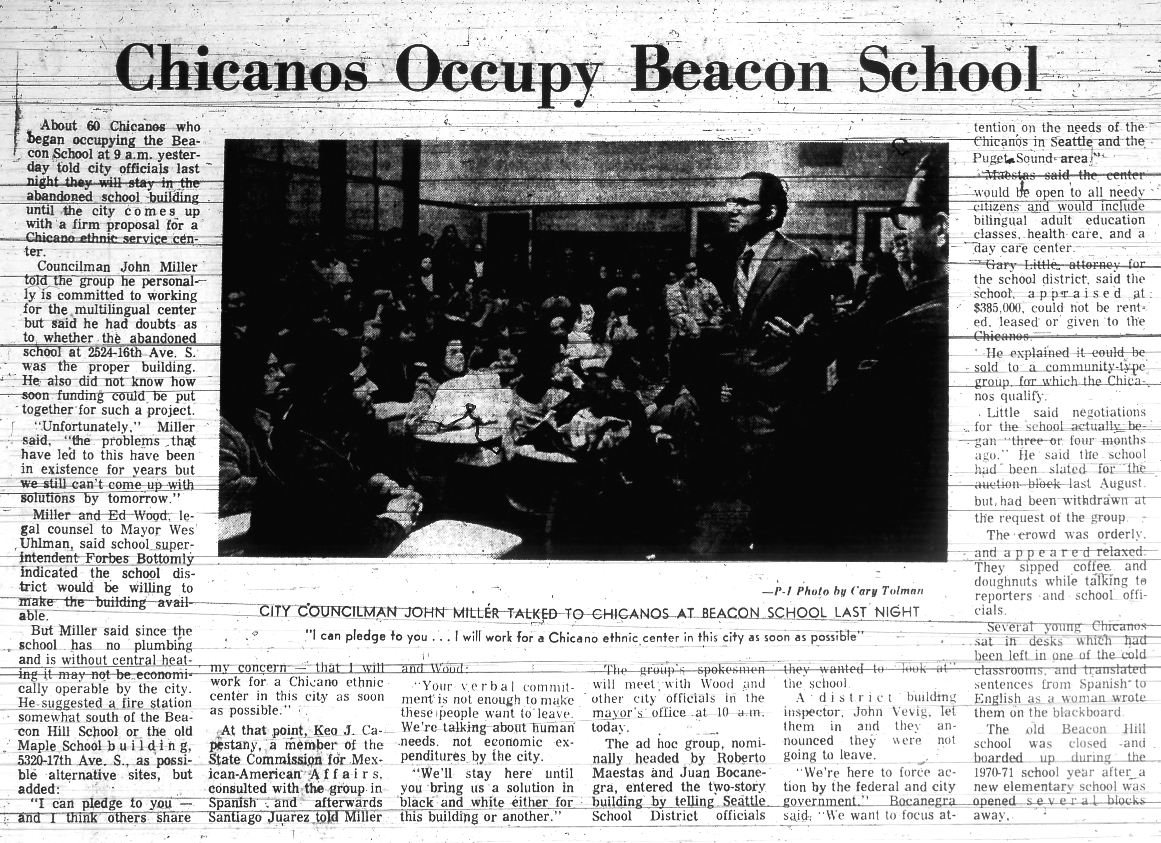
- Seattle also had a growing Latino population and activists had been
pressing the city for a building in which to establish a Chicano
community center.
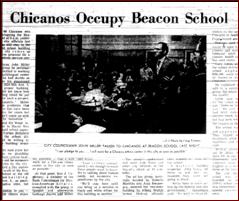
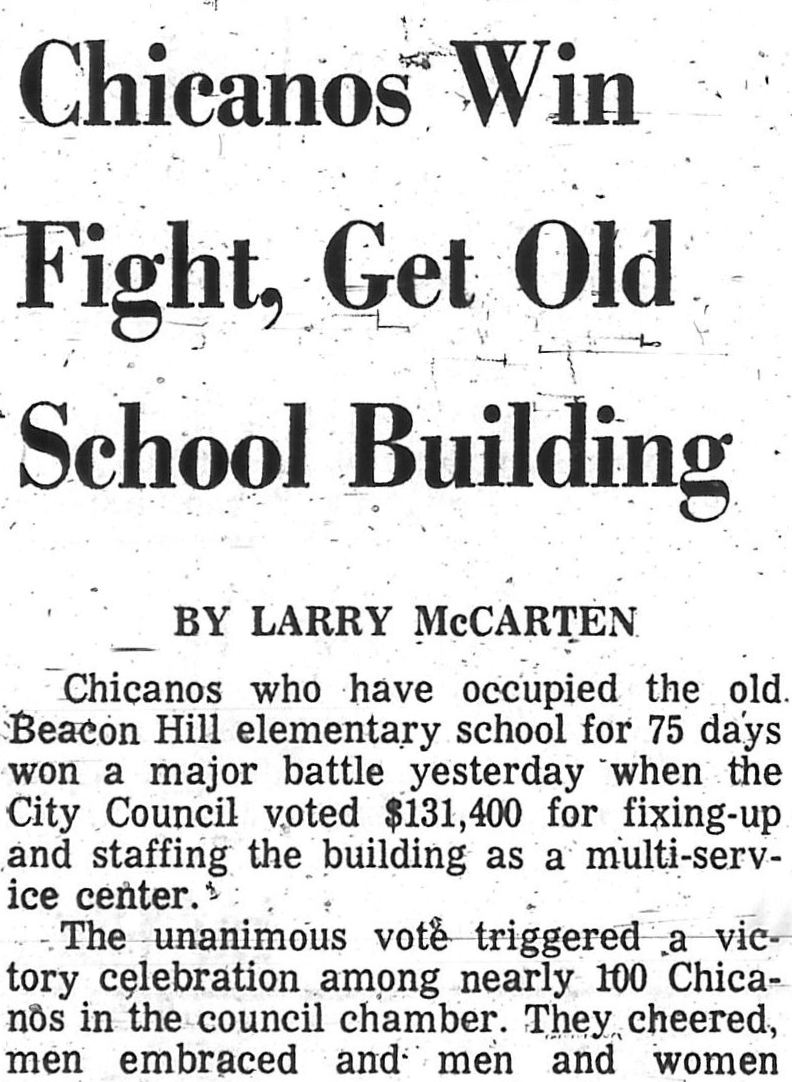
- Tired of having their
requests ignored, in 1972 they seized an abandoned school building on
Beacon Hill and renaming it El Centro de la Raza.
|
|
16
|
- After a 75 day occupation and
tense negotiations, the city acquiesced and today El Centro de la Raza
is a vital community center serving Chicanos and other residents of the
Beacon Hill area.
- El Centro’s director Roberto Maestas talks about the early days of the
organization.
|
|
17
|
- Farm worker activism continued alongside the protests on campus and in
Seattle. In the 1980s the United Farm Workers launched a campaign to
organize workers in the state’s wine industry.
- After a long boycott, the UFW and Chateau Ste. Michelle winery signed
the first union contract for farm workers in Washington state.
- Rosalinda Guillen was the principal organizer of the successful Chateau
Ste. Michelle campaign.
|
|
18
|
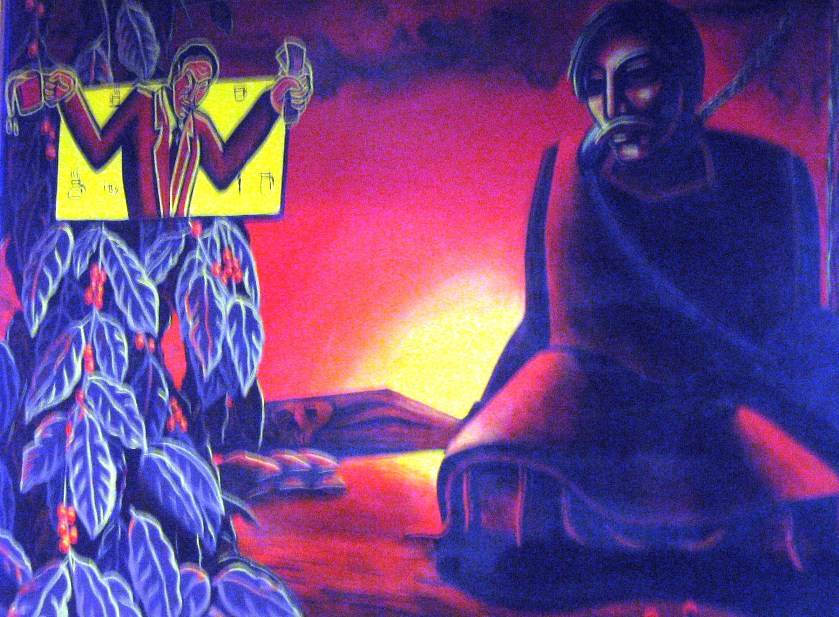
- The United Farm Workers
remains active today. With the advent of the international Fair Trade
coffee movement, activists like Rebecca Saldana began to push for a
domestic Fair Trade movement to preserve and improve the domestic
agricultural economy.
|
|
19
|
- Chicana and Chicano student
and community activists recently joined forces again, advocating for
immigrant rights and protesting proposed changes to immigration law.
|
|
20
|
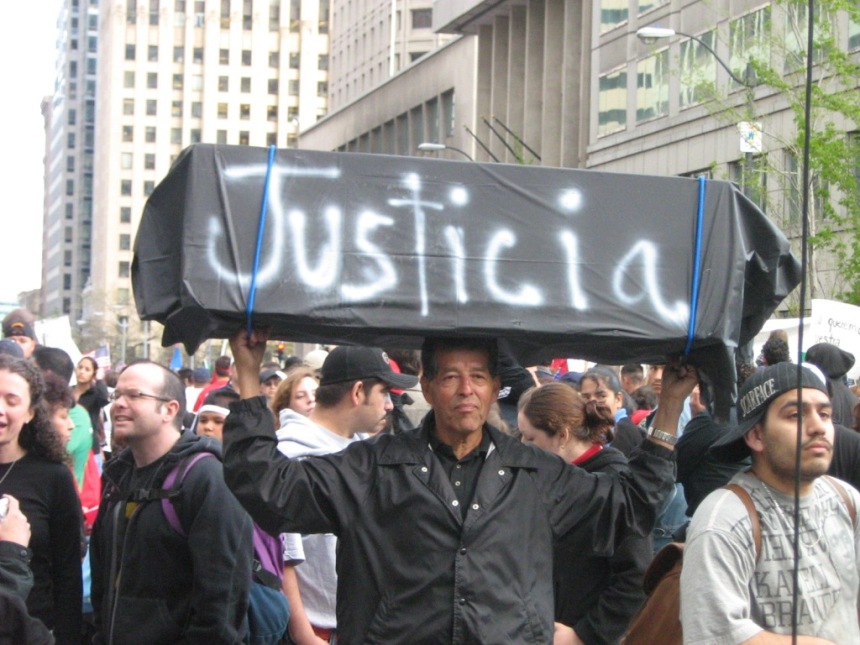
- In April and May of 2006,
over one million people participated in marches and rallies to express
their disapproval over changes to immigration laws that would have made life and work much
tougher for undocumented people in the United States.
- In Washington State marches were held in many cities and even in parts
of the state that rarely see protests.
|
|
21
|
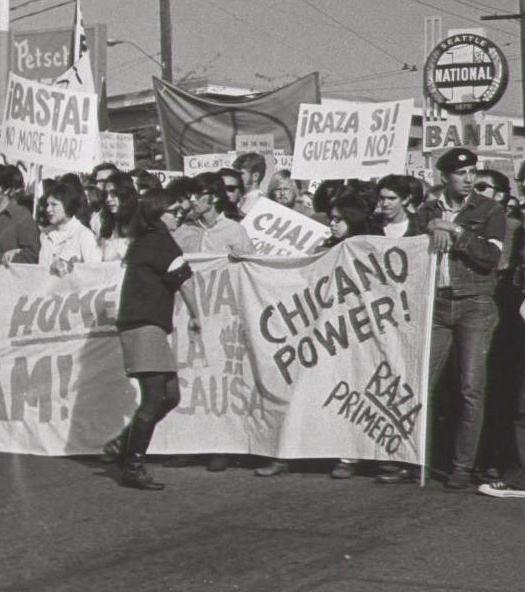
- Chicano activists have fought against discrimination on farms, on
campuses, and in cities. In so doing, they have claimed a visible and
audible space for themselves and forged one of the most important civil
rights movements in Washington State and in the nation as whole.
- The Chicano Movement has changed laws and policies, attitudes and
values, and helped make the United States more open, more democratic.
|
|
22
|
|
|
23
|
|

 Notes
Notes