 Bictegravir-Tenofovir alafenamide-Emtricitabine Biktarvy
 Darunavir-Cobicistat-Tenofovir alafenamide-Emtricitabine Symtuza
 Dolutegravir-Abacavir-Lamivudine Triumeq
 Dolutegravir-Lamivudine Dovato
 Dolutegravir-Rilpivirine Juluca
 Doravirine-Tenofovir DF-Lamivudine Delstrigo
 Efavirenz-Tenofovir DF-Emtricitabine Atripla
 Elvitegravir-Cobicistat-Tenofovir alafenamide-Emtricitabine Genvoya
 Elvitegravir-Cobicistat-Tenofovir DF-Emtricitabine Stribild
 Rilpivirine-Tenofovir alafenamide-Emtricitabine Odefsey
 Rilpivirine-Tenofovir DF-Emtricitabine Complera
 Enfuvirtide Fuzeon
 Fostemsavir Rukobia
 Ibalizumab Trogarzo
 Maraviroc Selzentry
 Dolutegravir Tivicay
 Raltegravir Isentress
 Abacavir Ziagen
 Abacavir-Lamivudine Epzicom
 Abacavir-Lamivudine-Zidovudine Trizivir
 Didanosine Videx
 Emtricitabine Emtriva
 Lamivudine Epivir
 Stavudine Zerit
 Tenofovir alafenamide-Emtricitabine Descovy
 Tenofovir DF Viread
 Tenofovir DF-Emtricitabine Truvada and Multiple Generics
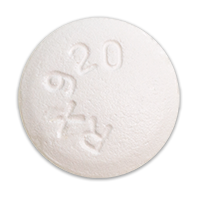 Zidovudine Retrovir
 Zidovudine-Lamivudine Combivir
 Doravirine Pifeltro
 Efavirenz Sustiva
 Etravirine Intelence
 Nevirapine Viramune
 Rilpivirine Edurant
 Atazanavir Reyataz
 Atazanavir-Cobicistat Evotaz
 Darunavir Prezista
 Darunavir-Cobicistat Prezcobix
 Fosamprenavir Lexiva
 Indinavir Crixivan
 Lopinavir-Ritonavir Kaletra
 Nelfinavir Viracept
 Saquinavir Invirase
 Tipranavir Aptivus
 Cobicistat Tybost
 Ritonavir Norvir
National HIV Curriculum
The National HIV Curriculum is an AIDS Education and Training Center Program and led by the University of Washington.
Funded by
Health Resources and Services Administration (HRSA)
About the National HIV Curriculum
The National HIV Curriculum is a free educational website from the University of Washington. This project is funded by the Health Resources and Services Administration (HRSA).
The National HIV Curriculum provides ongoing, up-to-date information needed to meet the core competency knowledge for HIV prevention, screening, diagnosis, and ongoing treatment and care to healthcare providers in the United States.
Free CME credit, CNE contact hours, and CE contact hours are offered throughout this site. Pharmacology CE for advanced practice nurses is also available for many of the activities.
Latest Updates
3rd Edition Launched 9/1/23!Your 3rd Edition progress tracker will display work and CE earned in this new 3-year CE accreditation period.
 Site Overview Available!
Editor-in-Chief, Dr. David Spach, highlights key aspects of this website in this 13 min talk.
 What are Learning Groups?
Kent Unruh explores the Learning Groups functionality in this 9 minute video.