Serving families during COVID-19 pandemic. Get the latest information…
Clinical Training Unit (CTU) at the Institute on Human Development and Disability (IHDD)
Clinical Training Unit (CTU) at the Institute on Human Development and Disability (IHDD)
The Clinical Training Unit (CTU) is dedicated to prevention and treatment of neurodevelopmental disabilities including Autism Spectrum Disorder, through research, leadership training, developmental specialty clinics, and community outreach.
“Where excellence in developmental specialty care and leadership training intersect.”
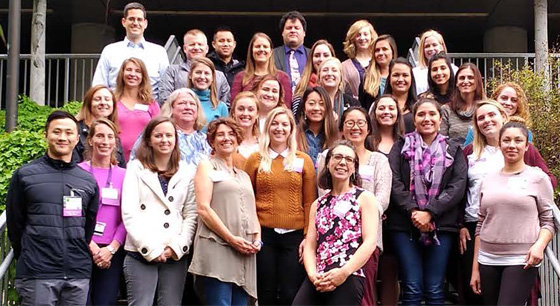
UW LEND Program
Prepares the next generation of leaders to address the complex needs of individuals with neurodevelopmental disabilities and their families.
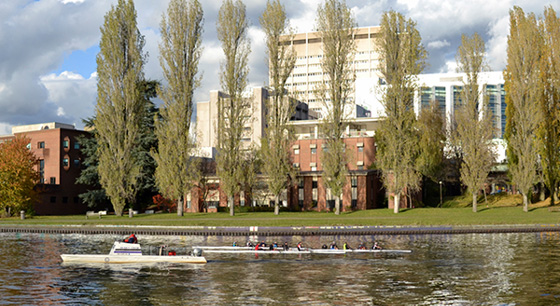
Specialty Clinics
An interdisciplinary team approach assures comprehensive and integrated services in all of our clinics across the lifespan.
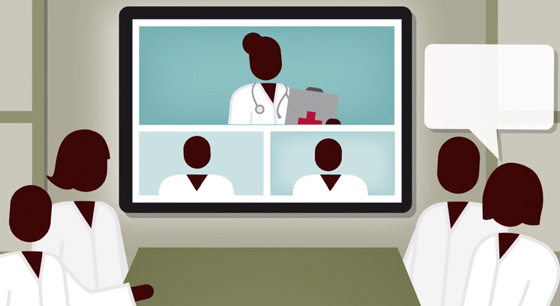
What is ECHO?
Our UW LEND ECHO programs provide telementoring to providers in our state in the diagnosis and treatment of autism spectrum disorder and other developmental disabilities.
IHDD: Getting Here
The IHDD is located directly behind the University of Washington Medical Center (UWMC) at the south end of the UW campus in Seattle, Washington.
Street Address:
1701 NE Columbia Rd
University of Washington
Seattle, WA 98195-7920
Link for full directions, parking, maps and transit information.
Link to Google Maps.