

Overview
The University of Washington Superfund Research Program (SRP) was an interdisciplinary program that conducted and communicated research on the impacts of metal neurotoxicity on human and ecological health, focusing on metals that commonly occur at Superfund hazardous waste sites.
The UW Superfund Research Program was active from 1986 to 2023. This website is a repository of community resources, fact sheets, policy briefs and webinars developed by SRP until its closure in March 2023.
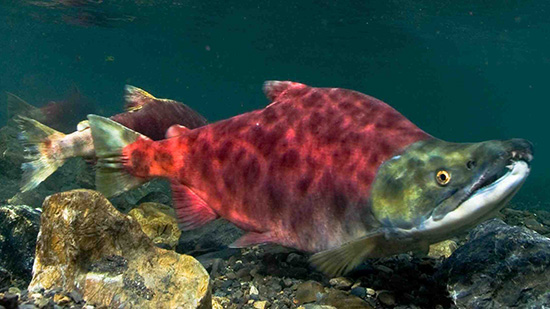
Project 1: Mechanisms and biomarkers of metal olfactory injury in salmon
Salmon rely on smell to survive. Research shows that exposure to metals like cadmium impair that sense, threatening salmon survival.
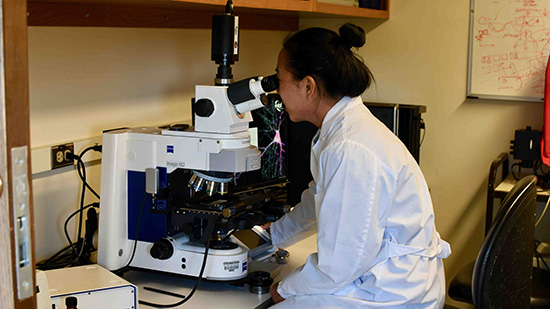
Project 2: Cellular and Molecular Mechanisms of Cadmium Neurotoxicity
Exposing mice to cadmium to generate blood levels similar to those found in the general human population resulted in cognitive impairment.
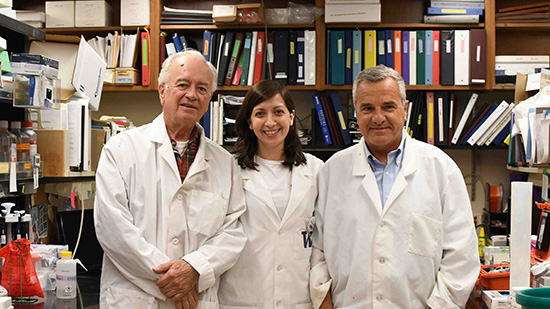
Project 3: Role of Paraoxonases (PONs) in Modulating Cadmium and Manganese Neurotoxicity
People respond to contaminant exposures in different ways, depending, in part, on the levels of protective enzymes that they produce.
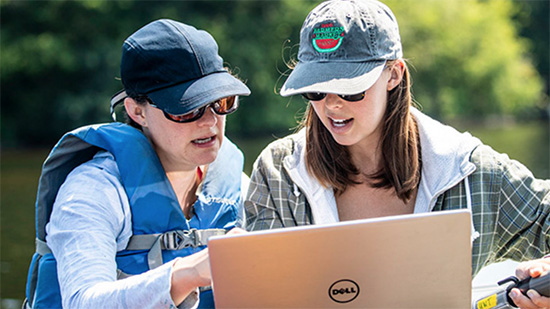
Project 4: Arsenic in Shallow Unstratified and Seasonally Stratified Urban Lakes: Mobility, Bioaccumulation and Ecological Toxicity
Contaminated shallow lakes have more arsenic in their water than contaminated deeper lakes, meaning higher risk for humans.
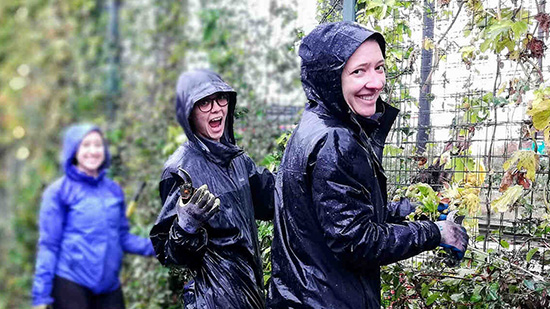
Community Engagement Core
UW SRP's Community Engagement Core built capacity and connections.
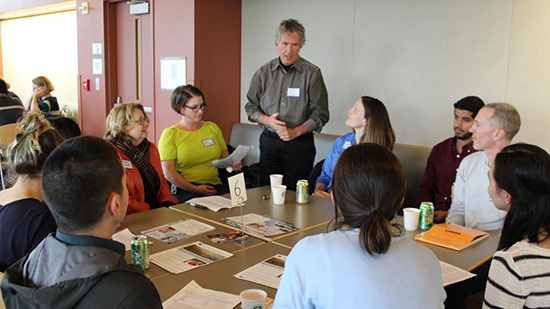
Research Translation Core
UW SRP's Research Translation Core communicated research to stakeholders & transferred technology to other institutions.