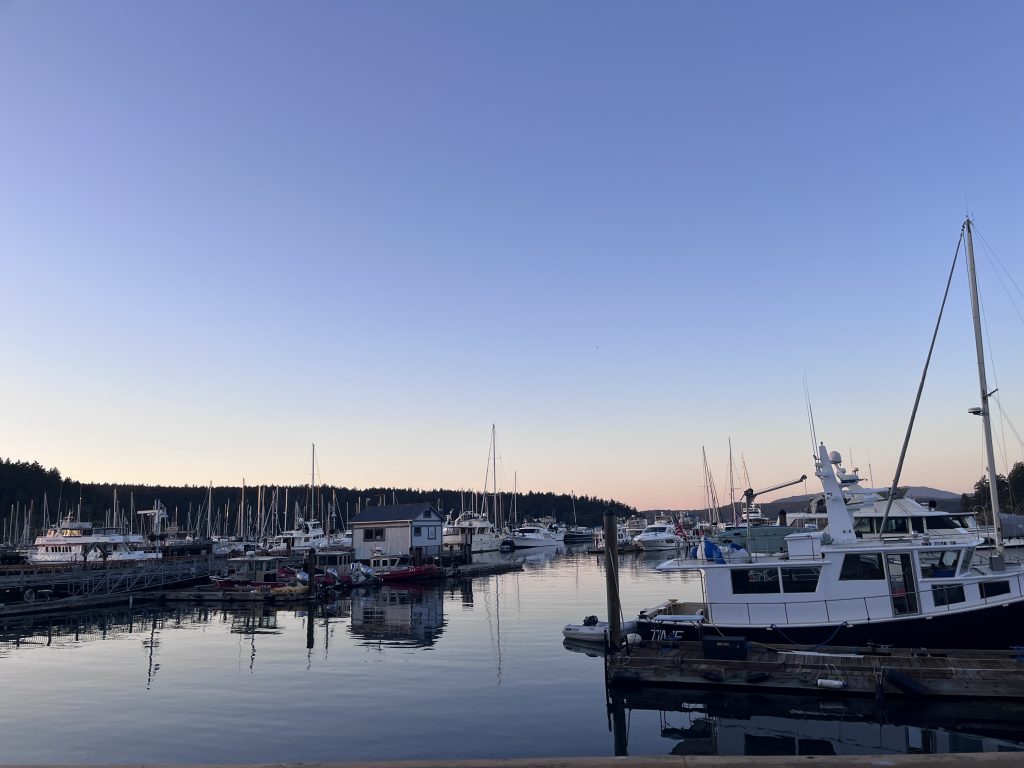
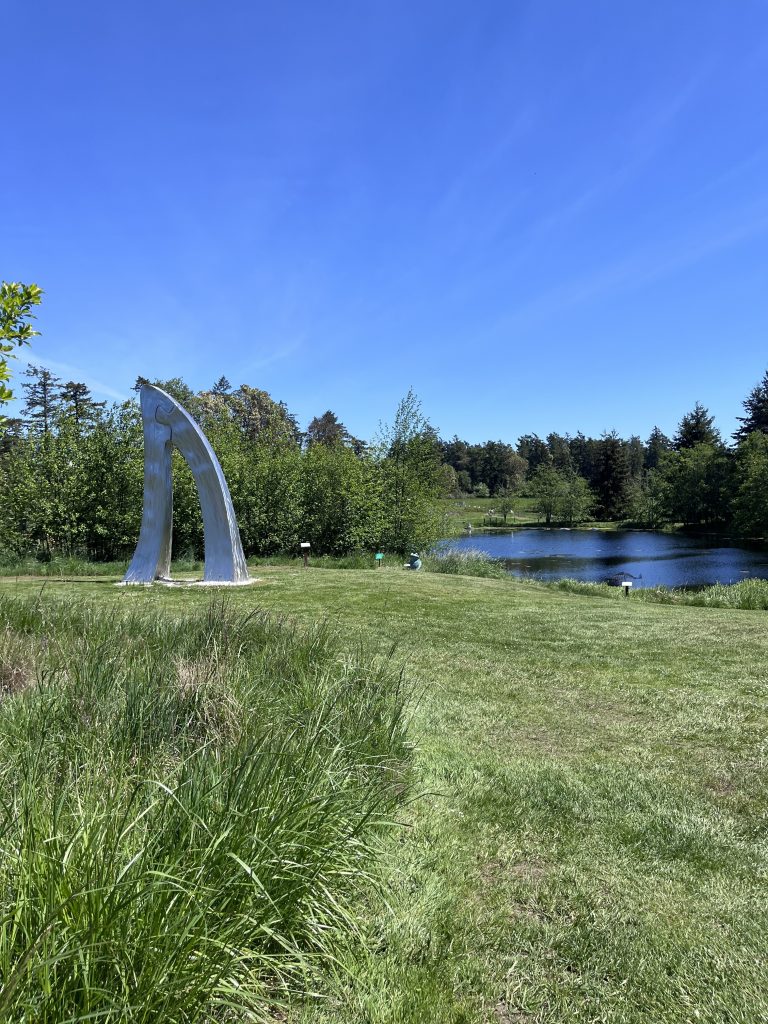
We’re excited to introduce Yearbook, a new blog series that celebrates the inspiring community-based research led by our students and researchers. Each feature will share stories of collaboration, creativity, and impact, showing how research connects with real people and places. To kick things off, we’re highlighting two graduate students: Amelia, who is exploring how communities use data and technology to advance climate justice, and Maren, who is working alongside mining communities in rural Brazil to address pressing public health needs. Yearbook is our way of honoring the people behind the projects and the communities shaping meaningful change.
Category: Blog
Archives, Human Rights, and Communities
Last week, I had the privilege of attending the Society of American Archivists (SAA) Annual Meeting 2025 in Anaheim, California. The SAA conference is the largest gathering of archivists, records managers, and memory workers in the United States, and this was my very first time participating. My attendance was made possible through the Faculty Organizing for Community Archives Support (FOCAS) Project, funded by the Mellon Foundation. Alongside Itza Carbajal and four MLIS students from the first cohort of FOCAS interns, I spent four days in Anaheim engaging in conference sessions, connecting with peers, and visiting local communities. I also had the opportunity to present a poster on Mapping Human Rights Archives.
I am interested in how human rights archives were formed and used around the world, and as I am doing my literature review, I decided to organize these archives into a map. Broadly, I looked at various institutions that manage records of human rights violations, usually committed by state governments. So far, I have mapped 72 archives held by various institutions and communities. Three lessons that I shared in my poster presentation is that one, provenance or the origin of the records are very important to understand the political nature of human rights archives (such as the Stasi Archives). Second, is that international cooperation and partnerships are crucial and saving human rights archives (as seen in the case of the Marshall Islands Nuclear Claims Tribunal Archives). And lastly, since human rights archives are highly political, their progress are dialectical, or continuously being challenged (such as the case of the National Police Archives in Guatemala).
It was inspiring to exchange ideas with colleagues who are also grappling with questions of memory, power, and justice.

Beyond the conference, the FOCAS Project arranged site visits to local community archives in Orange County. We began with a walking tour of Little Saigon, the largest Vietnamese American community in the United States. Led by Prof. Thuy Vo Dang, co-author of A People’s Guide to Orange County, the tour showcased how Vietnamese immigrants built thriving businesses and institutions despite the challenges of racial discrimination. Walking along Bolsa Avenue in Westminster, I was struck by how every shop and restaurant carried stories of resilience across first, second, and multiple generations.

Later, we visited La Historia Society Museum in El Monte, which highlights the history of Mexican American families in the city. Unlike the well-funded El Monte Historical Museum located just a block away, La Historia amplifies voices and stories that are often excluded from mainstream narratives. Interns and volunteers preserve oral histories, photographs, and memorabilia—many connected to families who served in the U.S. Army. With the support of the FOCAS Project, MLIS interns from UCLA gained invaluable experience working with these community-driven collections.

Attending SAA 2025 and participating in these community visits gave me a deeper appreciation of the many ways archives can shape collective memory. Whether in global struggles for human rights or local efforts to document immigrant experiences, archives are not just repositories of the past but are living sites of contestation, resilience, and hope. The conference affirmed for me that archival work must remain attentive to issues of provenance, power, and access, while also building solidarity across institutions and communities.
Wait? What are Summer Schools?

This past month in July, I had the chane to attend the Diverse Intelligences Summer Institute (DISI) in St Andrews, Scotland. Frankly, I had seen an email that the program had extended their application deadline and had no significant summer plans, so I decided to apply. I wasn’t exactly sure what the program entailed beyond the public website, and I hadn’t met anyone who had done the program. The theme this year was AI and Nature, which my research largely centers around, especially since I recently published a paper on how AI developers for sustainability think about their work in contrast to the views of climate and environmental advocates. Generously, I was accepted into DISI and was given a travel grant allowing me to attend.
Then I went. It was a whirlwind of programming from 9-5 almost every day. We had visiting faculty from around the world who lectured on topics from complexity science to how drawing works as a cognitive tool to large scale replications of animal and children studies. Some of the topics were waayyy out of my wheelhouse, I haven’t given much thought to P vs NP problems since the early years of my undergraduate education. Even more so, I didn’t know anything about canine and button communication beyond TikTok videos. These lectures were also supplemented with optional seminar sections.
Beyond just the lecturers, there were about fifty early-career academic fellows from early graduate students to postdocs to those starting their professorships in just months. The fellows I met were amazing, largely many of the fellows studied cognitive science, artificial intelligence, and animal cognition. I met people who ordered wooden study apparatuses for their baby subjects, people who sit in zoos with bonobos, and people who travel into the field to take bat recordings. This was a very different environment than with people in RiC who often work in areas similar(ish) to me doing community engaged work. Outside of the academic fellows, there were also artistic fellows who did work like photography, science communication, and sustainable fashion who attended DISI.
In human-computer interaction, my field, summer schools are not as common, so it was fascinating to be able to attend one, even if it pushed me academically well beyond my comfort zone. Towards the end of DISI, the main goal was to create and complete a sprint interdisciplinary project. With five other fellows, we managed to put together some sort of project that involved fairytales, wolves, and NLP.
Beyond just the academic part of the summer, it was refreshing to be outside of the US academic environment right now. DISI is in St Andrews, Scotland, the birthplace of golf, as the many Americans in the pubs will remind you. Moreso, the summer days in Scotland are long and perhaps the most rewarding part was being able to have long walks on the various beaches in St Andrews.