Donald Trump has made it clear that he wants to put “America First” according to Steve Bannon’s philosophy of “economic nationalism.” The devil turns out to be in the detail: “How” to put America first?
One approach is to slap trade barriers on the competition. Boeing recently rejoiced when the administration imposed a 300% tariff on Canadian Bombarier’s planes. Interestingly, Bombardier was making small planes of the type that Boeing does not even produce — so the competition argument for protection was a fictitious red herring (Boeing’s single-aisle 737 plane is not a direct competitor). Also, the “America First” mantra quickly questioned by US airlines, which complained that such a tariff was preposterous since they could not by similar planes on the US market. Delta Airlines was stunned as it had just agreed to purchase a lot of Bombardier planes whose price had just tripped.
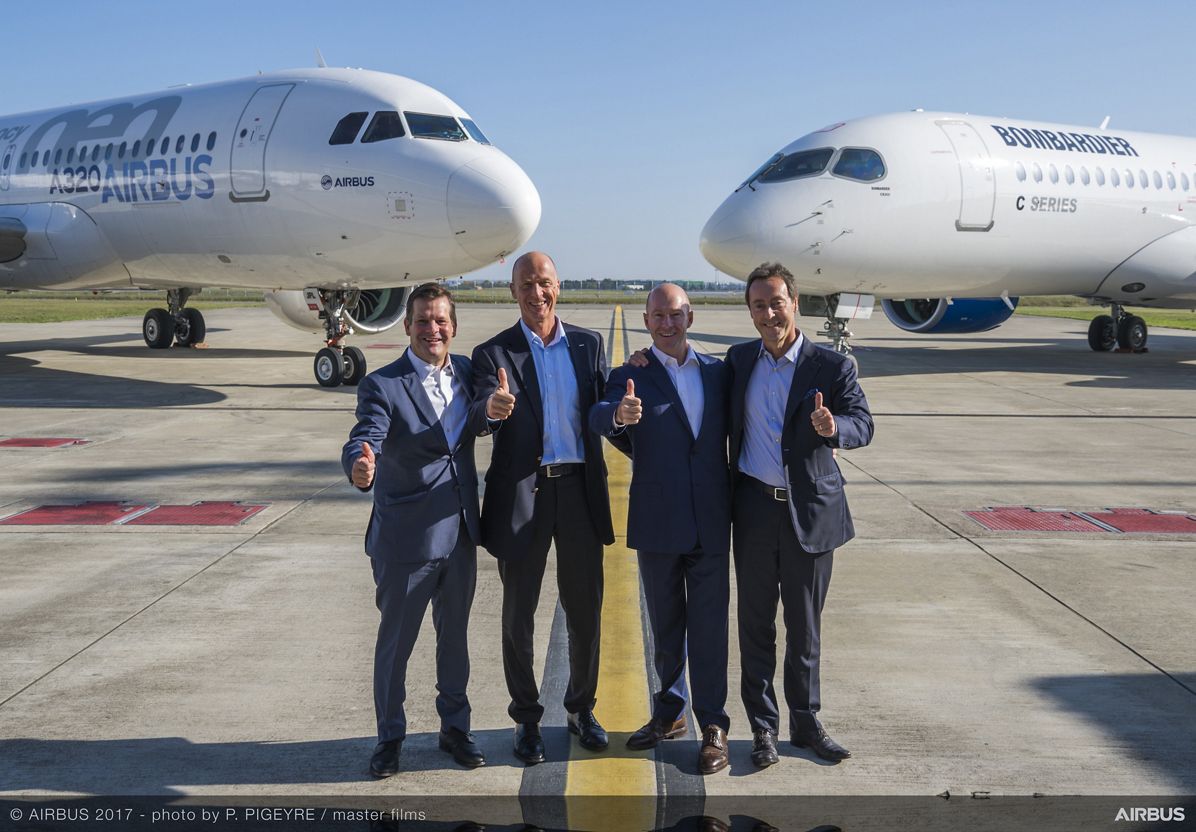
The Delta CEO thought the tariff in front of Bombariers bow would just be the opening gambit and stated that “we don’t believe that will be the end of the story.” He was right, it was not. It came even worse US economic nationalists: instead of selling only a few planes globally, as planned, Bombardier folded, sold its blueprints to Airbus, which will now be producing 1000s of Bombardiers planes globally, some in the US to sell to the US market. Was Boeing/Trump really expecting the global economy would take their affront and roll over? The law of unintended consequences struck again, as it usually does when mindless, quick solutions to thorny competitiveness problems create nothing but problems.