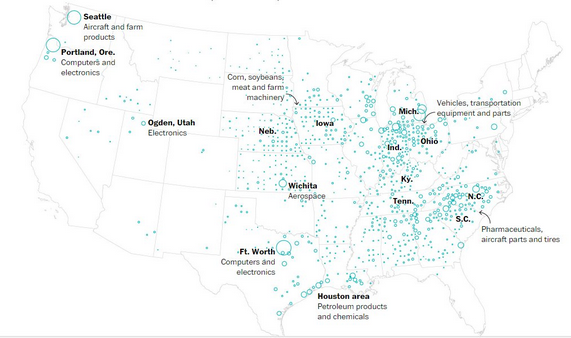
Source: @NickTimiraos, @josephncohen;

Source: @NickTimiraos, @josephncohen;
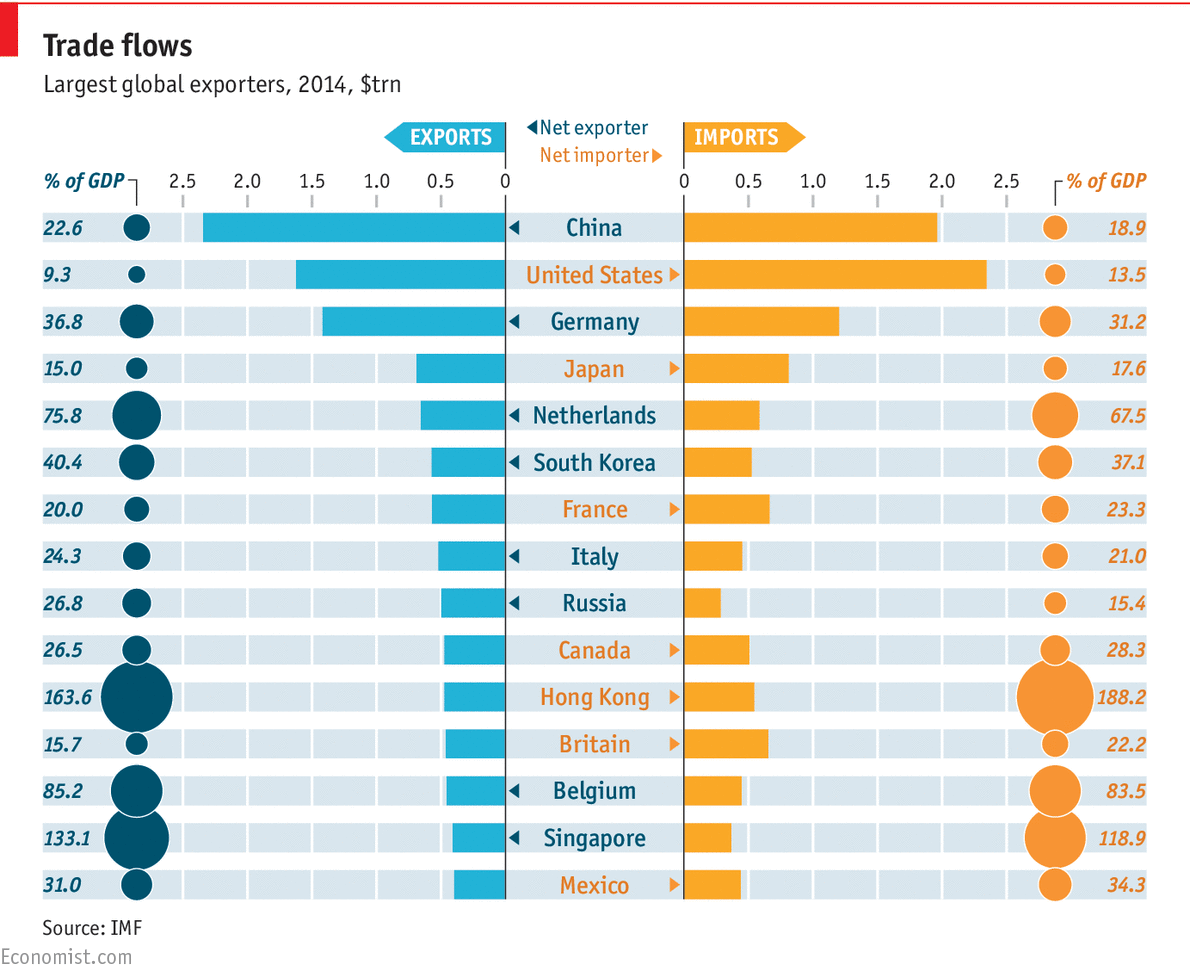
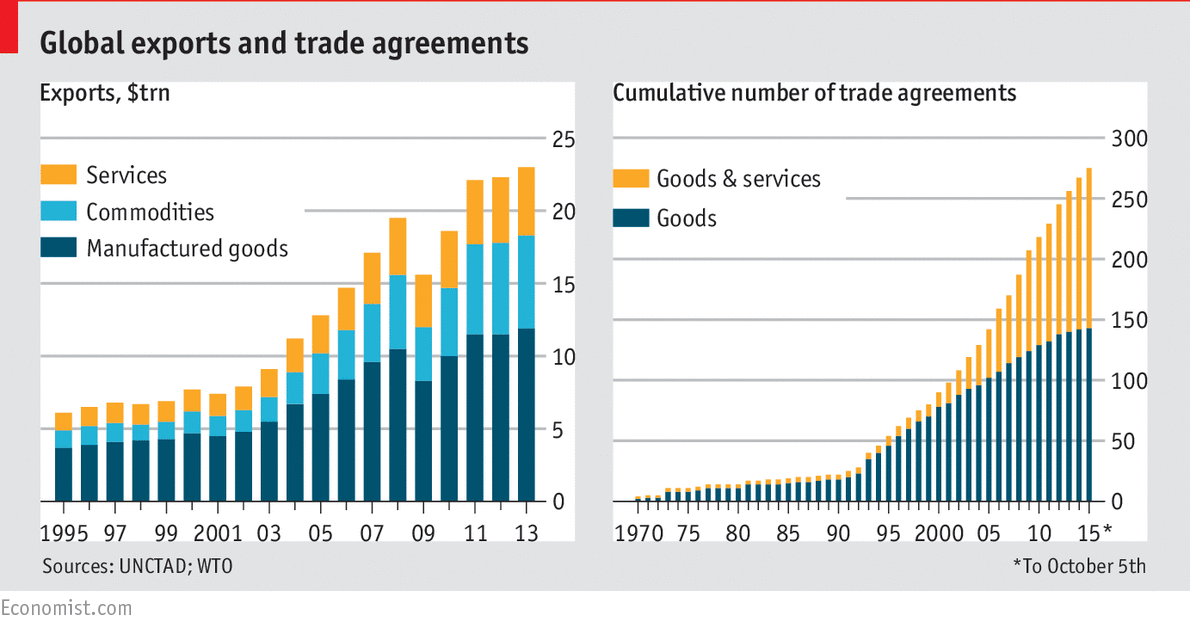
As previously covered in the blog (link), the WTO issued a ruling in the Solar Panel War. The verdict is that the US improperly imposed tariffs on Chinese steel and solar panels (link). The US had argued it had to impose tariffs to combat artificially low prices on products from India and China's state-subsidised industries. Dont hold your breath. The Solar Panel War is not over since the US can still appeal.
Who benefits in the US, in China/India and what does that mean for pollution and global welfare? Use all relevant trade theories to support your answer.

The economic effects of NAFTA are still being examined in the US
– John McLaren & Shushanik Hakobyan
– Council on Foreign Relations
– Peterson Institute for International Economics