
A deal is better than no deal, but what are the terms? Here is an old surgeon's saying for you: "operation successful, but the patient died."
The Eurozone has agreed out package and the Economist Magazine ran the numbers. The cost of Greek financial survival is negative GDP growth for for the next 5 years, an increase in its Debt/Equity ratio from 113% to 152(!) percent. The Eurozone thinks all that's needed is Euro 25billion, but the Economist Magazine calculates the cost to be at least three times as high. How can estimates differ so sharply? Easy, the assumptions on how markets will react to the deal and how high the Greek interest rates will soar as the Greece's debt to equity ratio explodes.
The deal is a good exercise to use the Mundell Fleming model with fixed exchange rates to predict interest rates and output in Greece as it reduces its budget deficit from 12% to 2% of GDP. Don't forget about endogenous Risk, R, in the Financial Account!
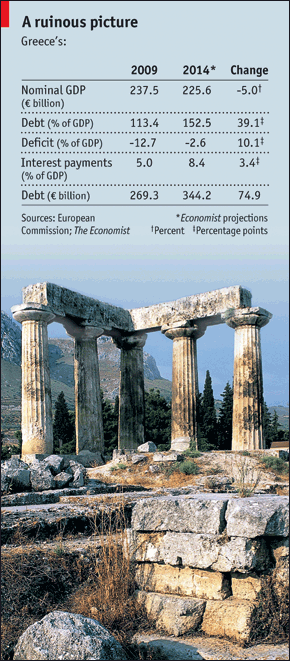
Source: Economist