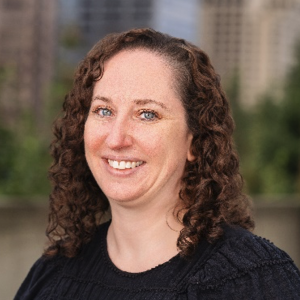
What drew you to this work?
As a trauma surgeon at busy trauma center, I take care of individuals whose lives are forever changed by gun violence every day. And every time, I am struck by how these uniformly life changing, and at times truly devastating, injuries are preventable. I am also aware that even for those who we can save, life after discharge from the hospital is anything but easy; oftentimes plagued by new physical and mental health challenges, difficulty reintegrating back into society, financial struggles, high likelihood of repeat injury, and poor overall quality of life. I got to a point where I felt that medically and surgically treating patients and then discharging them from the hospital without viable strategies for how to stay safe, take care of themselves, and get back up on their feet, just wasn’t enough. I wanted to figure out how we could do better by these patients, their families and their communities. With this spirit I founded the Violence Intervention and Prevention Program at Harborview Medical Center, and I am so grateful for the opportunity to build the program over the last few years and for each of our vibrant and dedicated team members who make the program what it is today.

Why is this work important to you?
After working for over a decade as a clinical social worker in the Emergency Department at Harborview, I welcomed the opportunity to help create and manage a program that serves trauma patients and their loved ones throughout their recovery. I am incredibly proud of the compassionate care and advocacy that our team provides, and the lives they touch every day. This program is the first of its kind in Washington state, and the impact of this work, not only on individual patients but the communities they are a part of, creates a ripple of healing that stretches far beyond the hospital.

How does your role support patients and their supporters impacted by gun injury?
My role supports patients and those impacted by gunshot wound injuries by assessing patients’ needs and triaging to the appropriate resources. I provide active and empathetic listening and am a consistent and reliable professional that can bridge patients back to their follow-up appointments and hospital-related healthcare needs

How does your role support patients and their supporters impacted by gun injury?
My role centers on comprehensive needs assessments, evaluating and allocating resources where they’re most beneficial. In the face of unknowns, my instincts and experience often guide my decisions. I offer bedside support for patients, serving as a link between them and medical staff, and providing daily comfort and companionship. I assess their needs and arrange for essentials, allowing patients to focus on recovery. Gun violence affects more than just the immediate victim; it ripples through the lives of everyone who loves them. The emotions can be overwhelming. By providing essentials like food, clothing, and gratitude journals for patients and their loved ones, I help lift the daily burdens that might otherwise feel insurmountable. As an Intervention and Prevention Specialist, my mission is to ensure that every person feels cared for—through compassion, empathy, and a deep understanding of their journey.
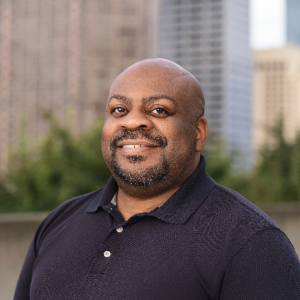
What drew you to this work?
I’ve grown up in the Seattle all my life, and I’ve seen how gun violence has affected the community. As a former patient that has been a victim of gun violence, my goal has always been to give back. I'm driven by a passion of wanting to see everyone have a safe discharge, healthy recovery, and continue to show back up for follow up appointments to let us know how things are going post discharge. It’s important to highlight the many avenues of help that goes into this work that are often overlooked or rarely seen especially the work to bridging the gap when it comes to health care and patients affected by gun violence.
How does your role support patients and their supporters impacted by gun injury?
As the Resource Navigator, I work very closely with our team’s Violence Intervention and Prevention Specialists, as well as the team Social Worker with victims in both an inpatient and outpatient setting. I help victims of gun violence and their families/supporters apply for relevant benefits and compensation they may eligible for, organize transportation to critical follow up medical appointments, and identify individualized resources locally that may help patients address social determinants of health that may have suffered as a result of the crime/injury they endured, or already been lacking prior to injury with the ultimate goal of helping victims post-trauma find the most relevant resources available that can lead to healing, restore self-confidence and hope for their future, and carve a path toward lifting them out of the systems that keep them in poverty and lacking true self sufficiency.

How does your role support patients and their supporters impacted by gun injury?
As the Administrative Assistant on our team, I play a vital behind-the-scenes role in supporting patients and their loved ones affected by gun violence. While I don’t work directly with patients, many of my colleagues do — and my job is to make sure they have everything they need to serve those patients effectively. Whether it’s coordinating logistics, providing resources, or responding to urgent requests, I also help ensure that the needs of patients and their families are met. This allows our team to focus fully on care and advocacy, and gives survivors the space to concentrate on healing. My work helps create a stable, responsive environment where patients and their supporters feel seen, supported, and prioritized.