Assessment and Research
FUNCTION: Assessment and Research at the Office of Minority Affairs & Diversity (AROMAD) provides data/assessment services in relation to federal(NIH, NSF, US Dept. Ed…) , state, private, grant and gift proposals, annual performance reports within OMAD and select campus units. We also process and produce organized information to help staff/faculty with better decision making in day-to-day operations, planning, and future policy formation and practice. All operations are aimed at maintaining and enhancing performance and opportunities for our underrepresented, low-income, first-generation and other underserved students.
HISTORY:
1) Assessment and Research at the Office of Minority Affairs & Diversity (AROMAD) was created and organized by Gene Kim, Arlyn Arquiza, and Candy Kamekona on 2014/2015, when Gene was appointed as the first ever full-time Director of Assessment and Research in OMAD from his previous role of running the TRIO McNair Scholars Program and Early Identification Program.
2) Change in philosophy and practice:
-
-
- The 3 primary goals of the team were: 1)To have all of OMAD recognize AROMAD as the assessment/research/data unit rather than scattered individuals in different programs doing things part-time at the spur of the moment; 2)To bring the new team out of the 1980s/90s “point and click” technology and finally modernize and automate highly complex and high volume tasks via programming languages to enhance speed and accuracy; 3) Greater emphasis on automating the cleaning and storing of data to ensure more accurate and reliable scaling and analysis.
- The 3 primary goals of the team were: 1)To have all of OMAD recognize AROMAD as the assessment/research/data unit rather than scattered individuals in different programs doing things part-time at the spur of the moment; 2)To bring the new team out of the 1980s/90s “point and click” technology and finally modernize and automate highly complex and high volume tasks via programming languages to enhance speed and accuracy; 3) Greater emphasis on automating the cleaning and storing of data to ensure more accurate and reliable scaling and analysis.
-
-
-
- The new team was introduced to broader yet standardized vocabularies, concepts, and procedures for more consistent, reliable, speedy and accurate delivery of data/assessment requests/projects(ex. mutual respect, preparation, planning, standardization, interchangeable parts, uniform operational definitions, collective action).
-
-
-
- Carefully structured project calendar and project planning meetings with specific deadlines and checkpoints were implemented to eliminate constant state of panic, chaos, confusion, and mismanagement of projects/diffusion of responsibility after year 2015.
-
-
-
- To put above objectives in motion, Gene introduced 3 programming languages (JUPYTER: Julia, Python, and R). These high level languages can be easily maintained/sustained and enhanced with “interchangeable parts” which could be integrated in one algorithm and/or be utilized as overlapping safeguards in case one programming language model or system breaks/fails. The selection of these languages were based on Gene’s previous experiences in S-Plus and “((((XLispStat))))” programming languages during his days at the University of Wisconsin-Madison.
-
3) The AROMAD became a constantly learning and flexible unit to deliberately and consciously approach problems with open mind and humility to provide the most efficient and effective problem solutions for our OMAD clients.
Data Requests: Data Requests are reserved for full time Office of Minority Affairs & Diversity staff members only. To request data, please email: genekim@uw.edu or aromad@uw.edu
Physical Location:
Box 352803
Mary Gates Hall 171C
University of Washington
Seattle, WA 98195-2803
Phone: 206-221-2944
Team Members
Contact: aromad@uw.edu

Gene Kim, Ph.D./김 진
Director of Assessment and Research at OMAD
Current Programming Languages: Python, R, Julia, and SQL
Data Workshops: http://depts.washington.edu/aromad/data-workshops/
Guest Faculty of Data Science (University of Washington Information School: When available)
Adjunct Faculty of Assessment and Evaluation (University of Washington College of Education: When available)
Education:
Postdoc 1999-2001, University of Wisconsin-Madison School of Education (Automating cleaning, analyzing, and storing student data & fiscal data via various programming languages)
Ph.D. Education 1999, University of Wisconsin-Madison
MS Counseling 1995, University of Wisconsin-Madison
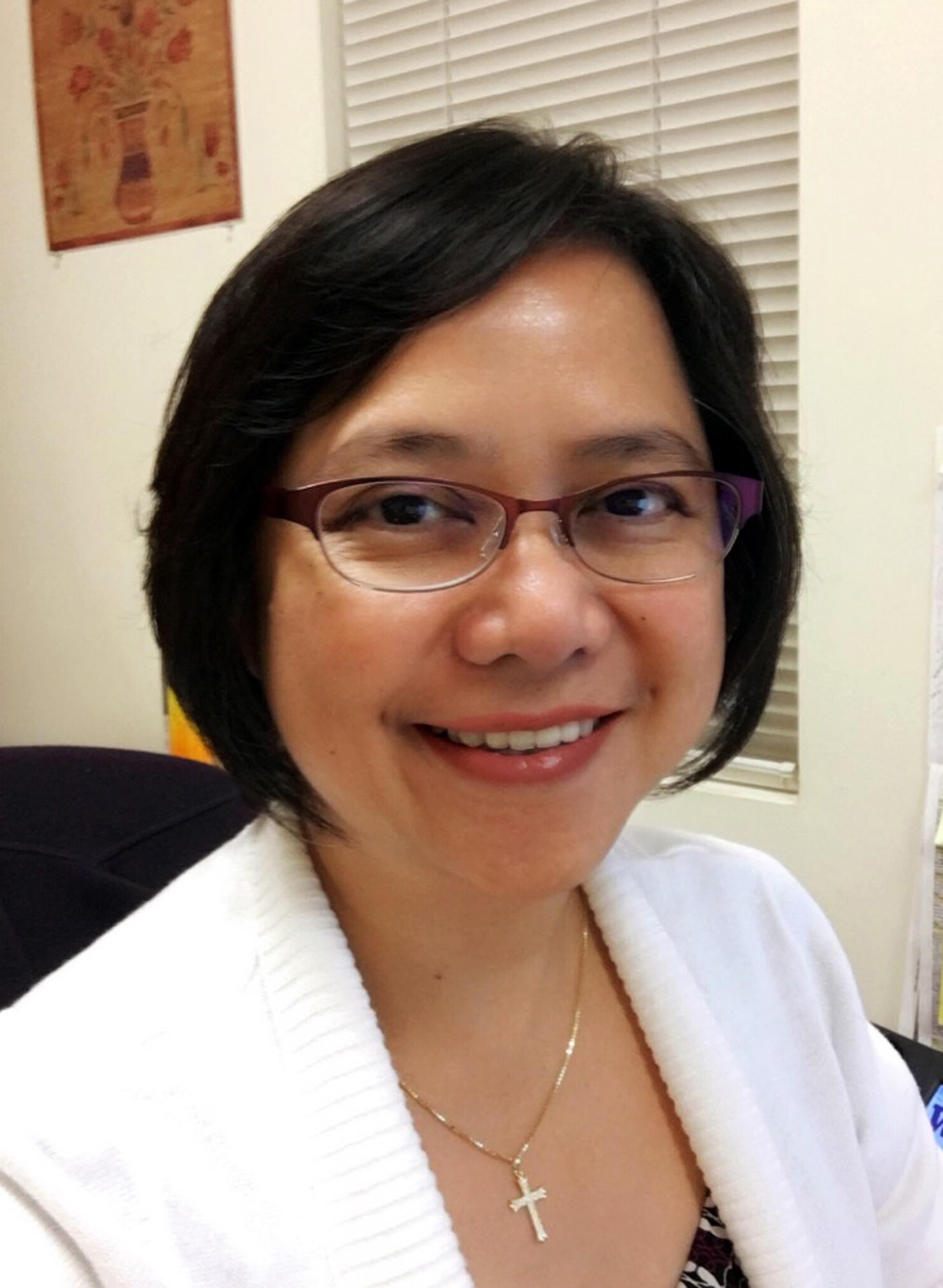
Arlyn Arquiza
Senior Computer Specialist (Senior OMAD Data Analyst)
Education:
BS Computer Engineering, Polytechnic University of the Philippines
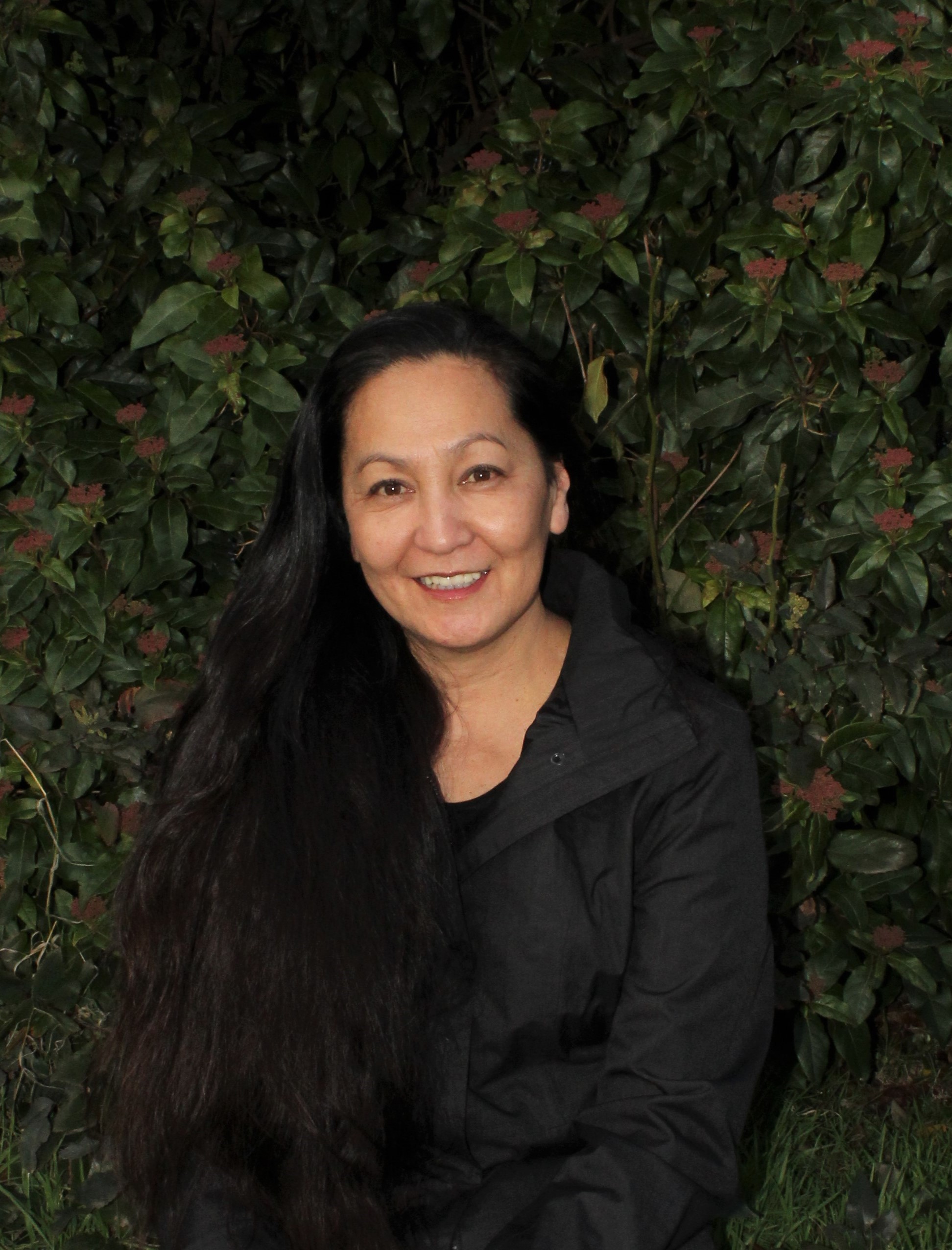
Candy Y. Kamekona
Data Analyst
Education:
BA Psychology University of Washington