VOLUME 13, ISSUE 5 | MAY 2026

Plant Practice exhibition runs May 227


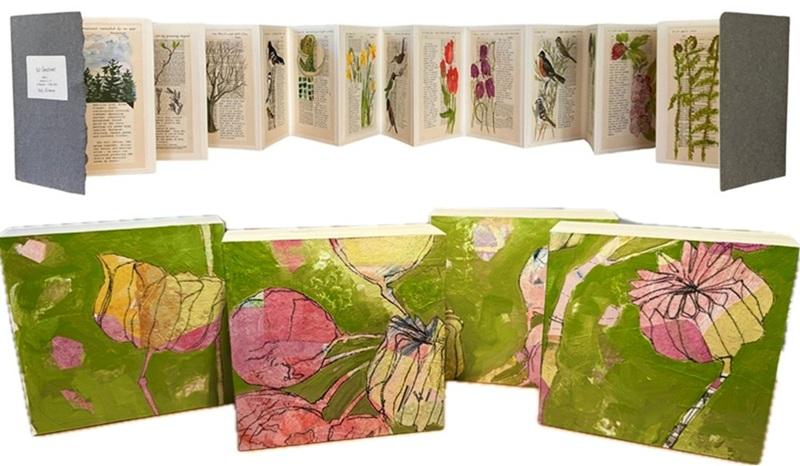
The Miller Library is excited to welcome artists Martha Makosky and Katy Gilmore to display their work in a joint exhibition, Plant Practice, which will be open to the public during regular library hours from May 2 to 27. We will host a Meet the Artists event on Saturday, May 9 from 1 to 3 pm.


Martha Makosky is a visual artist whose work is shaped by a childhood spent in tropical Southeast Asia—and an appreciation for the region's nature, art, and textiles—followed by three decades living in the temperate Puget Sound. The mixed-media works presented in Plant Practice begin with collage papers hand-printed using stencil, transfer, and relief techniques. Botanical forms are drawn over this ground. Martha then paints over the collage or paints the forms, sometimes sanding and layering again, to build combinations of backgrounds with ghosted textures and focal features, bridging observed nature and abstract surface.


For her third exhibition at the Miller Library, Katy Gilmore presents her project tracing a Northwest year using the Japanese concept of 72 micro-seasons a year, rather than just four. With a page of words and images recording each five-day season, she forms large accordion fold books to display. Gilmore will also offer monoprints of individual flowers and “Flower Pages” – flower images painted on deaccessioned gardening encyclopedia pages.

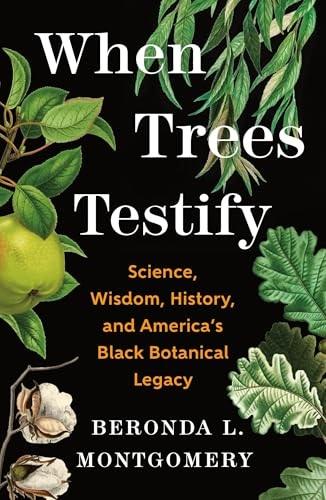
When Trees Testify, by Beronda L. Montgomery


REVIEWED BY PRISCILLA GRUNDY


The lynching tree looms over the testimonies in this volume. As Beronda Montgomery presents botanical information, personal history, and American history relating to Black Americans, she seeks to begin a process of healing the wounds that have separated Black Americans from nature and agriculture, using the prism of trees. It’s worth noting that “testify” can mean not only a legal action but also testifying in church, which includes praise, personal narrative, and encouragement of others.

Each chapter discusses a different tree. Although many species bear ties to lynching, the poplar has received most attention. Particularly touching is Montgomery’s account of her response to unexpectedly seeing a picture of a noose. At a botanists’ conference she attended, someone posted the picture with a warning about what would happen if anyone spoke longer than their allotted time. Montgomery was so affected she stopped hearing anything said that morning or focusing on anyone there. The wounds are deep.


The chapter on the willow follows a typical pattern in the book. Montgomery tells of her delight in hiding under overhanging willow branches as a child. Next she provides information about the trees’ botanical properties and medicinal uses. She connects willows to her family when she learns of a memorial willow and its desecration in Elaine, Arkansas. Her late grandfather was five years old, living in Elaine in September 1919, when hundreds of Blacks were massacred there. The willow had been planted to keep alive the memory of that horror. Montgomery travels to Elaine, then describes the good times she had with her grandfather there and wonders what he might have remembered about that terrifying day and never mentioned.


In When Trees Testify, the author skillfully gathers many threads of these connections between trees, Black Americans, and the often cruel world around them.


Lynda Mapes Book Event


Please welcome Seattle journalist and author Lynda Mapes to the Arboretum for a discussion and slide show about her new book The Trees Are Speaking: Dispatches from the Salmon Forests. The event will conclude with a book signing. 


Tuesday, June 2, 2026, 7:00 to 8:30pm

Graham Visitors Center, Washington Park Arboretum

RSVP HERE


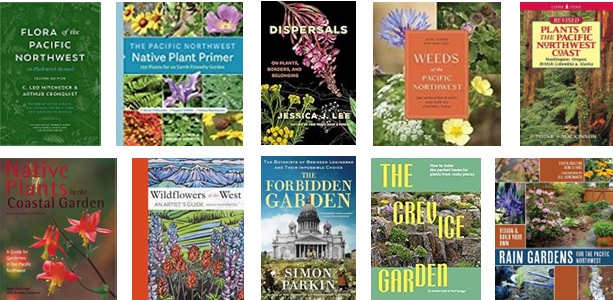
Trendy Ten: Readers' Favorite Books of the Past Year


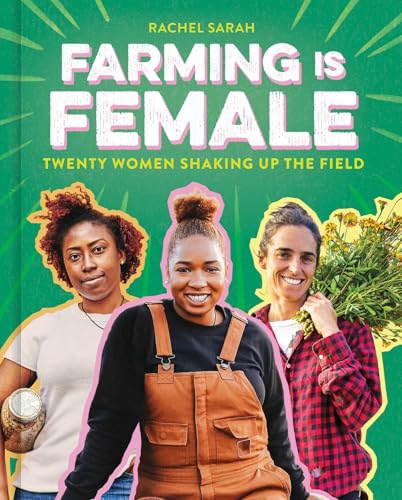
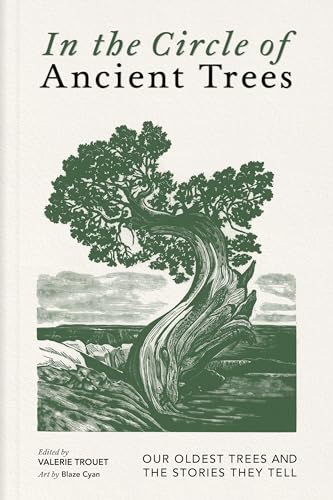
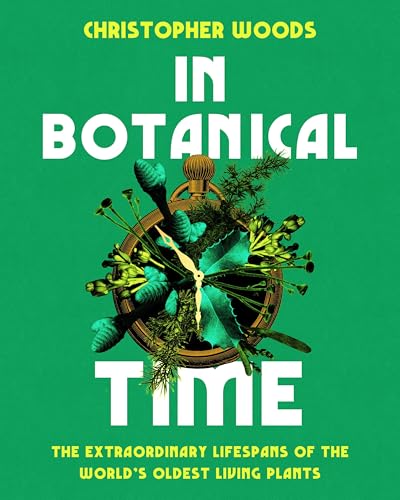
Each spring, we look at what readers are borrowing, gaining insight into how our collections are used. Books on Northwest native plants, rock gardens, rain gardens, and botanical history have all been popular. Below are Miller Library borrowers’ favorites over the past year. Take a tip from fellow readers and check them out!


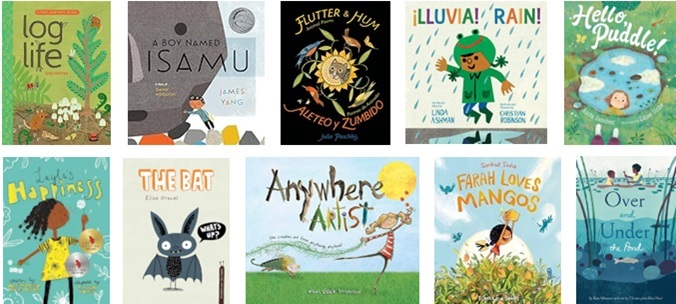
Trendy Ten Junior: Young Readers' Favorite Books


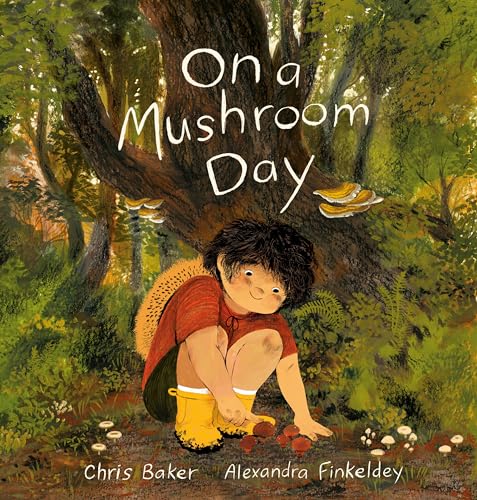
What do families and teachers borrow from the Miller Library now? Here are the top ten Youth Collection books since April 2025:


Urban Horticulture in the Spotlight


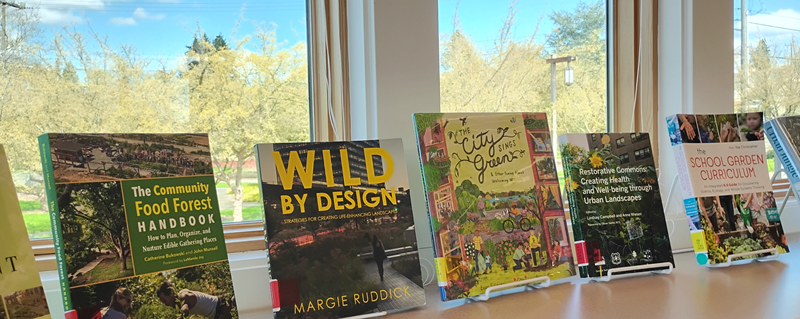
The Miller Library is located at the Center for Urban Horticulture in Seattle, and now through mid-June, we are featuring resources for urban horticulture in the cozy corner of the library near our journal display area (pictured above).


What is urban horticulture all about? Cultivated landscapes make life better in cities around the world. Urban horticulture matters in everything we do for a greener Seattle. Whether your projects include sustainable design, food security, outdoor education, urban soils, or the value of green spaces for human health, our display offers an array of relevant resources ready for you to borrow. Just grab up to three titles and bring them to the librarian for check out.


Ask a Librarian


The Miller Library's Plant Answer Line provides quick answers to gardening questions. You can reach the reference staff at 206-UWPLANT (206-897-5268), hortlib@uw.edu, or from our website, www.millerlibrary.org.


Digital Resources

Book Review Archive

Plant Sales | Garden Tours

Periodicals

New to the Library
(click above link to see all 26 titles)

Facebook  Instagram

LIBRARY HOME | CATALOG | EVENTS

© 2026 Elisabeth C. Miller Library