Wylie Burke Endowed Scholarship - Now open!

The Wylie Burke Endowed Scholarship supports UW graduate and undergraduate students studying the social, ethical, and policy dimensions of health research and healthcare. Preference is given to students affiliated with the Department of Bioethics & Humanities, although students from other UW departments are eligible. Awarded annually, the $1,000 one-year scholarship may be used toward tuition, books, fees, travel to professional meetings, or other educational expenses. This scholarship opportunity is open to all eligible students regardless of race, sex, or other identity.

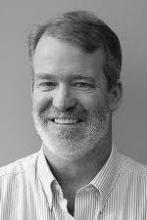
This scholarship honors Wylie Burke, MD, PhD who is Professor Emeritus and served as Chair of the Department of Bioethics & Humanities from 2000–2014. She led the Center for Genomics and Healthcare Equality for a decade, advancing efforts to ensure that developments in genomic science benefit all sectors of society, particularly communities experiencing health disparities. Central to her work has been a commitment to community engagement, inclusive partnerships, and creating meaningful learning opportunities for students, faculty, and community collaborators, including long-standing relationships with Native American and Alaska Native communities. By supporting students studying the social, ethical, and policy dimensions of health research and healthcare, this scholarship reflects Dr. Burke’s belief in education and collaborative research as pathways to meaningful change.

The 2026 application cycle is now open, apply by June 5, 2026

“White Trauma: Creating Space for White People’s Vulnerability with The Hopes of Undoing the Perpetuation of Structural/Systemic Racism" | HMC Ethics November Forum

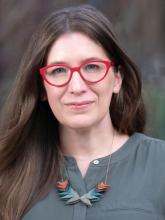
Please join us on Wednesday, November 13th at 12pm with Sherronda Jamerson.

Sherronda Jamerson presents how racism, at its most basic level, is a lens though which people interpret, naturalize, and reproduce inequality. She explains that racism is not a “white” issue it is a systematic/structural issue designed to keep in place white cultural dominance. Learn why this system has caused harm to us all.

OBJECTIVES:

1) Maintaining openness and moving forward.

2) Learn how trauma and stress can invade the body and skew perception.  

Building Bridges: Uniting Permanent Supportive Housing, Healthcare, and Social Services for Ethical Impact | HMC Ethics Forum

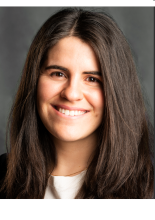
Huynh Chhor with long dark hair wearing a black top, standing indoors near a window.

Learn about what Plymouth Housing is doing to bridge efforts between the housing, healthcare and social services sector to better serve our unhoused community. Learn how structural changes made between these sectors can create greater ethical impact while improving health outcomes, quality of life, and equity.

Objectives:

1. Identify at least 3 major ethical concerns related to integration of health/behavioral health services in PSH.

Crowded Out: The Costs and Consequences of Crowdfunding Healthcare | Bioethics Grand Rounds

Please join the Bioethics and Humanities Department on Zoom for a Grand Rounds presentation by Nora Kenworthy, PhD: Crowded Out: The Costs and Consequences of Crowdfunding Healthcare. Dr. Kenworthy will summarize a decade of mixed-methods research on the use of crowdfunding for health care, highlighting core ethical issues with this increasingly popular strategy for helping pay for care.

Reproductive Bioethics: A Local and National Perspective | HMC Ethics Forum

Dr. Ryan with shoulder-length light brown hair wearing a dark top, posed against a plain background.

This presentation is an overview of timeless and emerging topics in reproductive bioethics, with a focus on topics in education and on recent challenges to patient autonomy and practice.

Objectives:

1. Define reproductive bioethics;

2. Describe unique ethical challenges in teaching and practice;

3. Review recent local and national bioethics cases.

About the Speaker:

The Ethics of Human Brain Organoids and Human-Animal Neural Chimeras Among U.S. Bioethicists and Public | Bioethics Grand Rounds

Medical research for neurological disorders has been limited by the fact that it is ethically difficult to experiment on live people’s brains.  In response, scientists have created small (4mm) pieces of human brains in a dish made from human stem calls to experiment upon called human brain organoids.  With the same motivation, there are now also animals that have had their brains “humanized” in various ways, result

Gun Violence Prevention: What Is Possible? | Harborview Ethics Forum

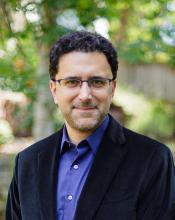
Dr. Rowhani-Rahbar wearing a dark blazer over a blue collared shirt, standing outdoors with greenery in the background.

Please join the Bioethics and Humanities department for a Harborview Ethics Forum presentation by Ali Rowhani-Rahbar, PhD: Gun Violence Prevention: What Is Possible?.

This presentation will summarize the scope of gun violence in the United States and review specific approaches with the greatest potential to prevent it and reduce its harmful consequences. Dr. Rowhani-Rahbar will describe the scope of gun violence in the United States and identify specific approaches with the greatest potential to prevent gun violence and reduce its harmful consequences.