College of the Environment | University of Washington Block W Logo
Library Home | Catalog | Calendar | College Home
Volume 5, Issue 5 | May 2018
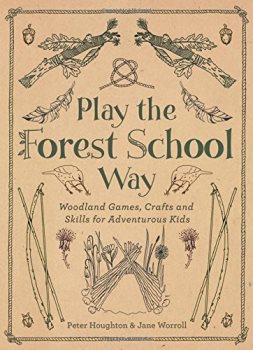
Play the Forest School Way
reviewed by Dorothy Crandell

Time in the woods refreshes your spirit and opens your mind. It cultivates appreciation, discovery, and possibilities.

In a woodland setting, Play the Forest School Way; woodland games, crafts and skills for adventurous kids offers hands-on learning experiences for a wide range of children from preschool to about 11 years of age. The Forest School philosophy strengthens confidence and builds self-esteem and social skills through connecting with nature. The movement developed in the 1990s was initially inspired by the play-based, nature-centered teaching of Scandinavia, known in Denmark as friluftsliv (‘free open-air life’). In addition, it draws on the learning theories of Rudolf Steiner and Maria Montessori, as well as British Scouting and Woodcraft Folk in the United Kingdom.

Chapters include Nature Explorers, Forest Arts, Survival Skills, and Wildlife Team Games. Inventive and fun activities include making a journey stick, traditionally made by Aboriginal people in Australia to record their travels and help retell their stories. Headdresses can be transformative. Creating natural headdresses from leaves, twigs, acorns, feathers and other finds relate to ceremonial headdresses such as those worn by ancient kings and queens or those worn at carnivals or other celebrations. Survival skills include essential knots, a prehistoric skill that is certainly still important today – even for tying one’s shoelaces, for example. Wildlife team games can be ice breakers, helping to build relationships, confidence, and a sense of belonging. The historical references throughout the book give an ancestral link to interacting with the environment.

Peter Houghton and Jane Worroll in the UK are particularly well qualified as authors of Play the Forest School Way. Peter is an artist in woodwork and other media as well as a leader of Forest School sessions. Jane has degrees in ecology and environmental conservation, and as a Countryside Ranger has managed habitat, monitored protected species, and led volunteers.

Play the Forest School Way helps to keep holistic learning in nature alive, reminding us anew about life experiences that are rooted in the real world.

Trends in borrowing: our 20 most-borrowed items
an annual feature by Laura Blumhagen
cover image cover image cover image cover image cover image cover image cover image cover image cover image cover image cover image cover image cover image cover image cover image cover image cover image cover image cover image cover image  
What are Miller Library borrowers reading this year? Each spring we look at the most popular items of the preceding 12 months, gaining insight into how our collections are used. As in past years, many of your favorite books are locally produced and about topics of special interest here in the Pacific Northwest. This year, interestingly, we see a greater range of special topics that are of global interest, including phytoremediation, meadow-style landscaping, food systems, and botanical illustration. Here are Miller Library borrowers' top picks this past year:

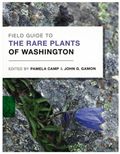
1. Field guide to the rare plants of Washington
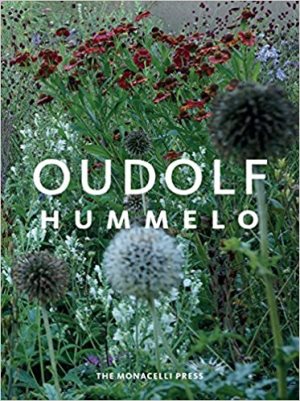
11. Oudolf, Hummelo
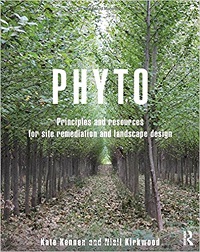
2. Phyto
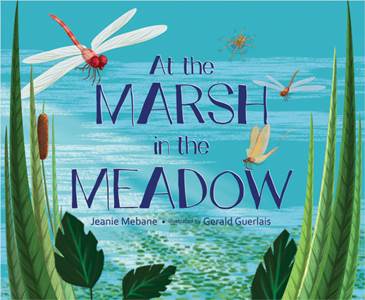
12. At the marsh in the meadow
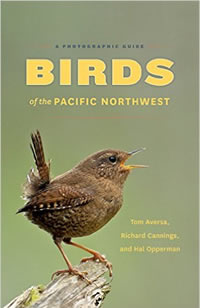
3. Birds of the Pacific Northwest
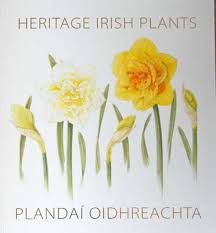
13. Heritage Irish plants
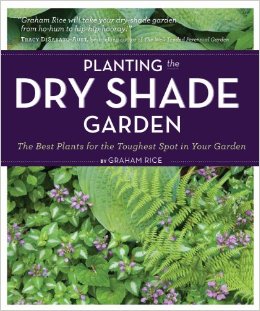
4. Planting the dry shade garden
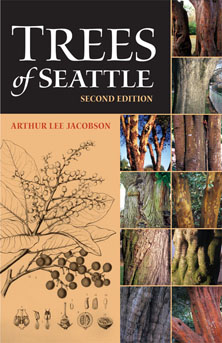
14. Trees of Seattle
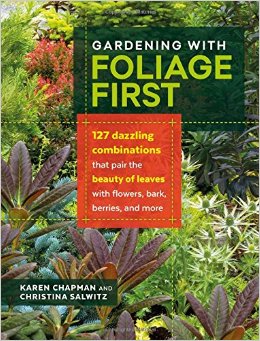
5. Gardening with foliage first
15. Native trees of Western Washington
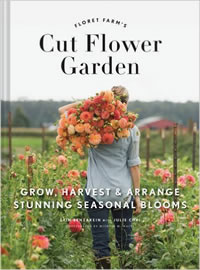
6. Floret Farm's cut flower garden
16. Change comes to dinner
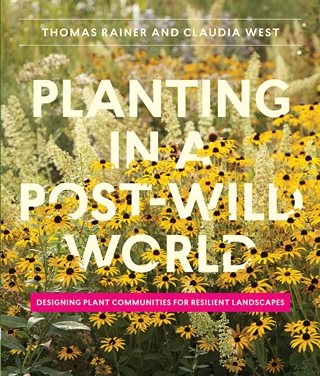
7. Planting in a post-wild world
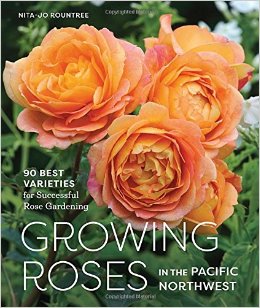
17. Growing roses in the Pacific Northwest
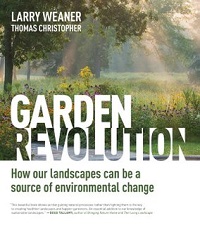
8. Garden revolution
18. Learning with nature
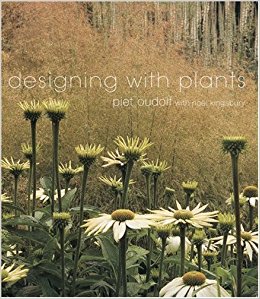
9. Designing with plants
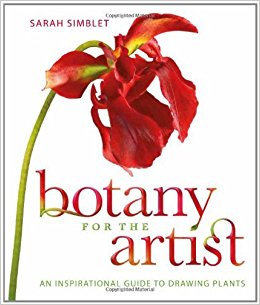
19. Botany for the artist
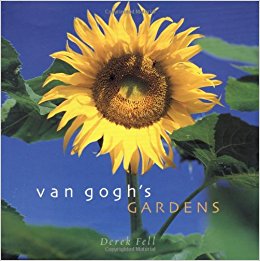
10. Van Gogh's gardens
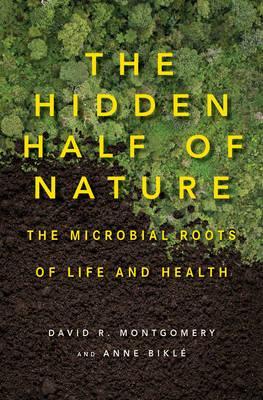
20. The hidden half of nature

Come check them out, and see what all the excitement is about!

Local horticultural publications digitized
a report by Tracy Mehlin
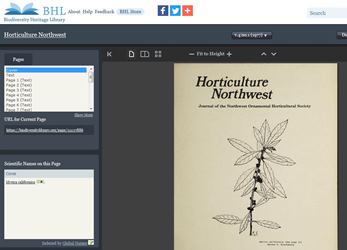
In 2017 the Elisabeth C. Miller Library participated in a digitization grant awarded to the Biodiversity Heritage Library by the Institute of Museum and Library Services. We sent 777 individual journal issues for scanning by the Internet Archive, from 14 titles published by 4 organizations. Now historic and recent issues of newsletters published by the Hardy Fern Foundation, Arboretum Foundation, Northwest Horticultural Society and the University of Washington Botanic Gardens are available for the world to read.

The Biodiversity Heritage Library is an international collaboration to identify, digitize, and freely share literature about plants and animals. The BHL is searchable by species name or the title and author of books. However, the newsletters that the Miller Library sent for digitizing are not yet fully indexed and so may only be searched by species name. The newsletter titles may be browsed by date and in the future will be fully searchable.

This is an excerpt. Read more and find links to specific digitized journals on the UW Botanic Gardens blog.
plant answer line
Plant Answer Line provides quick answers to gardening questions. You can reach the reference staff at 206-UW-PLANT (206-897-5268), hortlib@uw.edu, or online.
New to the library
cover image     cover image    cover image    cover image   
 
cover image     cover image     cover image        
 
cover image    cover image  
  give     Miller_LibraryLogo293px.gif    
Facebook    Twitter    Instagram    Pinterest
Contact Us   |   Privacy   |   Terms
© 2018 University of Washington Botanic Gardens
This email was sent to {{lead.Email Address}}
Unsubscribe or change your email preferences
Forward this email to a friend