College of the Environment | University of Washington Block W Logo
Library Home | Catalog | Calendar | College Home
VOLUME 5, ISSUE 8 | August 2018
Learning the Flowers
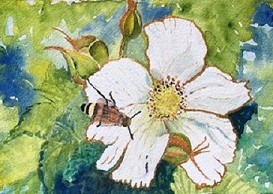
Watercolors by Linda Andrews

Linda Andrews rose detailA message from the artist:
Flowers have captured my attention since I was a small child, and held it through decades of gardening, designing landscapes, and hiking. In the last few years, I’ve been expressing my delight in flowers and nature through painting, primarily with watercolors. As I bear witness to flowers emerging, unfolding, and degenerating, I anticipate, celebrate and reflect. Painting deepens my practice of learning to truly see.

Along with flowers, this group of paintings explores bees, butterflies, and conservation. We are in a deep partnership with honeybees and other pollinators. As a beekeeper, I am besotted with these creatures and intrigued by our interdependence. I include the critically endangered Taylor’s checkerspot butterfly in some paintings. These butterflies depend upon the imperiled northwest prairie-oak ecosystem. While humans are responsible for the prairie’s decline, we are also the facilitators of its survival.

In the garden we tend, select, emphasize, and discourage, but we are at the whims of nature’s processes. Often it’s the unplanned elements that bring power and joy to our carefully planned combinations, and watercolor requires that same openness to serendipity. Lovely things happen when we allow the paint and water a little chance to move around and surprise us. Through my art, as with my landscape designs, I hope to deepen people’s engagement in the small scale nature of their own gardens, and to heighten their attentiveness to little details in the wider world. If I’ve encouraged the viewer to slow down and take pleasure in the simple beauty of cultivated and wild things, I will be pleased.    

The artist invites readers to the Miller Library Thursday, August 2, from 5 to 7 pm for her exhibit's opening reception.

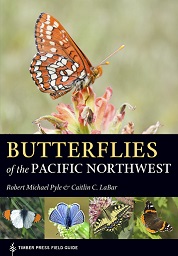
Butterflies of the Pacific Northwest
reviewed by Brian Thompson
book imageSummer is a great time to see butterflies and now there is an excellent new field guide. Butterflies of the Pacific Northwest by Robert Michael Pyle and Caitlin C. LaBar is the perfect tool to guide you in identifying and learning about the more than 200 species that are native to Washington and Oregon. It “is intended for everyone who wishes to study, watch, collect, photograph, garden, or otherwise enjoy butterflies responsibly.”

This Timber Press Field Guide has a sturdy, rain-resistant cover designed for field use. The Miller Library copy is an important reference source and not available to check out, but you can use it to compare with your field notes. Alternatively, check out Pyle’s earlier (2002) The Butterflies of Cascadia. The major difference between two books is the quality of the photographs. The advent of digital photography and the special expertise that new co-author LaBar brings have produced stunning results.

Each description includes range maps (within Washington and Oregon), habitat, host plants, and when the species is “on the wing.”  Carefully documented are the often significant differences between males and females, and between dorsal (with the wings open) and ventral (wings closed) views.

Pyle also writes poetry, and his pleasure in the subtleties of language is evident in the anecdotal section under each species. He describes unusual sightings, gives hints for distinguishing between similar species, and relishes quirks of nomenclature. If you are city bound this summer, he even identifies those species that thrive despite intense urban environments.
Summer travel reading suggestions from Laura Blumhagen
On a recent road trip to central Oregon, I was struck by how much more I would have known, seen and enjoyed if I'd brought a book or two about the plants of that region. Now that I'm back home in Seattle, I'm doing the next best thing: trying to match photos from my trip with place names and plant names.

With that in mind, we're featuring some resources on places readers might travel this summer, around the Pacific Northwest and farther afield. Browse, borrow, and be inspired for your next trip, whether you pass through Bend, Bellingham, or Bhutan.
plant answer line
Plant Answer Line provides quick answers to gardening questions. You can reach the reference staff at 206-UWPLANT (206-897-5268), hortlib@uw.edu, or online.
New to the library
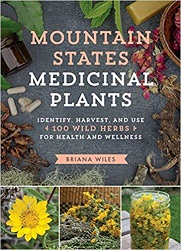
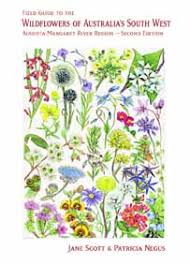
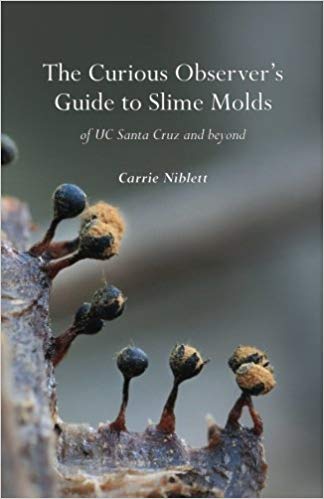
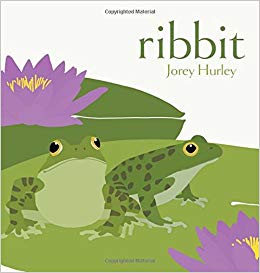
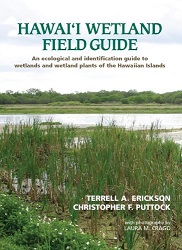
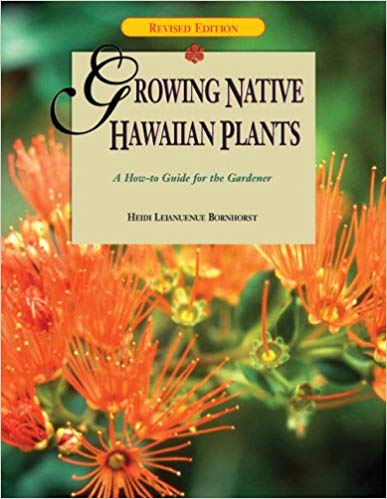
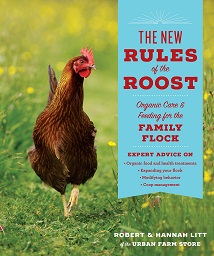
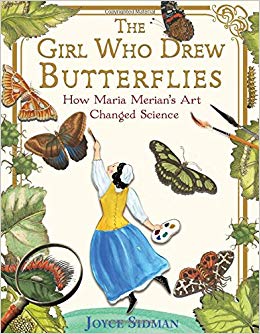
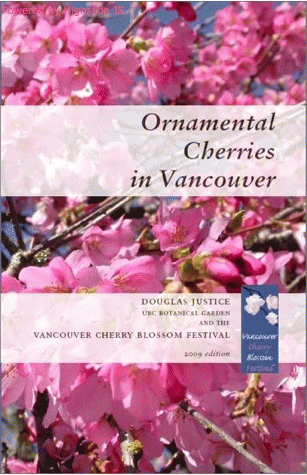
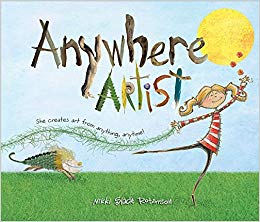
cover image     cover image    cover image    cover image
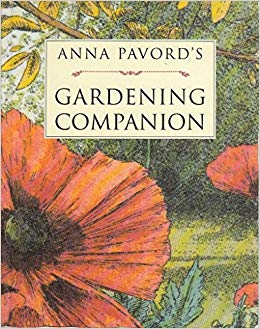
cover image      cover image    cover image    cover image
cover image    cover image    cover image    


Donate to the Miller Library Fund    Miller_LibraryLogo293px.gif
  Facebook    Twitter    Instagram     Pinterest
Contact Us   |   Privacy   |   Terms
© 2018 University of Washington Botanic Gardens