Futility: Case 1
A young accident victim has been in a persistent vegetative state for several months and family members have insisted that "everything possible" be done to keep the patient alive.
What are your professional obligations?
A young accident victim has been in a persistent vegetative state for several months and family members have insisted that "everything possible" be done to keep the patient alive.
What are your professional obligations?
Nancy S. Jecker, PhD
While you will hear colleagues referring to particular cases or interventions as "futile," the technical meaning and moral weight of this term is not always appreciated. As you will make clinical decisions using futility as a criterion, it is important to be clear about the meaning of the concept. (For a related discussion, see Do-Not-Resuscitate Orders.)
What is "medical futility"?
Article
Most hospitals are now required to have an ethics committee, and many in the Seattle area provide an ethics consultation service. In the United States some ethics committees have expanded their functions and become more comprehensive ethics programs. This topic page will discuss the role and activities of these groups.
What does an ethics committee or program do?
Angela is a 72-year-old woman with end stage congestive heart failure from coronary artery disease--she has had two myocardial infarctions. When her medical management is optimal, she is just able to take care of herself in her own apartment, but with any small decompensation, she ends up in the hospital. She comes in for a clinic visit, and her weight is up 2 kilograms and she is complaining of paroxysmal nocturnal dyspnea, even though she has been taking her meds as prescribed. Exasperated and discouraged, she asks, "Am I dying?".
Skip is a 50-year-old man with metastatic nonsmall cell lung cancer. He decided to try palliative chemotherapy because "otherwise I might just as well roll over and give up." After the first cycle of carboplatin and taxol, he requires hospitalization for fever and neutropenia (a complication of the chemotherapy). You stop by for a visit, and he says he feels terrible, wonders "if the chemo is worth all this", but that he's too scared to stop.

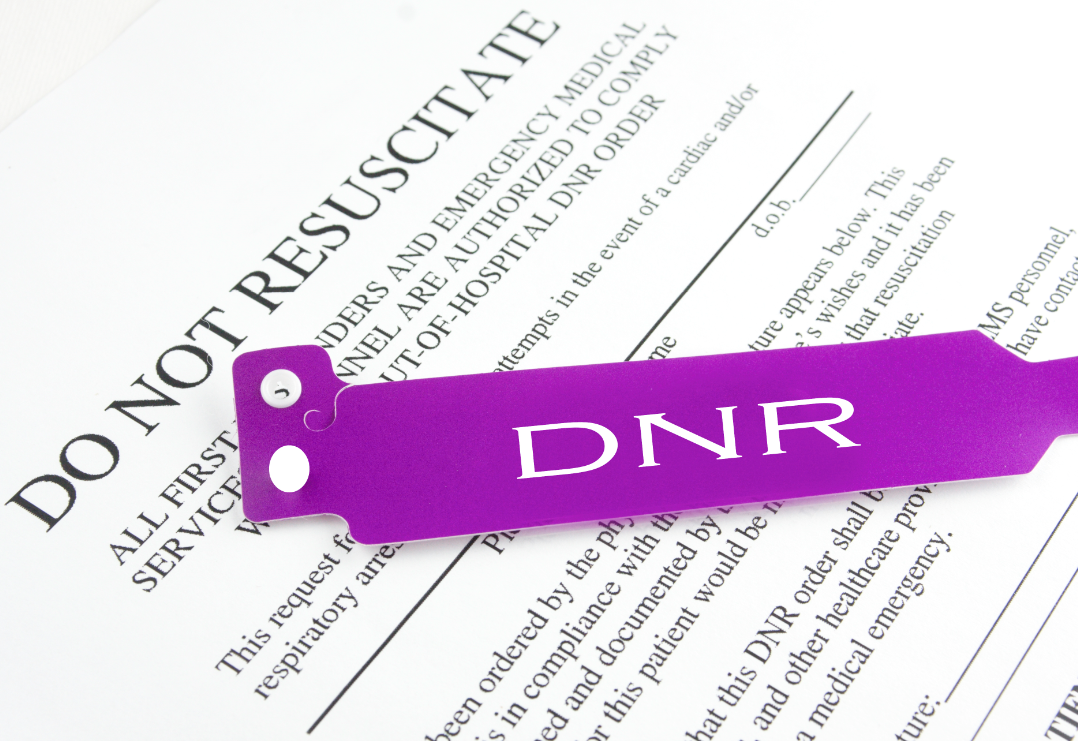
After a goal oriented conversation, Mrs. W continues to request to be fully resuscitated in the setting of cardiopulmonary arrest. However, several days later, despite a worsening clinical condition, Mrs. W still requests to be a "full code." Your intern suggests that you sign her out as a "slow code." Should you do this?
Mrs. W is an 81-year-old woman with recurrent colon cancer with liver metastases admitted to the hospital for chemotherapy. Because of her poor prognosis, you approach her about a DNR order, but she requests to be "a full code." Can you write a DNR order anyway?
Mr. H is a 24-year-old man who resides in a skilled nursing facility, where he is undergoing rehabilitation from a cervical spine injury. The injury left him quadriplegic. He has normal cognitive function and no problems with respiration. He is admitted to your service for treatment of pneumonia. The resident suggests antibiotics, chest physiotherapy, and hydration. One day while signing out Mr. H to the cross covering intern, the intern says "he should be a DNR, based on medical futility." Do you agree? Is his case medically futile, and if so, why?
 NOTE: The UW Dept.