Confidentiality
 NOTE: The UW Dept. of Bioethics & Humanities is in the process of updating all Ethics in Medicine articles for attentiveness to the issues of equity, diversity, and inclusion. Please check back soon for updates!
NOTE: The UW Dept. of Bioethics & Humanities is in the process of updating all Ethics in Medicine articles for attentiveness to the issues of equity, diversity, and inclusion. Please check back soon for updates!
Complementary Medicine:
|
|
|
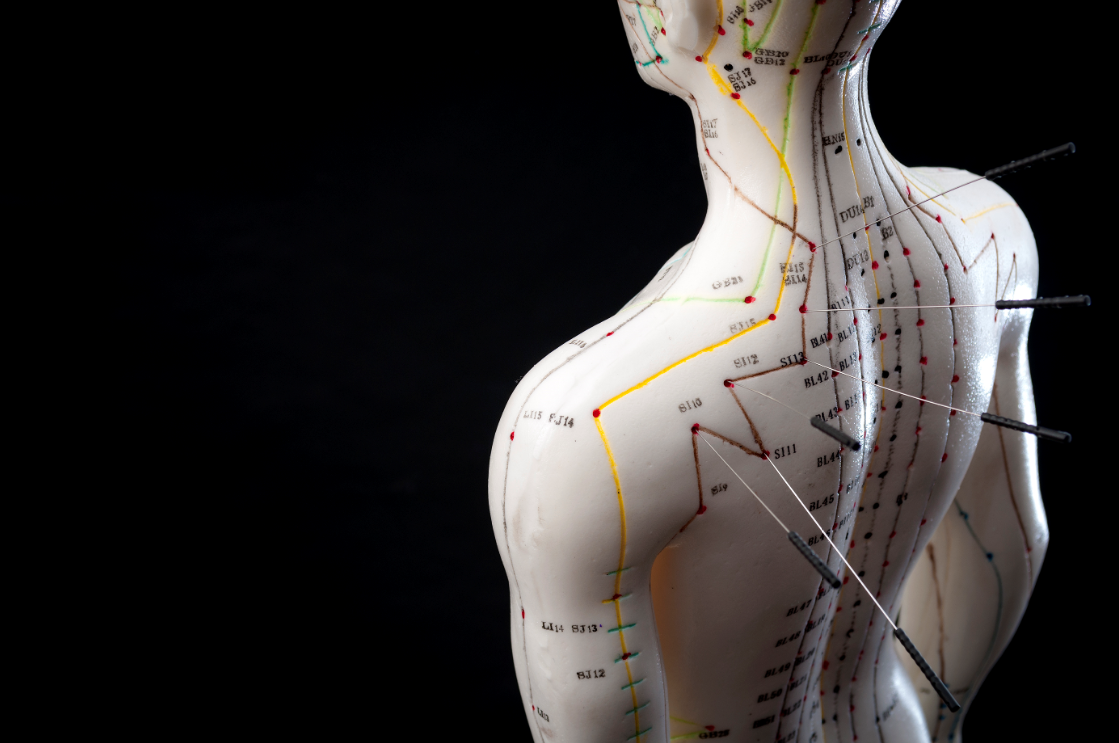
Your patient has been suffering from chronic low back pain for many years now. She voices her frustration with the various treatment modalities that you have been trying and says she is considering getting acupuncture. How do you respond? |
|
Complementary Medicine:
|
|
|
A young mother has just been informed that her 2-year-old son has leukemia. The mother refuses permission to begin chemotherapy and informs the team that their family physician (a naturopath) will follow the child's illness. What should you do? |
|
 NOTE: The UW Dept. of Bioethics & Humanities is in the process of updating all Ethics in Medicine articles for attentiveness to the issues of equity, diversity, and inclusion. Please check back soon for updates!
You are a 25-year-old female medical student doing a rotation in an HIV clinic. Sara is a 30-year-old woman with advanced HIV who dropped out of college after she found that she contracted HIV from her husband, who has hemophilia. In talking to Sara, it turns out you share a number of things--you are from the same part of Montana originally, also have young children, and like to cook. Later in the visit, when you suggest that she will need some blood tests, she gets very angry and says, "What would you know about this?"
What happened?
This course introduces students to bioethical questions that arise in public health, population health, and global health, situating ethical questions and challenges within a broader social context and perspective.
Advanced Care Planning & Advance Directives
For information about the POLST, see: POLST
For Internet based advance care planning resources, see:
 NOTE: The UW Dept. of Bioethics & Humanities is in the process of updating all Ethics in Medicine articles for attentiveness to the issues of equity, diversity, and inclusion. Please check back soon for updates!
Case 1: Jose is a 62-year-old man who just had a needle biopsy of the pancreas showing adenocarcinoma. You run into his brother in the hall, and he begs you not to tell Jose because the knowledge would kill him even faster. A family conference to discuss the prognosis is already scheduled for later that afternoon.
How should you handle this?

Apply to our flexible, online program to become certified for Advanced Training in Healthcare Ethics! Improve patient care, be an ethics committee member, or become an ethics consultant.
Program dates: