November 13, 2025
Dr. Dickens Onyango receives Fogarty Emerging Global Leader Award to support research career development in TB prevention among people living with HIV
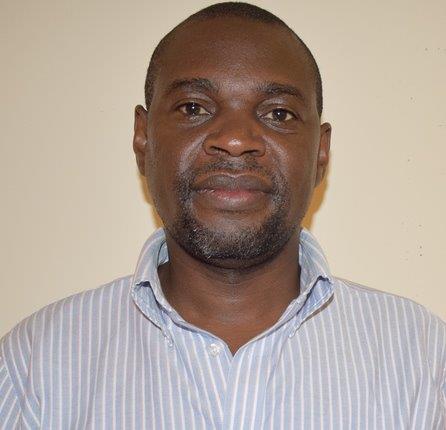 Congratulations to Dr. Dickens Onyango (Deputy Director of Medical Services, Kisumu County Health Department and visiting research scientist at Kenyatta National Hospital, Kenya) for receiving a National Institute of Health Fogarty Emerging Global Leader Award for “Enhancing Adherence and Completion of the Three-Month Isoniazid with Rifapentine (3HP) Tuberculosis Preventive Therapy Regimen Through Biomarker-Guided Adherence Counselling (ACT-TPT).”
Collaborating institutions include the Kisumu County Department of Health, Kenyatta National Hospital, and University of Washington.
The award supports an intensive, mentored research career development experience that will allow Dr. Onyango to further develop and expand skills in qualitative research, human-centered design, randomized controlled trials, and advanced implementation science methods to evaluate multicomponent interventions while growing in his career in tuberculosis (TB) prevention among people living with HIV (PLHIV).
Watch Dr. Onyango’s ‘Breakfast with WACh’ lecture from March 2025 that summarizes prior research that this project builds upon.
Over the next five years on this project, Dr. Onyango and collaborators will develop a community-based urine dipstick-guided intervention aimed at improving adherence and completion of the 3HP TB preventive therapy regimen among PLHIV. The intervention will be evaluated in an individually randomized controlled trial compared to the standard care, while also measuring key implementation factors like acceptability, feasibility, cost, and fidelity.
This research will directly help women and adolescents (aged 15 years and above) living with HIV in Kenya by giving them personalized, at-home support from trusted community health promoters to stay on track with their TB prevention pills. Since women make up a large portion of those affected and teens often struggle with clinic visits, this approach is more private, convenient, and less stigmatizing helping them finish their full treatment and avoid getting sick with TB.
While children under 15 years are not included in this specific study (because they take a different regimen), the lessons learned, such as using simple urine tests and home visits to boost adherence, will be used to design better, child-friendly support programs in the future.