The Global Health Metrics and Implementation Science PhD program is supported by both the Department of Global Health and the Department of Health Metrics Sciences, with Metrics Track students working alongside HMS faculty. Metrics students are listed below and Implementation Science students can be viewed at the Department of Global Health website.
Doctor of Philosophy, Global Health Metrics and Implementation Science [Metrics Track]
Emma Castro
Emma joined the PhD program in 2018 after earning her MS in Biostatistics from Columbia University and studying International Health as an undergraduate at Georgetown University. She currently works as a Researcher on the Pandemics team at IHME, where she has been modeling population-level mobility, social distancing mandates, and mask use – key inputs for the team’s COVID model. Her research interests include infectious disease modeling, human mobility models, and methods for combining traditional health data with novel sources of data, including cell phone GPS data and digital trace data. Prior to joining the Pandemics team, Emma spent time working with IHME’s Neglected Tropical Disease (NTD) team and continues to be passionate about vector-borne disease elimination efforts. She has spent time in Tamil Nadu, India, working with collaborators at the Vector Control Research Centre to quantify and improve mass drug administration for the elimination of lymphatic filariasis. She hopes her research will continue to furnish policy makers with the tools to make data-driven decisions in support of better health for all.

Horacio Chacón Torrico

Before starting the PhD program in 2022, Horacio finished the Global Health Metrics MPH program at UW. During his MPH, he worked as a Research Assistant at I-TECH supporting the M&E data collection system for a HIV Care and Treatment program in Zimbabwe. His work and interests focus on the intersection of technology, data, and public health, and how to better use data to measure health outcomes in middle- and low-income countries. Prior to joining UW, in Peru where he is originally from, he worked helping the design of a maternal and child health mHealth program aided by Community Health Workers in the Amazon Jungle. His prior Medical (MD) and Biomedical informatics (MSc) training has enabled him to contextually understand and work with public health data. During his PhD Horacio is aiming to develop new methods to map health inequities and explore disease distribution in underserved populations.
Huong Chu
Huong is a medical doctor and epidemiologist with more than 8 years of experience working in public health on infectious disease control and prevention. She has experience conducting cutting-edge research, understanding infectious disease trends, and evaluating the impact of interventions. Before joining IHME, Huong worked at Family Health International (FHI) 360 as a Senior Project Officer, Coordination and Knowledge. Prior to joining FHI 360, Huong served as an Analytics Team Lead for the COVID-19 unit in the Rhode Island Department of Health, where she trained and mentored epidemiologists and data scientists to provide analytical and technical support for the COVID-19 response. She was also a project lead at the Association of Vietnamese Scientists and Experts, advising the COVID-19 Taskforce in Vietnam. She has a medical degree from the Thai Nguyen University of Medicine and Pharmacy and a Master of Public Health degree from the University of Washington in the US.
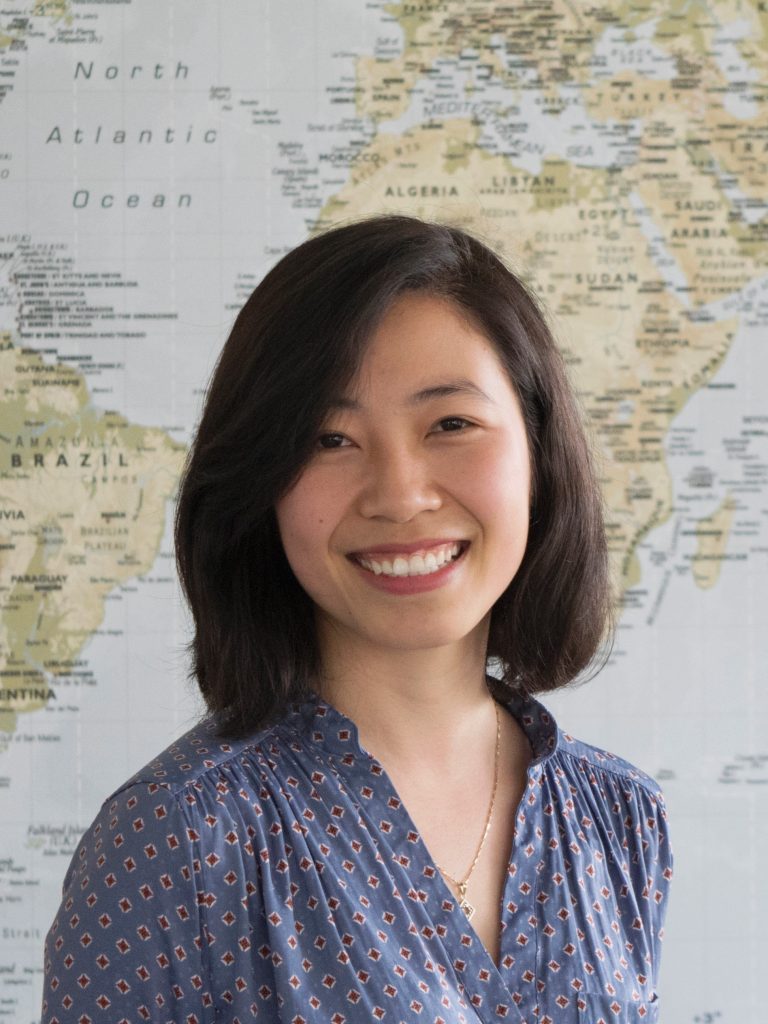
Salome Drouard
Salome joined the Ph.D. program in 2023. Prior to that, she was a Results Specialist at the Global Financing Facility (GFF) and a Research Assistant within the Development Economics Vice Presidency (DEC) of the World Bank. At the GFF, Salome worked on real-time monitoring of disruptions to essential health services during the COVID-19 pandemic, using routine health facility data and rapid phone surveys. At DEC, she contributed to impact evaluations of a performance-based financing program aimed at improving the quality and coverage of primary health services in the Democratic Republic of Congo. She holds a master’s degree in Applied Economics from the Paris School of Economics. Salome is interested in the impact of health on labor market outcomes.
Lukas Feddern

Before joining the PhD program in 2024, Lukas served as a research scientist and data analyst at the Evidence-based Public Health Unit of the Robert Koch Institute (RKI), Germany’s national public health institute. During his tenure at RKI, he contributed to several international research projects, including assessing the impact of COVID-19 on health systems in Guinea and Sierra Leone, evaluating vaccine readiness in Guinea, and analyzing the burden of viral hepatitis in Ukraine. His responsibilities encompassed survey design and implementation, statistical analysis, and training researchers in quantitative methods and programming. Lukas’ research interests focus on enhancing the quality of global health data, particularly routine health information system data, and leveraging novel data sources to better measure and predict population health challenges. He holds an MSc in Social and Economic Data Science from the University of Konstanz, Germany.
Nancy Fullman
Nancy Fullman, MPH joined the PhD program in Global Health Metrics and Implementation Science in September 2017 after working at the Institute for Health Metrics and Evaluation (IHME) in multiple roles. During her time at IHME, Nancy conducted research on tracking malaria intervention coverage and evaluating the impact of child health interventions in Zambia and Uganda; worked on a multi-country research initiative analyzing drivers of health system performance; and supported various research areas in the Global Burden of Disease study, particularly around the Sustainable Development Goals (SDGs). She also received her MPH in Health Metrics and Evaluation from the University of Washington in 2011. Nancy’s research interests primarily involve assessing various components of health system performance, especially around health service delivery and intervention coverage; measurement of the health-related SDGs; and impact evaluations.
Julie (Sojin) Kim

Julie joined the PhD program in fall 2021, after working as a research assistant at the Harvard Center for Population and Development Studies and finishing her master of science in global health and population at the Harvard School of Public Health. At Harvard, Julie focused on estimating health and demographic indicators across small geographic units in India to highlight subnational health and wealth inequities. Julie also conducted research in Brazil, where she investigated inequality in life expectancy by socioeconomic status in Rio de Janeiro. Julie is currently working to develop population forecast models at IHME, with a focus on fertility forecast models. During her PhD, she aims to expand her research to incorporate different policy scenarios in population projections and assess the impact of population policies in low fertility settings.
Ira Martopullo
Ira joined the PhD program in 2021, after working at IHME as a Research Scientist for more than five years. During her time at IHME, she worked in the Global Burden of Disease study, estimating the burden from maternal disorders. Ira has a Master’s in Public Health in Epidemiology from the University of Washington. She is interested in research focusing on women’s health, specifically on the relationship between family planning and health outcomes.
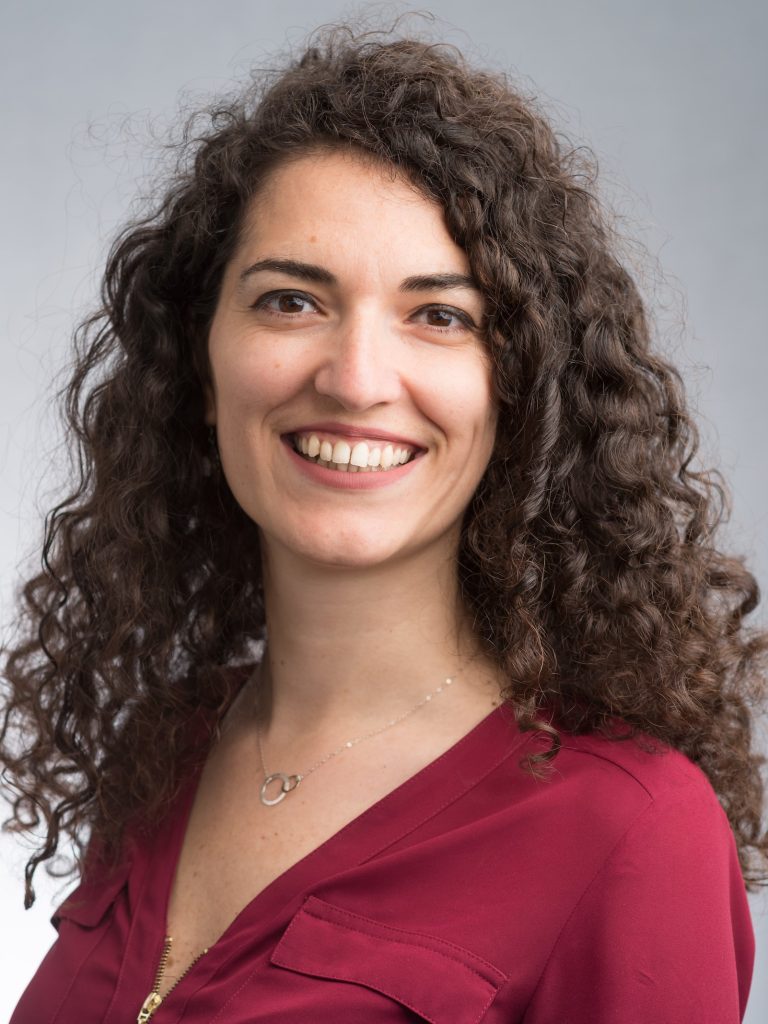
Floria Nyandaya

Floria Nyandaya is a physician-scientist with a diverse background in primary care, healthcare management, infectious disease surveillance, non-communicable disease (NCD) research and digital health technologies. Prior to her PhD in Health Metrics Science, she worked as an independent research consultant on multicountry women’s health research projects and as a Research Fellow and Program Manager for Hurone AI where she contributed to advancing culturally sensitive AI-driven cancer care solutions for underserved populations in Africa and Latin America.
Through her PhD, Floria aims to develop validation and prediction models that leverage generative AI while evaluating their cost-effectiveness and impact to advance NCD research in addressing health disparities and improving population health amidst Africa’s epidemiological transition.
Floria holds a medical degree from the University of Nairobi and an MPH from the University of Washington, where she was awarded the Fogarty Cardiometabolic Research Training Fellowship and the Thomas Francis Jr. Global Health Travel Fellowship, gaining global health experience in the U.S., Nigeria, and Kenya.
Latera Olana
Latera initiated his academic pursuits at Addis Ababa University, getting a B.Sc. in Computer and Electrical Engineering in 2019. He then transitioned to a professional role at the Ethiopian Public Health Institute’s National Data Management and Analytics Center as a data analyst and case team lead from 2020 to 2022, focusing on Maternal, Newborn, and Child Health (MNCH) research using advanced statistical and data science techniques. Concurrently, the team aimed to enhance national health data science competency and worked on creating interoperable health data systems adhering to FAIR principles. Latera also collaborated on projects estimating vaccine coverage across Ethiopian districts, supporting the Ethiopian Expanded Program for Immunization. In 2022, as part of the Institute for Health Metrics and Evaluation (IHME) and EPHI’s capacity building initiative, he commenced his master’s in Health Metrics Science at the University of Washington, affiliating with IHME’s Simulation Science team. Now advancing to his PhD, Latera continues on the same track with a data-centric focus. His research, employing methodologies in statistics, mathematics, applied sciences such as machine learning and econometrics, aims to evaluate MNCH intervention coverage, discern key drivers and disparity levels, and forecast cost-effective investments to address these issues, thereby intertwining advanced analytic techniques with crucial public health concerns.
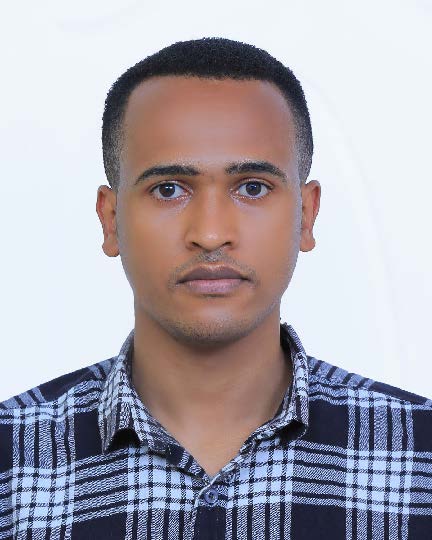
Pyone Paing

Pyone is an epidemiologist with more than eight years of experience in public health research and policy. She is passionate about advancing health equity by using actionable local data. Pyone began her PhD program in Autumn 2025. Before starting her doctoral studies, she served as an Epidemiologist at the Washington State Department of Health (DOH), where she analyzed public health data to identify racial/ethnic and geographic disparities. Prior to her work at DOH, she worked at the Urban Indian Health Institute, one of twelve Tribal Epidemiology Centers providing epidemiologic assistance to urban American Indian and Alaska Native (AI/AN) communities. Originally from Myanmar (Burma), Pyone earned her bachelor’s degree in Community Health in Myanmar in 2016. She then spent over five years from 2016 to 2021 working with international non-governmental organizations on multi-country, evidence-based policy programs to address the growing burden of non-communicable diseases (NCDs) in Myanmar. During her PhD, Pyone aims to expand her expertise in small area estimation methods to generate local-level data that can improve understanding of health disparities and guide efficient resource allocation to address NCDs in low-resource settings.
Nishali Patel
Nishali is interested in exploring the relationships between health systems, policies, and reforms in the production and potential reduction of health inequities. Prior to joining the PhD program in 2021, she supported health financing research in Ethiopia with Harvard University and the Ethiopian Ministry of Health, malaria program costing in Vietnam with the Clinton Health Access Initiative, health systems data visualization in the Congo (remotely) with the World Bank, and global health policy analysis with the Government of Canada. After graduation, Nishali hopes to contribute to developing innovative tools for measurement of health systems performance and progress in multiple contexts.
Paola Pedroza

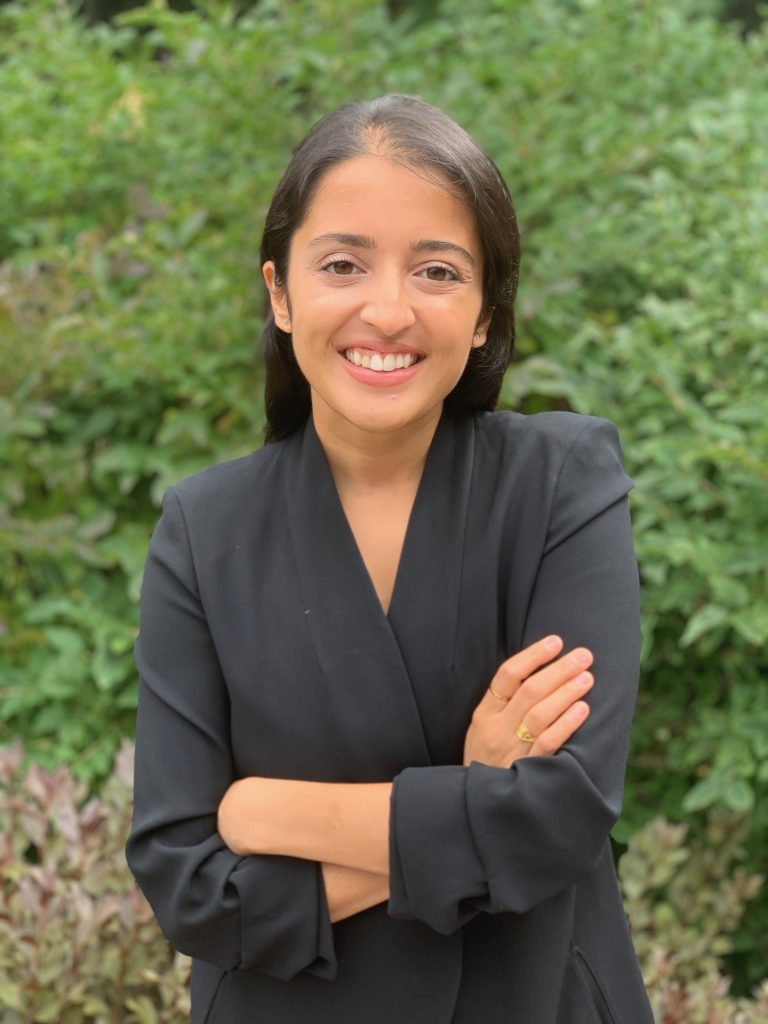
Paola joined the PhD program in 2022, after working as a researcher and data analyst at the Institute for Health Metrics and Evaluation (IHME). During her time at IHME, Paola worked on estimating global dementia spending, development assistance for health, and funding and services needed to achieve universal health coverage (UHC) around the world. Prior to joining IHME, Paola was awarded an Erasmus mundus scholarship to pursue a master’s in public health in Spanish, French, and Polish institutions. In addition to her multi-cultural background her experience with health economics, public health, and biology have allowed her to contribute to research teams working on diverse topics including an economic evaluation of a backyard poultry intervention to reduce stunting in Ghana and an effort to estimate cost-effectiveness ratios for common pharmacological interventions in resource limited settings. During her time as a PhD student Paola is interested in understanding the practices that make health systems stronger and better suited to meet the needs of the populations they server—with special interest in continuity of care following a non-communicable disease diagnosis.
Aisha Twalibu
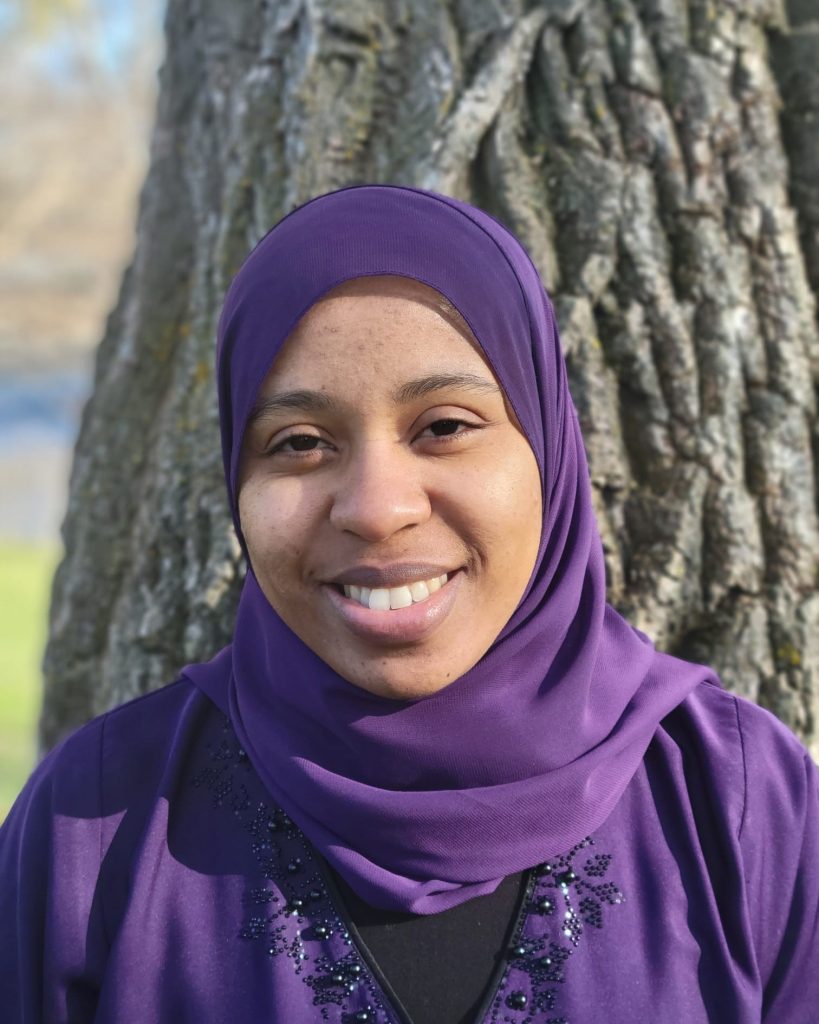
Aisha is a global health researcher interested in impact evaluations, cost effectiveness, resource tracking and measurement of health inequalities. Aisha’s research career started at Save the Children, Malawi where she managed a cluster randomized controlled trial of an integrated child nutrition intervention and its impact evaluation. After Save the Children, Aisha was an independent research consultant with International Food Policy Research Institute (IFPRI), Institute for International Programs at Johns Hopkins University and Global Alliance for Improved Nutrition (GAIN). Before joining the PhD program, Aisha worked at the University of Western Ontario, Canada focusing on systematic reviews and economic analyses of Indigenous maternal and child health interventions. She holds an MSc in Global Health Implementation and a Bachelor of Science in Statistics and Demography from the University of Malawi.