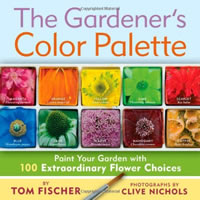
 The Gardener’s Color Palette at first glance is a pretty book, but I was prepared to dismiss it as having little information of consequence. However, like with most books, it is important to read the author’s introduction. Tom Fischer’s second sentence summarizes his intent: “Flowers are nature’s most direct and accessible route to enjoying the pure pleasures of color.”
As an experienced gardener, I was already familiar with almost all of the one hundred flowers (mostly herbaceous perennials) profiled. I know their size, habits, foliage, texture, and even fragrance, or lack of one. And color, of course. Or so I thought. Fischer, and the superb photographs of Clive Nichols, invites you to isolate color from all other qualities.
This is best done on the beginning page of each of the ten color groups, with thumbnail style, tight close-ups of the full view examples that follow. Here, the shape of the flower is gone; all that is left is the color. It’s quite a change in perspective.
The text gives a brief but insightful and often witty description of each plant, but the most valuable advice is for suggested companions, complimentary color ranges, or little gems like this entry on joe-pye weeds: “Their pinks and purples have a slightly dusty quality, which isn’t necessarily a drawback; in fact, a hot fuchsia joe-pye weed would be terrifying–what on earth would you do with it?”
Excerpted from the Fall 2011 Arboretum Bulletin.
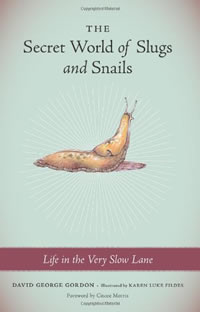 David George Gordon wrote a delightful booklet (48 pages) in 1994 titled Field Guide to the Slug. After chuckling over the concept, I found there was a lot of information packed in those few pages.
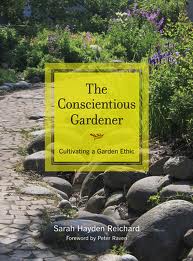 Sarah Reichard, the late Director of the University of Washington Botanic Gardens, is also the author of an important book for gardeners:
 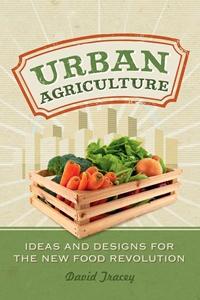 Though I personally am cheered by the sight of a P-Patch, a front garden, or a tiny apartment balcony resplendent with edible plants, there is still resistance to seeing raised beds replete with tomatoes and lettuce overtake a lawn or other underutilized space. Activist and arborist David Tracey’s
 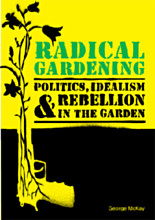 “The law condemns the man or woman
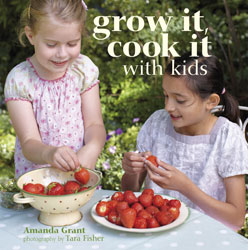 Parents of enthusiastic young gardeners, and farmers’ market shoppers alike will love this useful guide to home-growing and cooking. It features easy, photo-illustrated recipes grouped by their main ingredients, so that chocolate zucchini cake is right next to zucchini salad and stir fry, allowing cooks to choose a recipe based on what they have on hand. Better yet, each chapter begins with step-by-step instructions for growing children’s favorites like herbs, peas, beans, and berries.
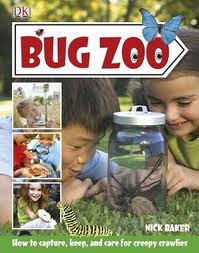 Does someone you know want an earwiggery? How about a wormery or a dragonfly den? If you know a child who loves bugs, this illustrated handbook of bug habitats will teach him or her how to capture, observe, and learn from these tiny animals respectfully, with an understanding of their delicate biology.
 Amidst the bumper crop of new food-gardening titles, Backyard Bounty : The Complete Guide to Year-Round Organic Gardening in the Pacific Northwest by Salt Spring Island, B.C. resident Linda Gilkeson stands apart. I put three recent edible plant titles by Northwest authors to the test by trying to find answers to commonly asked questions in them. Whether you are a beginning gardener or an experienced (or jaded!) old hand, this book will neither insult your intelligence nor blind you in a blizzard of technicalities. If you want to know about soil in raised beds, what to grow over the winter, or how to protect your grapes from predacious raccoons, this is the place. Though it lacks photos of primped and prinked up fruit and veggie glamour, the information is well-organized and clearly presented. I learned enough from reading it that I may just have to own a copy.
![[The Gossler Guide to the Best Hardy Shrubs] cover](https://depts.washington.edu/hortlib/graphix/gosslerguide.jpg)
![[In My Nature] cover](https://depts.washington.edu/hortlib/graphix/inmynature.jpg)