 Here in Seattle, we have our picturesque and productive P-Patches. In England, allotment gardens trace their roots to the policies of enclosure of open fields which had been held in common, and to industrialization and burgeoning urban populations. This fencing in and privatization began as early as the 14th century but was widespread through the 18th and 19th centuries, when allotments were offered as a small compensation to villagers and city dwellers who did not own private land.
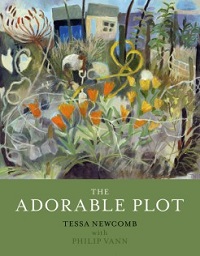
Painter Tessa Newcomb’s The Adorable Plot is an exuberant celebration of the beauty and bounty of the allotments in her native Suffolk coast. The first striking thing about her art is the sense of scale. Dried poppy heads, trellis-climbing beans, and giant artichokes dwarf the humans who tend these busy and productive plots. Newcomb’s use of color and space is reminiscent of Stanley Spencer, but her style is looser and more dynamic. Although Newcomb’s paintings and drawings are the focal point, the text also delights with humor and poetic description. Poppies which have shed their petals are “lovely green globes, ginger cartwheels at the top and secret openings ready to disperse their seeds.” Of a couple observing the fruits of their labor: “They sat in the chairs overlooking the plot which swayed like the sea.” Whether or not you have an adorable plot of your own, this book will inspire you to head out to a garden with your eyes open, and perhaps your favorite garden tool or paintbrush in hand.
Related titles:
- Stanley Spencer and the English Garden edited by Steven Parissien (Compton Verney Gallery, 2010)
- Allotments by Twigs Way (Shire, 2008)
Reviewed by Rebecca Alexander
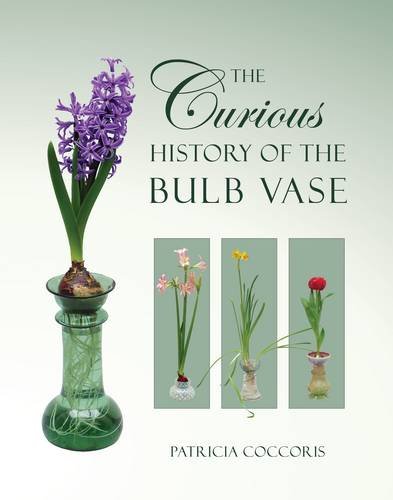 Bulb season is upon us—time to consider forcing a few for winter indoor color. Amongst the many bulb books in the Miller Library are a handful that focus on this delightful art.
 Why do forests capture our imagination? And why are so many fairytales, at least in the Northern European tradition, rooted in forests? Sara Maitland’s
 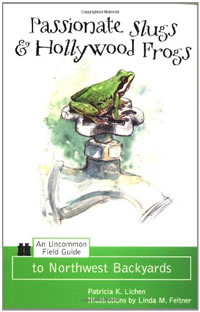 With a title like “Passionate Slugs and Hollywood Frogs,” it’s hard to know what to expect from the 2001 book by Patricia K. Lichen, but the sub-title helps: “An Uncommon Field Guide to Northwest Backyards.” This is mainly a guide to the birds and other animals–natives and non-natives alike–who may call your backyard home, plus a few plants including iconic trees, some troublesome invasives, and even your lawn and its “three million tiny plants.” The essays are short and full of whimsy, but also plenty of good information and the incentive to appreciate what you have in your own, well, backyard. The book concludes with an invitation to look up and appreciate rainbows and the stars at night–charming.
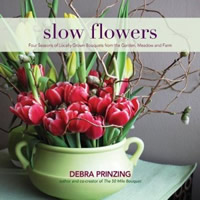 “Slow Flowers” is something of a sequel to “The 50 Mile Bouquet,” Debra Prinzing’s previous book (co-created with photographer David Perry) about local and sustainable cut flower vendors. In this book, she uses the produce (flowers, leaves, seedpods, cones, and other plant material) from those vendors, plus cuttings from her own yard and those of friends to create a calendar full of arrangements, one for each week of the year.
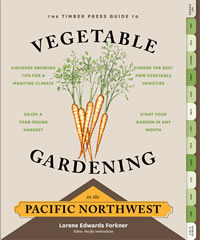 In “The Timber Press Guide to Vegetable Gardening in the Pacific Northwest,” Lorene Edwards Forkner gives a whole calendar of ideas of what to plant and what to harvest every month–what’s unusual is that the chapter on January, while having fewer pages, is still on equal footing with June, rather than be relegated to an off-season category.
 Jack Nisbet’s first book about David Douglas (“The Collector” from 2009) was a very popular, journal-like life chronology of the intrepid plant explorer. The enthusiastic response led the author to realize “…I had only begun to touch the dynamic worlds he [Douglas] saw. So I went back on the trail, revisiting places he had described, checking on species of flora and fauna he had collected, following any lead that might reveal additional facets of his career and character.”
 The Orchard Mason Bee by Bellingham author Brian Griffin has long been my go-to book on this subject, but from just across the border in Coquitlam, B.C., is a slightly newer book (2002) on these fascinating garden helpers.