“Phantom Aid” refers to the phenomenon where foreign aid is promised but not effectively delivered, often due to corruption, mismanagement, or other systemic issues. Here are recommended books to explore the topic more: “The White Man’s Burden: Historical Origins of Racism in the United States” by Winthrop D. Jordan (1974) This seminal work offers crucial historical context on how racial perceptions have influenced foreign aid efforts, providing a foundation for understanding the complexities of aid dynamics. “Dead Aid: Why…
Category: Reimagining Aid
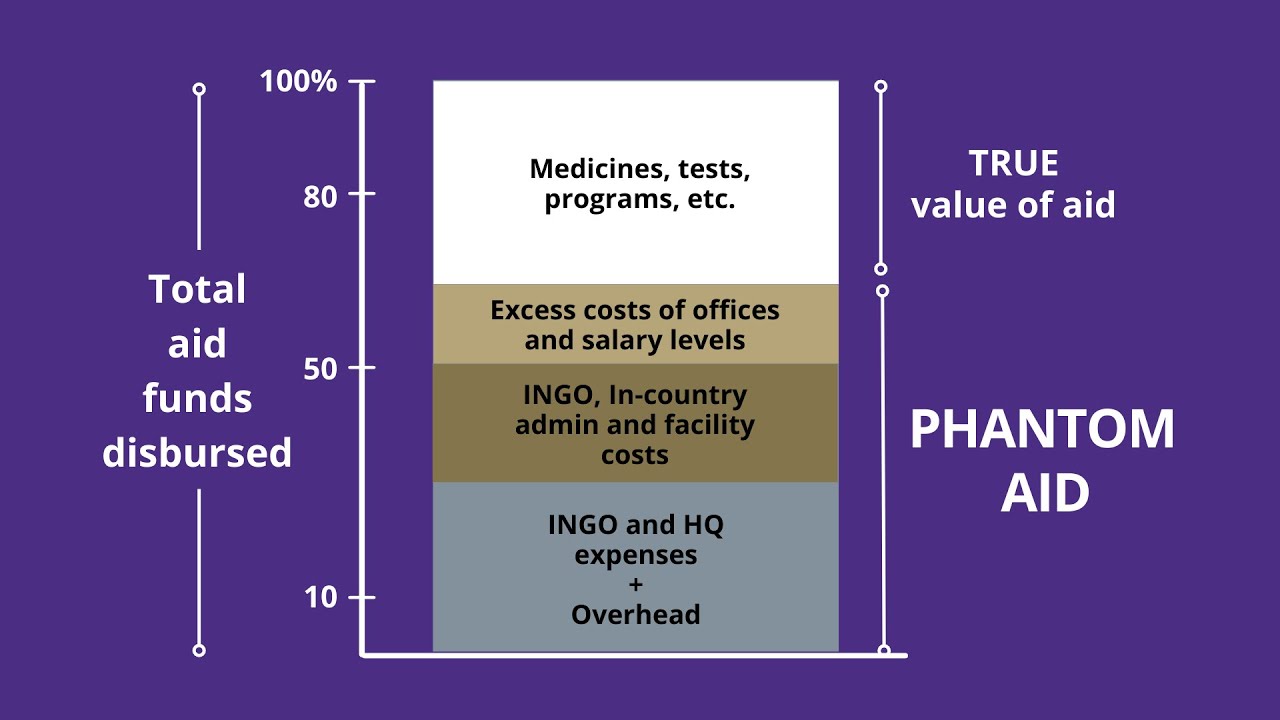
A large proportion of aid money ends up benefiting people and institutions of the Global North rather than the Global South. The aid funds serve the agendas of the rich donors and much of the money does not even reach its intended beneficiaries. Typically, more aid funds end up in the coffers of INGOs than to institutions in the countries to which the aid is supposedly ‘allocated.’ Moreover, as donors have moved toward funding indigenous in-country organizations, the INGOs have frequently set up local their NGO subsidiaries to be better positioned to continue receiving these funds. Instead of providing direct funds to capable ministries of health – who do the bulk of the work, funds often go to INGOs to implement donor-driven health programs that often fail to align with or meet the health needs of global communities.
[BOOKS] on Phantom Aid
Health aid vs health needs: Mismatch created by donor ‘experts’ & INGOs
Baccini, Heinzel and Koenig-Archibugi demonstrate that peer influences in the networks of Global North advocates and ‘experts’ drives global health priorities that are frequently misaligned with the needs of low income country aid recipients. Their analysis attempts to quantify the degree of mismatch over time and by donor country. They found that networks of professionals among donors and INGOs with authoritative claims to policy-relevant knowledge are responsible for a substantial part of the allocation of health aid across disease categories…
[VIDEO] Phantom Aid: Money allocated to countries that ends up funding INGOs
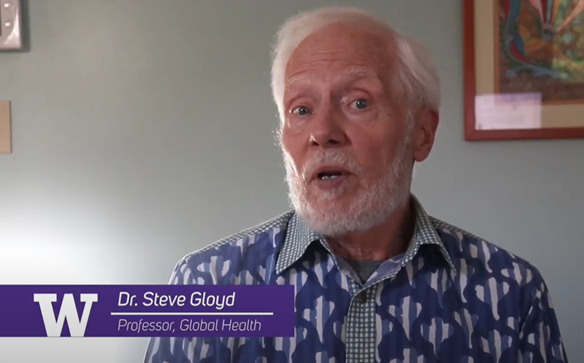
International NGOs are expensive. They are usually run from their headquarters in expensive cities in high income countries like Washington DC, New York, Boston or Seattle, where the costs are very high compared to low-income countries. They charge overhead and indirect costs for their offices and overall organizational administration which are not related to the specific grant or contract. And the overhead can be more than half the entire project budget with an average of about 15-30% of these total…
Madagascar government uncovers $830 million of previously unknown ‘aid.’
The Government of Madagascar used the International Aid Transparency Initiative (IATI) data to discover millions of dollars of spending on development and humanitarian projects in the country, that were previously unknown to them. See this 2021 report from the IATI https://iatistandard.org/en/about/case-studies/madagascar-casestudy/ Madagascar has a Aid Monitoring Platform (AMP), but many international organizations working in Madagascar simply do not report their activities or budgets to the AMP. With the work of IATI, not only has additional funding been identified, but the…
Gates Foundation: Improve global health without addressing structural causes
Nicholas Kulish (NYTimes podcast/discussion) discusses how Bill Gates has defined problems and solutions to global health, avoiding structural change and protecting Big Pharma patent protections, while burnishing his image as a global health savior: https://www.nytimes.com/2021/03/03/podcasts/the-daily/coroanvirus-vaccine-bill-gates-covax.html “Bill Gates is, in many ways, a representative figure…of an era where private companies have such a huge say in public health. He represents the limitations of what we’re willing to do, which is we don’t want to hurt the bottom lines of industry. And…
Action Aid calls out “Phantom Aid” in 2005
Scandal of ‘phantom’ aid money | Larry Elliott, economics editor | The Guardian 2005 27 May A 2005 Action Aid report stated that the bulk of aid money allocated was wasted, misdirected or recycled within rich countries. They estimated that 61% of aid flows were “phantom” rather than “real” – rising to almost 90% in the case of France and the United States. Most of the ‘phantom aid’ came from huge disparities in compensation for rich-country vs LMIC expert salaries….