Unmasking Global Health in 2025: Aid Disruption, Dependency, Sovereignty, and Reform

Unmasking global health

This episode of Global Health Unfiltered examines what the upheavals of 2025 revealed about power, dependency, and accountability in global health. Through reflections from Dr. Luchuo Bain, Dr. Seye Abimbola, Dr. Boghuma Titanji, Dr. Madhu Pai, Dr. Mohamed Aburawi, and Sitawa Wafula, the episode considers the consequences of the United States’ withdrawal from the World Health Organization, the dismantling of USAID, and the emergence of controversial bilateral agreements. The contributors explore the human consequences of abrupt aid cuts, the relationship…

Paying More, Owning Less: Rethinking Authority and Dependency in African Health Financing

featured image

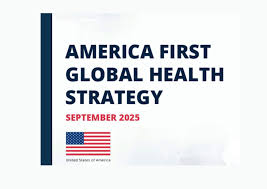
The America First Global Health Strategy presents bilateral, time-bound financing compacts as a pathway toward greater country ownership. Under these arrangements, African governments co-finance health programs with the United States and gradually assume financial responsibility as American funding declines. Yet this episode asks a fundamental question: can countries genuinely own health systems when they bear responsibility for sustaining them but lack the corresponding authority over technology, data, procurement, and the political conditions attached to funding? Nelson Aghogho Evaborhene, a PhD…

Despite calls for integration, vertical programs and NGOs continue to dominate US health assistance

featured image

Analysis by the Kaiser Family Foundation (KFF), and the Institute for Health Metrics and Evaluation (IHME) suggest that the new approach to US bilateral health assistance maintains much of the vertical programming that the original strategy was designed to eliminate. The America First Global Health Strategy (AFGHS) published in September 2025 stated that vertical programs resulted in “lack of coordination…..duplication, and missed opportunities to maximize and leverage investments across multiple diseases. This vertical disease-specific approach has also made integrating programs…

Responding to the America First Global Health Strategy

featured image

Ebere Okereke of Chatham House argues that the America First Global Health Strategy provides potential opportunities for African countries, despite being designed as strategic asset for the benefit of the USA. She suggests that recipient countries respond strategically, to: 1) reclaim the narrative regarding the dependency that was largely created by donor countries, 2) to negotiate collectively to increase the leverage and strength of the dependent countries, 3) to accelerate domestic investment in health-related activities via earmarked taxes, excise levies,…

Time to Reimagine PEPFAR

A man on his bike passing through two signs on a wall for PEPFAR in Abidjan, Ivory Coast

In late July, The New York Times published an article regarding the State Department planning process for PEPFAR, indicating that they plan to discontinue the program in 2-8 years, depending on the country. PEPFAR resources would be transformed into a platform for rapid disease detection and outbreak response, establishing new markets for American pharmaceuticals and technologies, and encouraging privatization of HIV services. The plans also call for an abrupt termination of funding for most efforts to prevent new infections, especially…

Confusion and Missteps Characterize the Fall of USAID

featured image

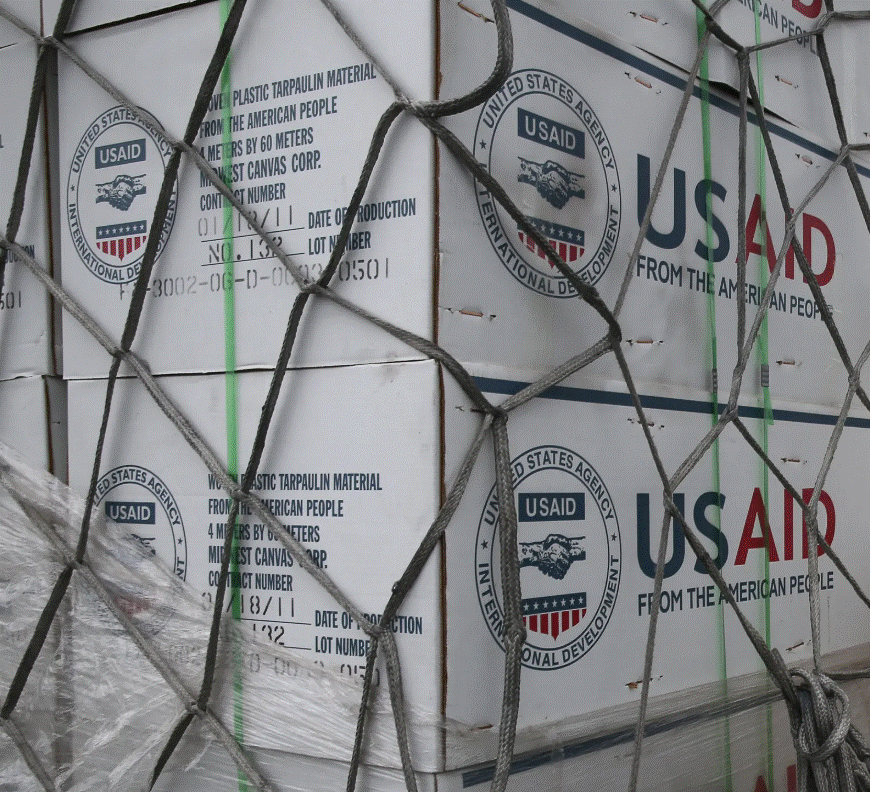
On June 22, 2025, The New York Times released a chronological story detailing the decline of USAID. The article, derived from investigations, interviews with former agency personnels, social media, and news sources, traces the period from President Trump’s inauguration until February 3rd, the final day of the agency’s operation. Executive Order 14169 instructing USAID officials to immediately suspend new obligations and disbursements of development aid funding for a 90-day review provided ambiguous guidance, even to his own appointees. Jason Gray,…

Shifting power to transform the development paradigm

featured image

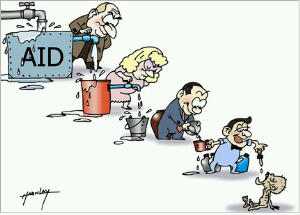
Obinna Onyekwena reminds us, in his recent opinion piece in Development today, that aid to the Global South has functioned as a mechanism of control, influence, and outsourced profit, entrenching asymmetries of power under the guise of assistance. He also notes, that following the recent aid cuts “it is not the recipients who express the greatest anxiety, but the dominant institutions and donor actors.” Given that the conventional narrative continues to be framed through the lens of a “savior complex”…

Global Health Catastrophe from 2025 U.S. Foreign Budget Freeze

featured image

The Trump administration’s 90-day freeze in January-March 2025 on U.S. foreign aid has blocked billions of dollars in funding for global health initiatives, including contraceptives, climate justice, HIV, and TB. The U.S. allocated $63.1 billion for foreign assistance in Fiscal Year 2024, with $10.5 billion for humanitarian aid and $4.1 billion for global health efforts. The freeze disrupted the continuity of essential health services, placing vulnerable populations at risk. Impacts on African Countries The freeze on U.S. foreign aid has…

Re-imagining foreign aid

featured image

Farah Stockman in her NY Times editorial decries the chaos and devastation from cuts in US foreign aid, but also calls for re-imagining a foreign aid that addresses serious flaws inherent in the current forms of aid.  We know that local groups (especially under-funded government health systems) are far more cost-effective and attuned to what communities need – and stay long after foreign workers depart. Cutting out the middlemen is essential, and more cost-effective – as leaders in the global…

Wealthy Countries Profiting from Climate Funding

featured image

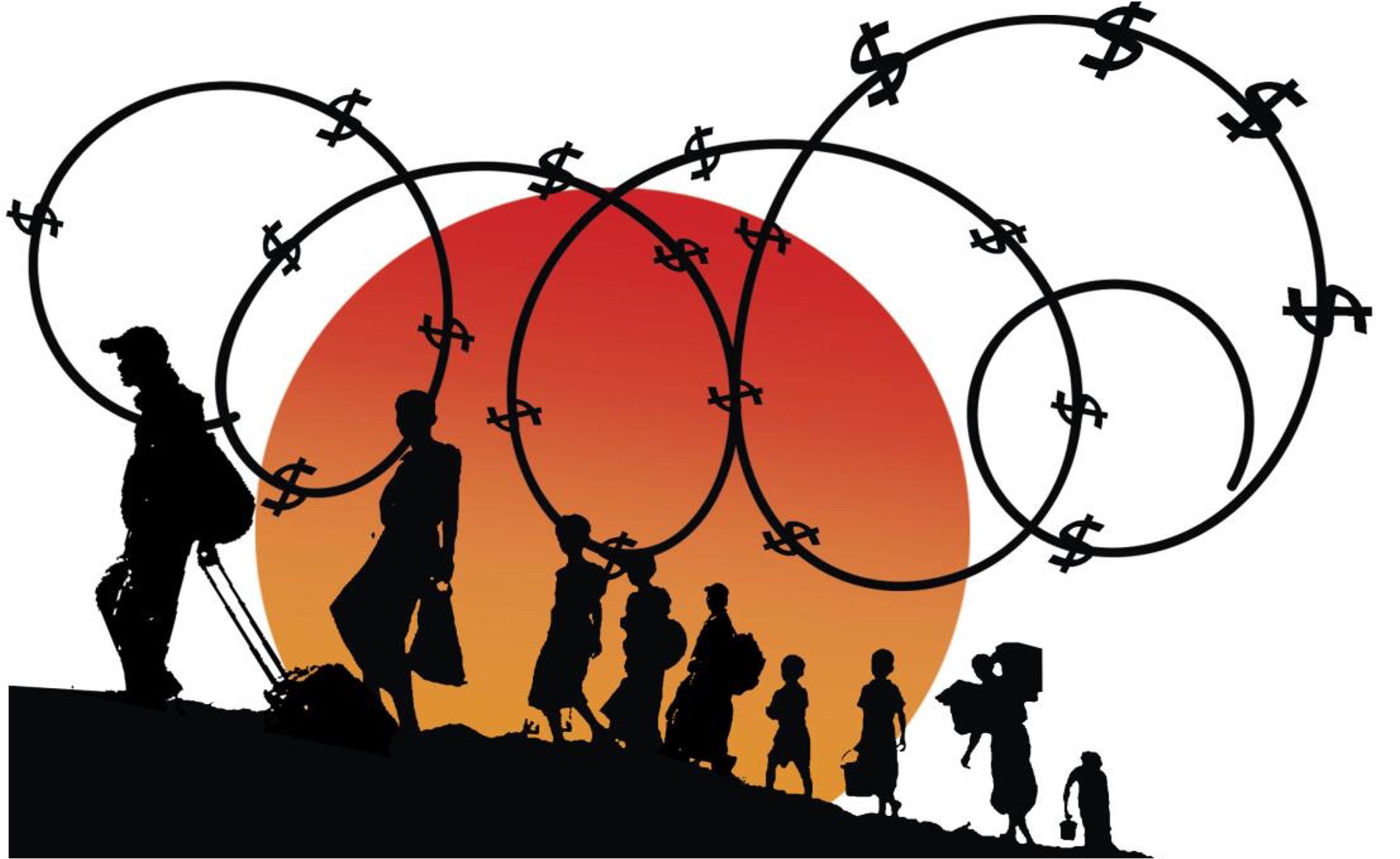
A recent Reuters investigation reveals that countries like Japan, France, Germany, and the United States are reaping billions in economic rewards from a global program meant to help low- and middle-income countries combat climate change. The grants and loans often come with high interest rates or binding conditions, requiring recipients to hire companies from the donor countries. Read this article on how wealthy nations turned a supposed act of climate justice into a profitable venture for themselves.   Image Source:…