Harm reduction builds equity in substance use treatment! Our new open-access paper shows that harm-reduction treatment for AUD produced similar outcomes across race, ethnicity, and sex assigned at birth among adults experiencing homelessness.
Author: Emily Taylor
2nd CHaRRM-CN Article Published Online!
Our second CHaRRM-CN article has been published online at the Cultural Diversity & Ethnic Minority Psychology! This article highlights American Indian tribal citizens’ perceptions of substance-use treatment – with and without medication for opioid use disorder – and community-informed suggestions for its improvement.
Dr. Susan Collins Op-Ed on Involuntary Treatment
In an op-ed in PubliCola, HaRRT Center codirector, Dr. Susan Collins, highlights the importance of defining terms in policy discussions about involuntary treatment. Unlike mandated treatment and other means of coercion, involuntary treatment strips people of their civil liberties, and decades of worldwide research show it precipitates poor treatment outcomes — including relapse, reincarceration, and overdose death. It should remain a treatment of last resort, reserved for rare, life-threatening cases. What needs expansion is a full range of voluntary, evidence-based options — from harm reduction services to inpatient SUD care — that are affordable and accessible to people who use substances and their families.
https://publicola.com/2025/09/25/the-siren-song-of-forced-drug-treatment/
Honoring Overdose Awareness Day
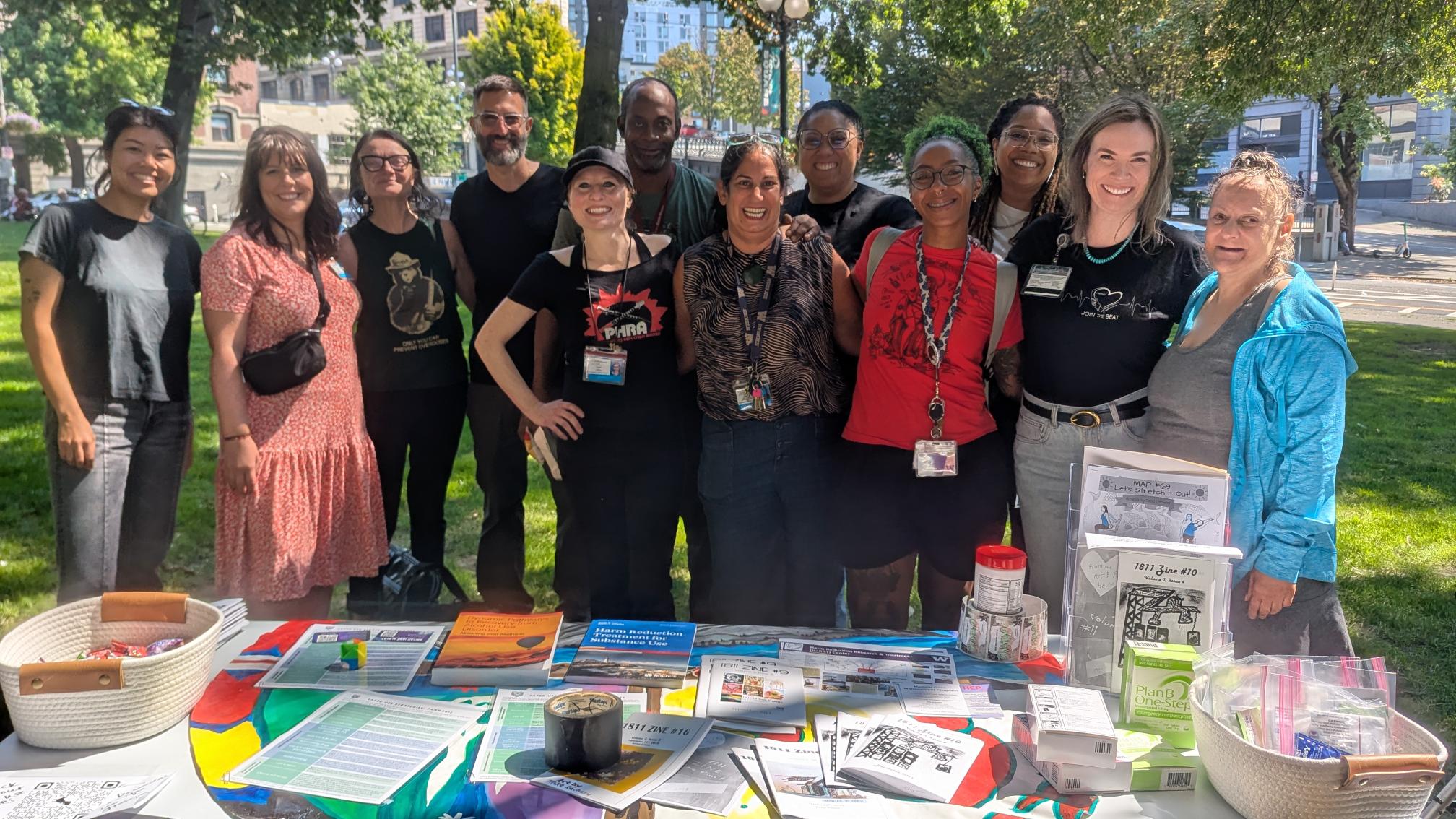
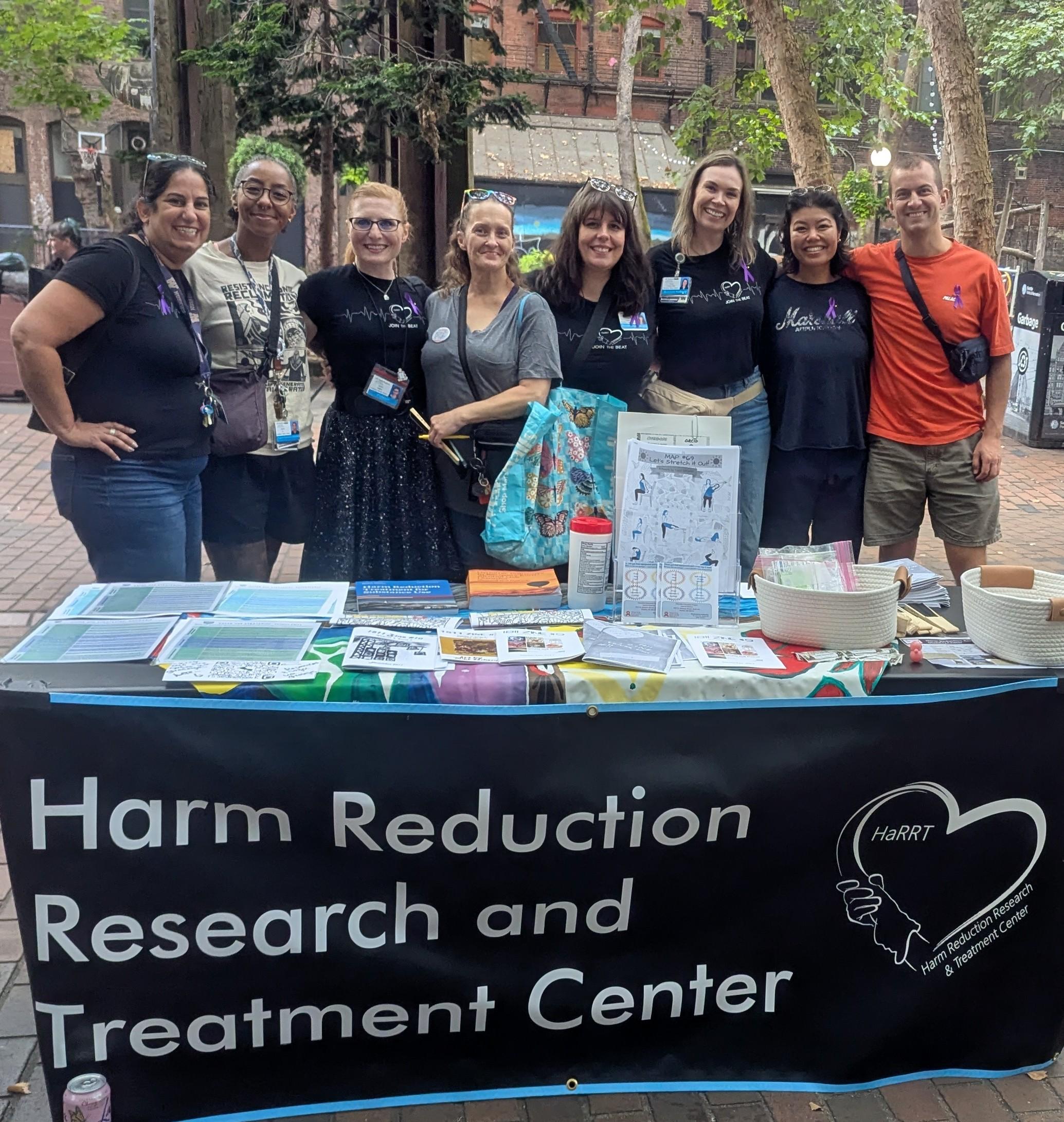
We are standing in solidarity with friends and community during International Overdose Awareness Day at two local events hosted by Vocal Washington and DESC, respectively.
Our Students Presented eHaRT-A Findings!

We are so proud of our student research assistants who created and presented a poster at the UW Undergraduate Research Symposium! Kazu, Rachel, and Ryan (above) did a wonderful job presenting some of our findings from the eHaRT-A Phase 1 data. In short, participants found the eHaRT-A to be feasible, acceptable, and usable. Click the poster below to view a higher definition version. We have taken feedback from these interviews to help further shape the eHaRT-A which is now in the RCT phase.

HaRRT Center at CPA
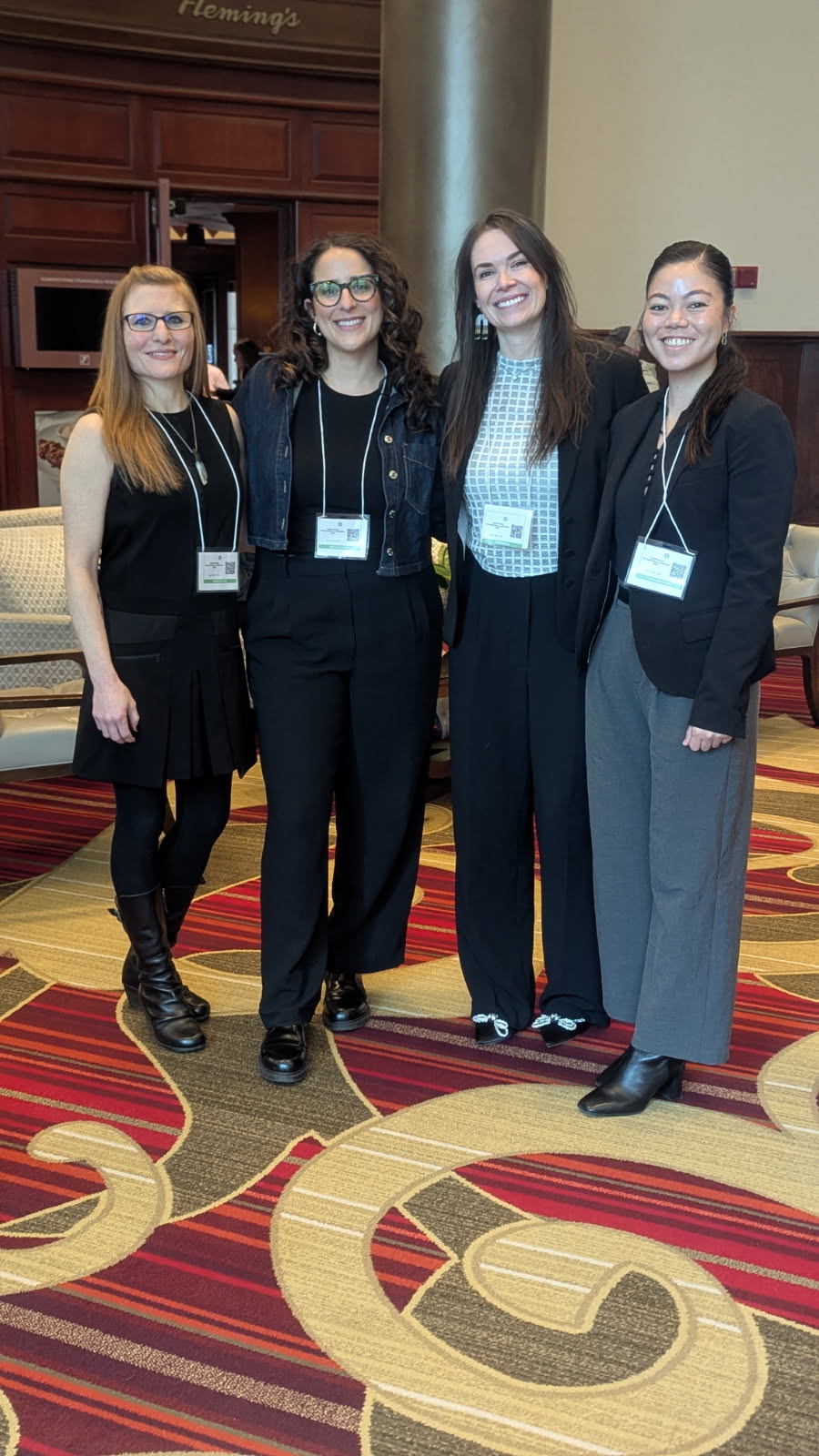
This year some of our HaRRT members were honored to present a symposium at the 2025 Collaborative Perspectives on Addiction (CPA) Conference! We shared our ongoing work with colleagues from all over the US, highlighting how we center lived experience, promote equity, and strengthen the impact of harm reduction interventions by using community-based participatory research (CBPR) methods to advance substance use treatment for minoritized groups. Thanks so much to those who were able to attend, it was a great conference!
New Article Published Online!
Our first CHaRRM-CN article has been published online! This article is a content analysis of perceptions of combined pharmacobehavioral treatment for American Indian people with opioid use disorder (OUD).
You can read the article here: https://depts.washington.edu/harrtlab/wordpress/wp-content/uploads/2025/01/Nelson-et-al-2025.pdf
Harm Reduction Talking Circles Article
The primary outcomes from our Harm Reduction Talking Circles (HaRTC) study have been published in the Journal of Community Psychology! You can read the full article here: https://depts.washington.edu/harrtlab/wordpress/wp-content/uploads/2024/09/Nelson-et-al-2024-hartc.pdf
In summary:
“Although the single‐arm study design precludes causal inferences, participants evinced statistically significant decreases in days of alcohol use and alcohol‐related harm over the three timepoints. Additionally, both sense of spirituality, which is a factor of cultural connectedness, and health‐related quality of life increased over time as a function of the number of HaRTC sessions attended. Virtual HaRTC shows initial feasibility and acceptability as a culturally aligned intervention for AI/AN people with AUD. Future randomized controlled trials will provide a test of the efficacy of this approach.”
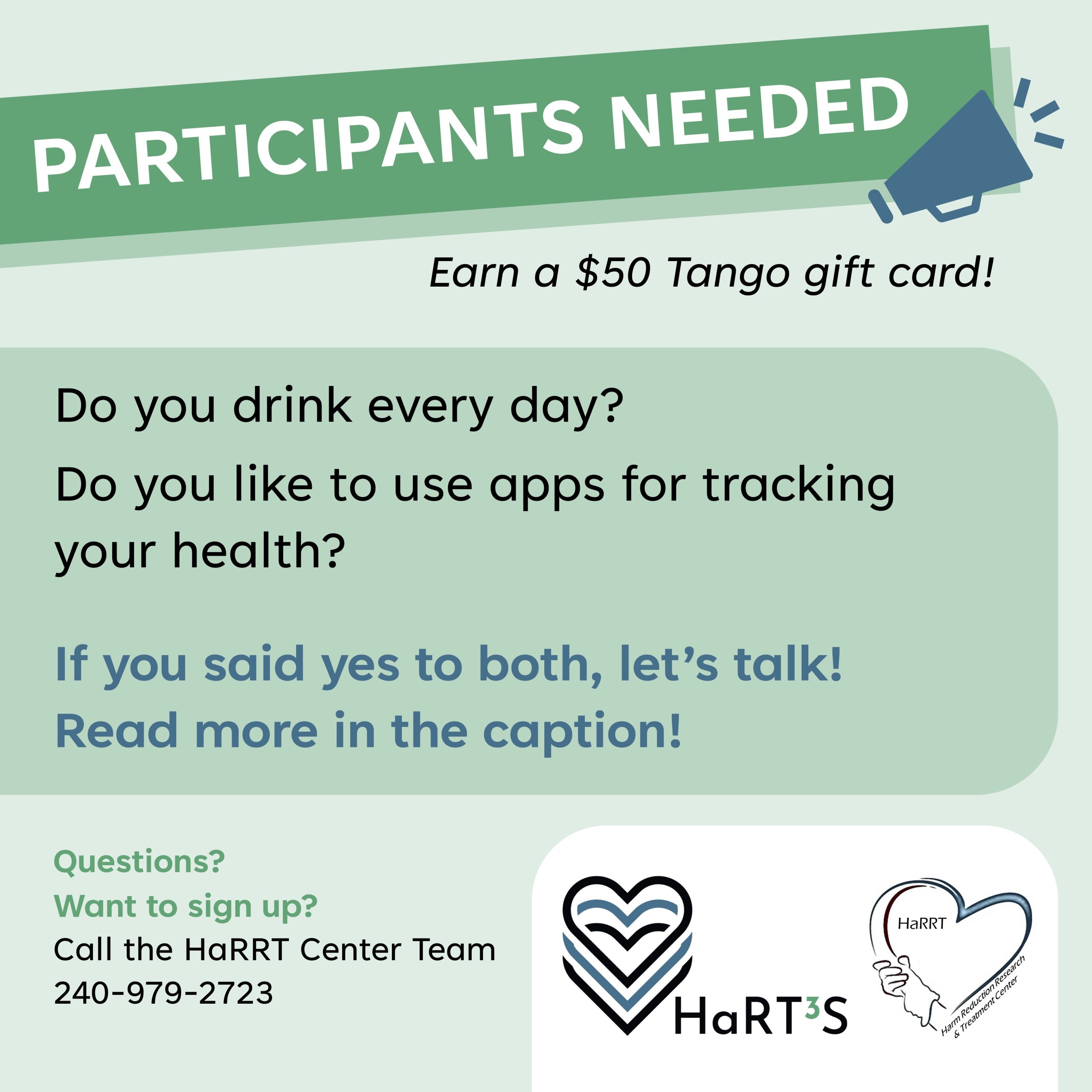
Participants Needed!
UPDATE: We have reached the recruitment quota for this aim of the study. Please keep an eye out for other opportunities!
Hello!
Exciting update! We are happy to report that we will be partnering with Harm Reduction Treatment, Training & Technical Solutions (HaRT3S) to support development of a mobile app version of our Harm Reduction Treatment for Alcohol Use Disorder (mHaRT-A).
The aims of this initial project are:
- Development of the mHaRT-A prototype
- Lab-based usability testing of mHaRT-A
- Feasibility and acceptability field study of mHaRT-A
We are excited to embark on this new project that builds on our strengths and community partnerships, while also pushing us outside our comfort zones in pursuit of more accessible and effective harm reduction treatment options for all!
All the best,
The HaRRT Center Team
Personal Experiences with High-THC Cannabis
Our colleagues at the University of Washington Addictions, Drug & Alcohol Institute (ADAI) have put together some videos from parents, health care providers, and individuals sharing how high-THC products have affected their families, their clients, or themselves.
Check it out here: https://www.learnaboutcannabiswa.org/personal-experiences-high-thc-cannabis