HaRP secondary article published in the Journal of Prevention and Health Promotion

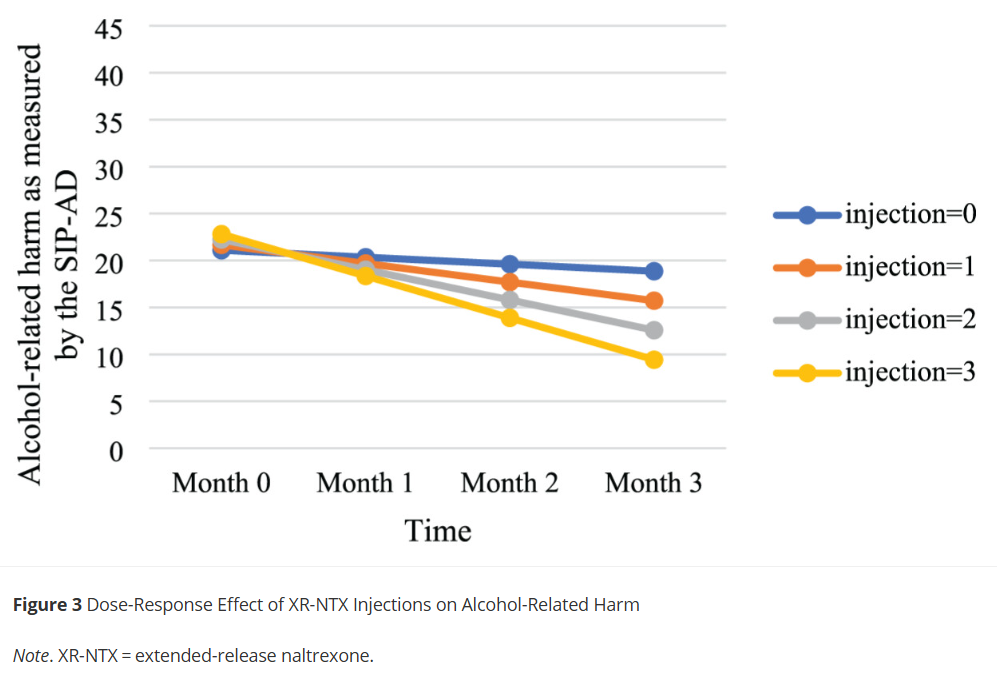
A new study from the HaRRT Center shows that — in the context of harm-reduction treatment — participants who received more XR-NTX injections reduced their drinking and alcohol-related harm over time. Number of counseling sessions delivered an early bump that tapered after the third session.

Here’s the link to the full text: https://journals.sagepub.com/doi/10.1177/26320770261441789

Many thanks to our students!

The HaRRT center came together to celebrate our undergraduate students presenting on the eHaRT-A project at the UW Undergraduate Research Symposium. We have had a great time working on these two projects together over the past year and they did a wonderful job presenting their posters!

Then, to celebrate our graduating seniors and the end of the academic year, we learned more about the history of Seattle at the underground tour with our 499 students and graduate student interventionists.

2nd CHaRRM-CN Article Published Online!


Our second CHaRRM-CN article has been published online at the Cultural Diversity & Ethnic Minority Psychology! This article highlights American Indian tribal citizens’ perceptions of substance-use treatment – with and without medication for opioid use disorder – and community-informed suggestions for its improvement.


Shinagawa, E., Mednansky, S., Nelson, L. A., King, R. J., Taylor, E. M., Blume, A. W., Green, C., Kominsky, T. K., Lincoln, A., CHaRRM-Cn Community Advisory Board, & Collins, S. E. (2025). Content analysis of perceptions of substance-use treatment among American Indian people who have used opioids. Cultural diversity & ethnic minority psychology, 10.1037/cdp0000767. Advance online publication. https://doi.org/10.1037/cdp0000767

Dr. Susan Collins Op-Ed on Involuntary Treatment

In an op-ed in PubliCola, HaRRT Center codirector, Dr. Susan Collins, highlights the importance of defining terms in policy discussions about involuntary treatment. Unlike mandated treatment and other means of coercion, involuntary treatment strips people of their civil liberties, and decades of worldwide research show it precipitates poor treatment outcomes — including relapse, reincarceration, and overdose death. It should remain a treatment of last resort, reserved for rare, life-threatening cases. What needs expansion is a full range of voluntary, evidence-based options — from harm reduction services to inpatient SUD care — that are affordable and accessible to people who use substances and their families.

https://publicola.com/2025/09/25/the-siren-song-of-forced-drug-treatment/
Our Students Presented eHaRT-A Findings!

We are so proud of our student research assistants who created and presented a poster at the UW Undergraduate Research Symposium! Kazu, Rachel, and Ryan (above) did a wonderful job presenting some of our findings from the eHaRT-A Phase 1 data. In short, participants found the eHaRT-A to be feasible, acceptable, and usable. Click the poster below to view a higher definition version. We have taken feedback from these interviews to help further shape the eHaRT-A which is now in the RCT phase.

HaRRT Center at CPA

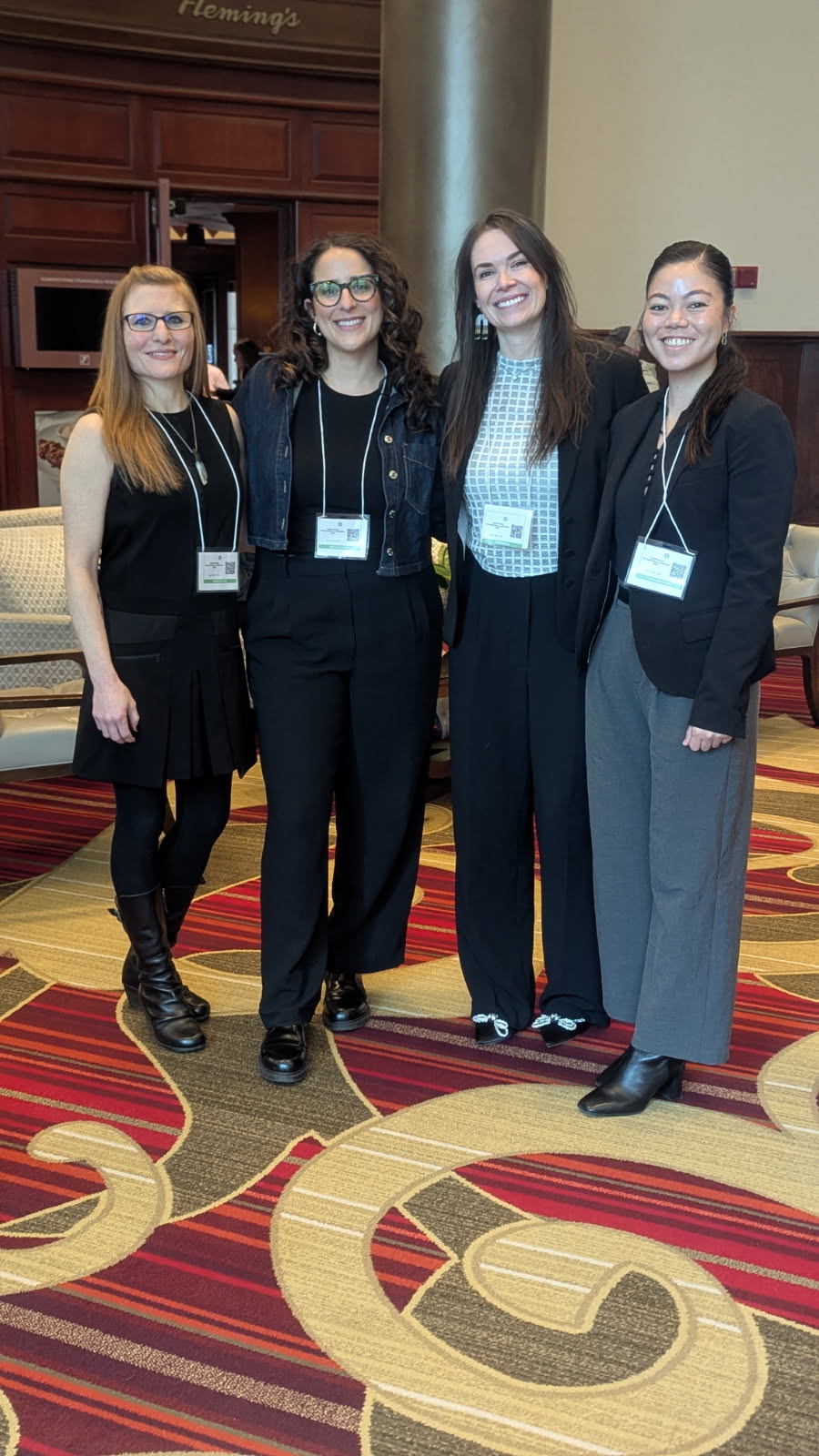
This year some of our HaRRT members were honored to present a symposium at the 2025 Collaborative Perspectives on Addiction (CPA) Conference! We shared our ongoing work with colleagues from all over the US, highlighting how we center lived experience, promote equity, and strengthen the impact of harm reduction interventions by using community-based participatory research (CBPR) methods to advance substance use treatment for minoritized groups. Thanks so much to those who were able to attend, it was a great conference!