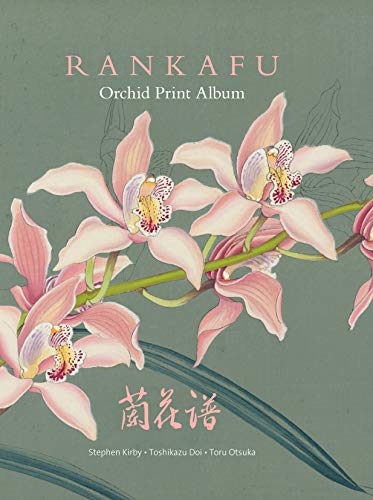
 Japanese horticulture is known for intense specialization with certain plants; chrysanthemums are an example. Less well known is a more recent – less than one hundred years old – infatuation with orchids. Much of this is due to one man, Shataro Kaga (1888-1954), a banker by trade, who established a major orchid nursery at Oyamazaki near Kyoto in the 1920s.
Kaga hired a business partner who was skilled at orchid cultivation, while he concentrated on the promotion of the orchids grown and the hybrids developed at Oyamazaki. For marketing, he turned to the long practiced Japanese art of wood block printing. He was fortunate to find a skilled artist, Zuigetsu Ikeda (1877-1944) who created many watercolor images that were the basis for these prints.
This story and the art are captured in “Rankafu: Orchid Print Album,” a publication by the Royal Botanic Gardens, Kew featuring several authors. They argue that the practice of woodblock art, which has an equivalent form in Europe, reached an epitome in Japan. “The quartet of publisher, artist, carver, and printer all contribute to the quality of the woodblock print. It is rare that these four stars are in such perfect alignment that an exceptional example of this art form is created. The Rankafu woodblock print set is such a type example.”
It took long determination by Kaga to achieve his goal with the dangers for his country during World War II (and to himself, for his quiet opposition to the war). The prints were not issued until 1946 but became prized collector items. In “Rankafu,” the complete set of 83 prints are presented together along with many watercolors by Ikeda that were not developed into woodblocks. It is a beautiful book, but also a fascinating story of the intense, collective effort by many to produce lasting beauty.
Excerpted from the Summer 2020 issue of the Arboretum Bulletin
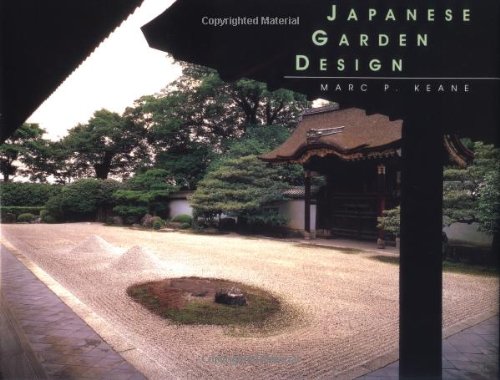 Marc Peter Keane has published several books based on his landscape architecture degree from Cornell University and the 18 years he spent in Kyoto designing gardens. “Japanese Garden Design,” his earliest, has stood the test of time.
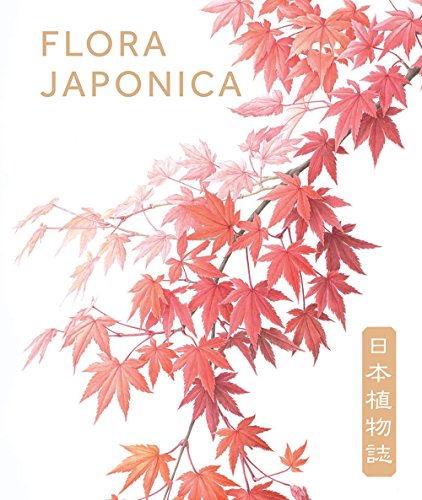 “Flora Japonica,” published by the Royal Botanic Gardens, Kew, is really two books in one. The first part provides a rarely documented history of Japanese botany with an emphasis on the literature and illustration of the native flora. The oldest surviving example dates from 1274 and surprisingly was intended to identify plants used by veterinary surgeons. It is considered to be very comparable to European works of the same era.
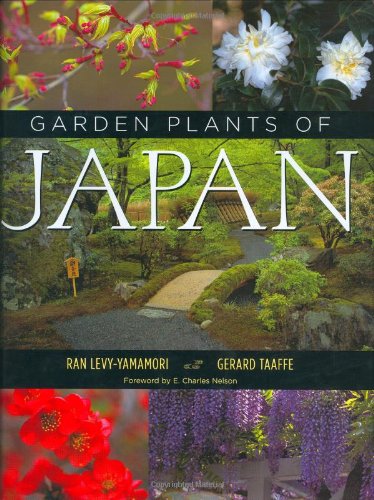 The four main islands of the Japanese archipelago stretch north to south at the same latitudes as from Portland, Oregon to northern shore of the Gulf of California. This range has given rise to a diverse flora including many species found nowhere else. If you include all the small islands, almost one-third of the 5,600 species found in Japan are endemic.
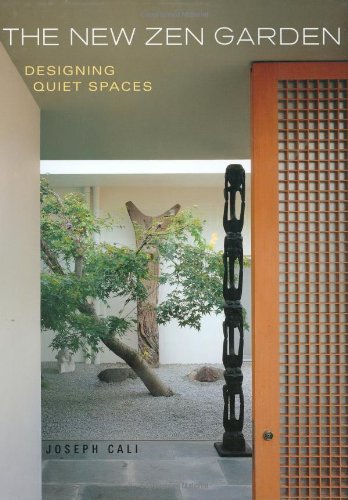 For designing your own space in a Japanese style, consider “The New Zen Garden” by Joseph Cali, an American who lived many years in Japan, using his education as an interior designer. In this book, he urges his readers to treat the garden as an extension of the home’s indoor space, and is very practical and systematic in his advice.
 Yoko Kawaguchi’s book “Japanese Zen Gardens” is excellent source of Japanese gardening history, but with a focus on the dry landscape (kare-sansui) traditions associated with Zen Buddhist temples. These sites bring the history alive with gorgeous photographs by Alex Ramsay and interpretive diagrams. While the dry landscape style may seem static to those outside Japan, Kawaguchi clearly shows an ongoing evolution, including its use for gardens not associated with temples.
 Jake Hobson is a European author who moved to Japan. Although now returned to his native England, he writes “Niwaki: Pruning, Training and Shaping Trees the Japanese Way” from his experience in Japan, including working at an Osaka nursery.
![[Wilding] cover](https://depts.washington.edu/hortlib/graphix/wilding.jpg)
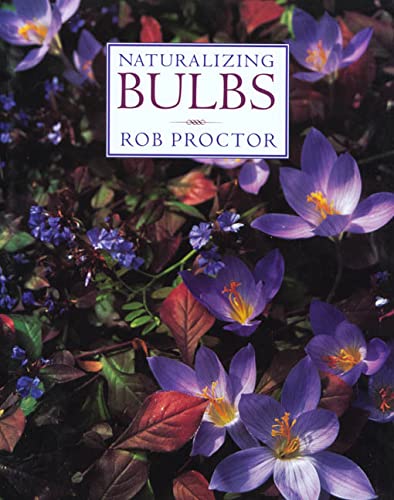 In “Naturalizing Bulbs”, Rob Proctor does not provide the usual alphabetical recital of genus, species and varieties. Instead, he begins with a series of essays on the aesthetics and practicalities of weaving bulbs into the landscape. These chapters both inspire and provide a dose of reality of what works, based on broad climate zones throughout the United States.
![[Olmsted in Seattle] cover](https://depts.washington.edu/hortlib/graphix/OlmstedinSeattlereview.jpg)