 This spring I had the opportunity to visit the Cleveland Botanical Garden. Throughout this small garden are a number of treehouses, delighting the school children with whom I was sharing my visit. After climbing the steps up to one and looking out from this new perspective, I understood their enthusiasm.
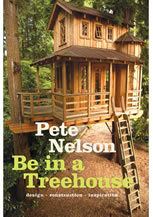
Later, in the Garden’s gift shop, I explored their several books on treehouses. I was surprised to learn that the most prominent author, Pete Nelson, is from the Seattle area. I quickly had his latest book, “Be in a Treehouse” (2014), added to the Miller Library collection.
At its heart, this book is inspirational. Page after page of excellent photographs will bring out your inner child. The author’s images of his own bed and breakfast of treehouses, located near Issaquah, may inspire your next vacation. If you decide to build your own, “Treehouse U” introduces the design and construction principles that one must consider for a structure typically located 10 to 20 feet off the ground and anchored to a living being.
While many of the examples are in the Pacific Northwest, Nelson also explores the world for outstanding and widely varying houses. Ranging from Austria to Zambia, this review demonstrates that almost any climate that has trees is perfect for elevated houses. In describing one favorite masterpiece, now sadly gone, the author declares it “…inspired many of us to reach for the highest branch and build our wildest dreams.”
Published in the August 2016 Leaflet Volume 3, Issue 8.
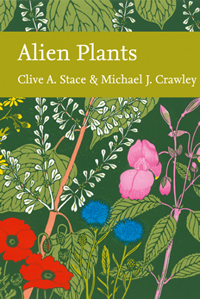 “Alien Plants” is a recent addition to the New Naturalist Library, an ongoing series about natural history in the British Isles. It is also a new addition to the Miller Library. While intended for a general reader, these books provide excellent overviews of the latest scholarly research, especially in the UK.
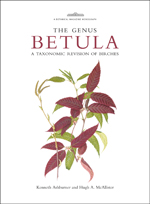
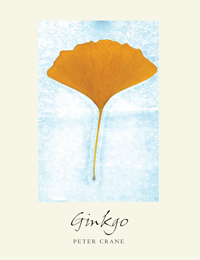
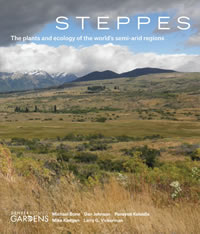 The term “steppes” may conjure up images of Russia and the wide plains of central Asia, but “Steppes: The Plants and Ecology of the World’s Semi-Arid Regions”, a new book published by the Denver Botanic Gardens, brings this exotic image much closer to home.
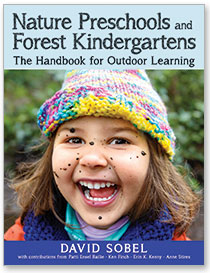 Reading David Sobel’s latest book feels like attending a national conference on outdoor early childhood education. Each chapter draws on the expertise and experience of key decision-makers working with young children in nature programs all over the country. The format also gives a sense of history and progress over time, with Sobel’s journal entries from his work in outdoor education in the 1970s and his personal parenting journals from the 1990s presented alongside his contemporary research and observations from visits to today’s outdoor preschools.