


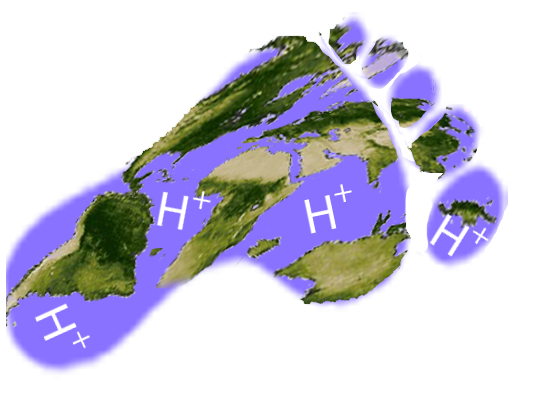
In addition to the famous impacts of atmospheric carbon on global warming, there is an equally worrisome effect of carbon dioxide on the oceans: ocean acidification (or OA for short). Here at I2SEA we have a series of resources about OA, including Our Acidifying Ocean, which is an introductory activity and virtual lab (note: now mobile compatible!).
A student suggested that we start a conversation topic about OA, and here it is! Have you heard about Ocean Acidification? If so, are you worried about it? How do you think we can best raise awareness about it among your fellow students and the general public? Have you seen particularly good links or films about OA that you would like to share? What are you doing to address the problem?
Ocean Acidification >
Ocean Acidification and Clownfish

Human activities have raised the concentration of carbon dioxide in the atmosphere in the 200 years since the industrial revolution started. As a result, the pH of surface ocean waters has dropped by 0.1 pH units. This shift may not seem significant, but since the pH scale is logarithmic, it indicates a 30 percent rise in acidity. The ocean absorbs about 30% of the carbon dioxide produced into the atmosphere. The quantity of carbon dioxide absorbed by the ocean rises when atmospheric CO2 levels rise due to human activities such as burning fossil fuels and altering land usage. Chemical processes occur when CO2 is absorbed by saltwater, increasing hydrogen ion concentration. The ocean and the organisms that reside there are affected by this process. More CO2 is dissolving into the water due to higher carbon dioxide levels in the atmosphere caused by humans. The average pH of the ocean is presently at 8.1, which is ideal, but as more CO2 is absorbed, the pH drops, and the ocean gets more acidic. Many ocean species are already being impacted by ocean acidification, particularly organisms like oysters and corals that make hard shells and skeletons by combining calcium and carbonate from seawater; however, as ocean acidification rises, available carbonate ions bond with excess hydrogen, leaving fewer carbonate ions available for calcifying organisms to build and maintain their shells, skeletons, and other calcium carbonate structures. Shells and skeletons may disintegrate if the pH becomes too low. Non-calcifying species may also be affected by changes in ocean chemistry. In more acidic environments, certain fish, such as clownfish, can detect predators is reduced. Reduced pH levels have been proven to influence the capacity of larval clownfish to find appropriate homes in studies. When these species are threatened, the whole food chain may also be threatened. While certain species will be hurt by ocean acidification, algae and seagrasses may benefit from greater CO2 levels in the water since they, like plants on land, need CO2 for photosynthesis. Furthermore, some current research looks at whether growing seaweed might help prevent ocean acidification.