


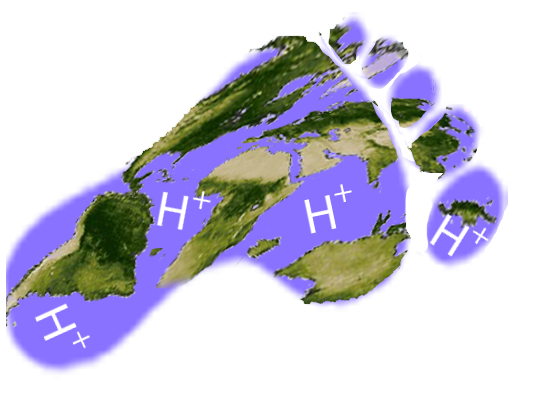
In addition to the famous impacts of atmospheric carbon on global warming, there is an equally worrisome effect of carbon dioxide on the oceans: ocean acidification (or OA for short). Here at I2SEA we have a series of resources about OA, including Our Acidifying Ocean, which is an introductory activity and virtual lab (note: now mobile compatible!).
A student suggested that we start a conversation topic about OA, and here it is! Have you heard about Ocean Acidification? If so, are you worried about it? How do you think we can best raise awareness about it among your fellow students and the general public? Have you seen particularly good links or films about OA that you would like to share? What are you doing to address the problem?
Ocean Acidification >
Ocean Acidification

The average acidity of the ocean, or its concentration of hydrogen ions, has intensified by .1 on the logarithmic pH scale since the start of the industrial revolution, meaning that the ocean’s acidity has raised by 30%. This is due to a phenomenon called ocean acidification, where the ocean absorbs carbon dioxide from the atmosphere (about 30% percent of the total amount of CO2 in the atmosphere), causing the CO2 molecules to react with water to create carbonic acid, which then breaks into bicarbonate ions and acidic hydrogen ions. While the current ocean pH level is 8.1, it is expected to be at 7.8 by the end of the century if no changes to our carbon emissions are made. This will gravely disrupt ocean life and aquatic food chains.
I recently found an article about how growing sea plants can aid in the slowing down of ocean acidification. Marine ecologist George Waldbusser and his crew went on a boat tour in Netarts Bay while planting baby oysters to see how they would survive. Only those shielded by eelgrass beds were able to flourish; the eelgrass appeared to absorb enough carbon dioxide at the height of each day to provide the oysters with a reprieve from the acid and a window of opportunity for growth. Waldbusser claims that "little anything outside of those beds survived." Waldbusser is a member of a small group of researchers that are investigating the possibility that seagrasses, kelps, and shell beds could help suffering creatures by reducing the impact of local hotspots' increasing ocean acidity. This idea is part of a type of Geo-engineering, which has brought about proposals to soak up the ocean’s excess acid by throwing iron, limestone, or olivine into the water, boosting plankton growth, adding the building blocks for shells, or chemically absorbing CO2.