


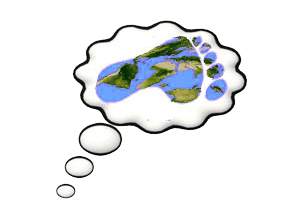
Students from around the world calculated their class mean and standard deviations for their footprints and posted them on our world map.
Do you see differences across the globe? If so, why do you think those differences exist?
Did you use the calculator to try to reduce your footprint down to the average from a citizen of another country? What changes would you have to make to lower your footprint in this way? Are you going to try and take some of these actions in your daily life?
Student Footprints >
Small Things That Can Help Save The World

Although climate change may feel like a monster we've unleashed and can't control, it's actually quite simple to fight climate change from the safety of your own home. You can do things like:
-unplugging your phone or laptop after it's charged
-turning off a desktop PC or a console after you're done with it
-turning the faucet off when it's just running into the sink
-unplugging speakers to avoid damaging them (yes, this can damage your speakers)
-unplugging Christmas lights
-unplugging guitar amps (leaving them plugged in and on can trip a breaker in your breaker box)
If it's plugged into the wall and you don't need it, then unplug it.
I agree with you 100% all of these are solid solutions to save energy! But there are many more ways to reduce our footprint!
Our purchases are another contributing factor to global warming. Buying locally sourced food with minimial packaging can help reduce your carbon footprint. To your list, I would add:
-avoid buying (plastic) bottles of water
-bring reusable bags when shopping
-try making local purchases as opposed to over the internet, as this increases transportation and gas usage
-buy locally sourced food—this helps support local farmers while reducing transportation costs

I agree with you totally. The world wouldn't be so polluted if people would save energy and if they didn't leave the faucet running. Example
-don't leave the faucet running
- turn your tv off when your not using it