


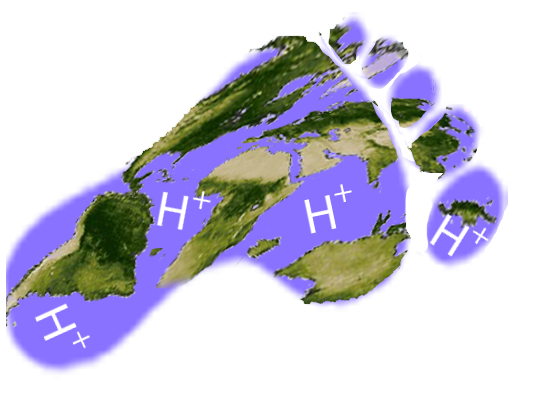
In addition to the famous impacts of atmospheric carbon on global warming, there is an equally worrisome effect of carbon dioxide on the oceans: ocean acidification (or OA for short). Here at I2SEA we have a series of resources about OA, including Our Acidifying Ocean, which is an introductory activity and virtual lab (note: now mobile compatible!).
A student suggested that we start a conversation topic about OA, and here it is! Have you heard about Ocean Acidification? If so, are you worried about it? How do you think we can best raise awareness about it among your fellow students and the general public? Have you seen particularly good links or films about OA that you would like to share? What are you doing to address the problem?
Ocean Acidification >
Effects of Increase Use of Carbon Dioxide on Oceans

Although people focus mostly on the global climate changes from the incline of carbon dioxide in the atmosphere, most people forget the issues of ocean acidification on the marine ecosystems. According to Pacific Marine Environmental Labroatory, the biproducts of carbon dioxide with water and a carbonate ion form as two bicarbonate ions and an increase in acidity. Since the diffusion of carbon dioxide in water creates calcium carbonate, calcifying species like shellfish utilize the calcium carbonate as the layerings of skeletons, yet they require a certain acidity to develop their skeletons. From humans' incline of carbon-based fuels within the last 200 years, the carbon dioxide diffusion into water increased dramatically as the pH balance of oceans diminished by 0.1 (the oceans are 30% more acidic) and will continue until they are 150% more acidic by the 22nd century. Despite the prosperity of marine plants, the excess carbon dioxide in the oceans and acidity will induce the decay of numerous species of shellfish like oysters, which currently experience failure in repro duction, and other marine life sensitive to the acidity of oceans. Ecosystems will crumble with more species fading into history as the dying species that relied on shellfish for consumption and coral reefs for habitats cannot adapt to the sudden decrease of these essential organisms. The displacement of other organisms may increase competition in nearby communities until life within the proximity cannot be supported by the organisms. Humanity still can preserve the wildlife and cleanliness of the oceans if students inform the public the cost of fossil fuels, coal, and natural gases on all aspects of Earth, not just the atmosphere and polar ice caps. https://www.pmel.noaa.gov/co2/story/Wha … ication%3F