


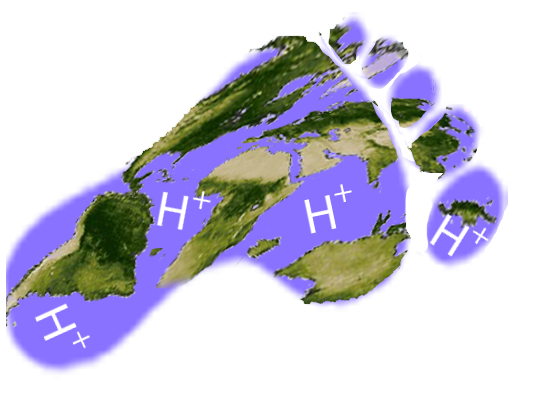
In addition to the famous impacts of atmospheric carbon on global warming, there is an equally worrisome effect of carbon dioxide on the oceans: ocean acidification (or OA for short). Here at I2SEA we have a series of resources about OA, including Our Acidifying Ocean, which is an introductory activity and virtual lab (note: now mobile compatible!).
A student suggested that we start a conversation topic about OA, and here it is! Have you heard about Ocean Acidification? If so, are you worried about it? How do you think we can best raise awareness about it among your fellow students and the general public? Have you seen particularly good links or films about OA that you would like to share? What are you doing to address the problem?
Ocean Acidification >
The Effects on our Ecosystem

The ecosystem of the earth is greatly connected. Every action has reactions. Because of this, global warming is not an isolated incident. Acidification of the oceans and the global increase in temperatures are both directly correlated. If we continue to let ocean acidification continue, it is likely that we will lose coral reefs and keystone species. These both are imperative to their ecosystems, and losing them will cause a massive wave of disruption through the species of the earth. Even humans are not above the effects of their actions.
I agree with @theozusabod7ab because the acidification of oceans can be a huge issue. First of all, high percentages in certain region of oceans can kill of marine life. This can become catastrophic because in some regions of the world, the diets of people are dependent upon animals in the ocean, and if they die off, these people have nothing to eat. According to an article about Ocean Acidification by the National Geographic magazine, oceans have absorbed around 50% of the carbon dioxide put into the atmosphere by humans. The acidity levels towards the top of the acid oceans is the cause for some birth defects in fish and breaking down of homes of marine life. According to the same article, the ocean absorbs approximately 22 million tons of carbon dioxide a day. This conveys that people’s choices can have a huge impact on the lives of other species.
Another worry alongside the ocean constantly absorbing more and more carbon dioxide from the atmosphere is that eventually it will stop being able to serve as a carbon storehouse. This means once the ocean has ab sorbed all it can, the carbon will be stuck in the atmosphere, trapping more heat and gases in the atmosphere, promoting more severe climate changes and global warming. This implies that humans need to take control of our fossil fuel emissions or else we will be paying for it. Also, when the the temperature of the earth increases, freshwater sources (glaciers) begin to melt at a fast pace. Extreme climate and weather could lead to the loss of lives and supplies meaning we need to make a change now. A way to do this, firstly, would be to make sure you are aware of your effects on the environment and how you can change your daily habits for the better.

I agree that global warming results in an increased amount of carbon dioxide in our oceans. CO2 released into the atmosphere dissolved into the ocean waters. This lowers the pH of the water, making it more acidic, which severely harms sea life. The increased acidity erodes coral in reefs, which is fatal many species of sea life. According to National Geographic’s “The Acid Sea” 40% of all fish species are born in coral reefs. With coral reefs shrinking, there are less places for fish birth. Furthermore, some areas of the ocean are so acidic that the only species able to survive are algae, jellyfish, and seaweed. The effects of increased pH levels due to carbon dioxide is destroying sea life.
This issue must be addressed, and people need to come together to help save sea life, and ourselves. People who rely on the ocean for food may not be able to find it. While there is no known way to reverse the acidity in the sea, there are ways to slow the process of making it more acidic. This can be done by reducing the amount of carbon dioxide you released into the air. There are many inexpensive, easy ways to achieve this. They include, using temperature control less. To do this simply put on extra clothing or a blanket to stay warm instead of turning on the heat. This also saves money because you do not have to pay for the heat. This is one of many ways to lower to amount of CO2 produced and the results of it.
The Acid Sea: http://ngm.nationalgeographic.com/print … lbert-text