


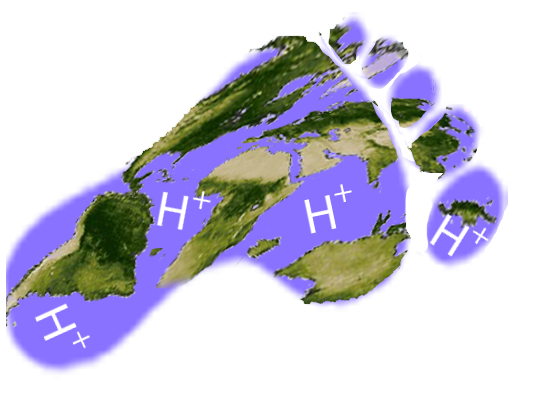
In addition to the famous impacts of atmospheric carbon on global warming, there is an equally worrisome effect of carbon dioxide on the oceans: ocean acidification (or OA for short). Here at I2SEA we have a series of resources about OA, including Our Acidifying Ocean, which is an introductory activity and virtual lab (note: now mobile compatible!).
A student suggested that we start a conversation topic about OA, and here it is! Have you heard about Ocean Acidification? If so, are you worried about it? How do you think we can best raise awareness about it among your fellow students and the general public? Have you seen particularly good links or films about OA that you would like to share? What are you doing to address the problem?
Ocean Acidification >
Can supercharged corals beat climate change?

In the tropical, sunny islands of Hawaii stands an island different from the rest; Coconut Island is a small island off the coast of Oahu. The island is surrounded by coral reefs. Ruth Gates, a biologist who has studied reefs for 30 years aims to produce corals tough enough to survive in increasingly unfavorable living oceans. Her goal is to selectively cross breed the healthiest specimens. Ruth states by all the end of her work she intends to have a significant stockpile of highly resilient coral strains and a plan in place to use them to restore completely denuded and partially damaged reefs in Hawaii and Australia. One major threat to reefs is bleaching; coral have microscopic plants that produce food and give it to the coral, however due to the extensive amount of climate change the coral becomes stressed and releases algae producing a white color on the coral’s layers. The project Ruth aims for is to harness this natural variability in resilience. There are 5 steps to successfully produce supercharged corals to beat climate change. First is to selectively breed the healthier and stronger corals. Secondly Ruth and her crew will condition the corals to make them more resilient to stress. Thirdly they will feed and take care of the coral using high-performing algae that will feed the corals more effectively. Fourthly Ruth’s collaborator, Madeline van Oppen will be hybridizing corals. After completing these steps the fifth and final step is migrate strong and healthy corals to weaker environments, so they can reproduce with the existing population. In conclusion Ruth Gates and many other scientists plan to change the world one coral at a time.