


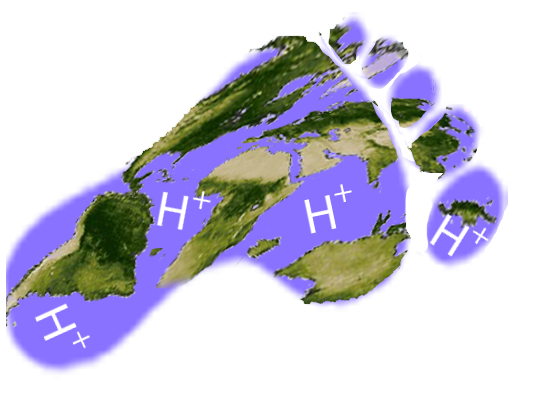
In addition to the famous impacts of atmospheric carbon on global warming, there is an equally worrisome effect of carbon dioxide on the oceans: ocean acidification (or OA for short). Here at I2SEA we have a series of resources about OA, including Our Acidifying Ocean, which is an introductory activity and virtual lab (note: now mobile compatible!).
A student suggested that we start a conversation topic about OA, and here it is! Have you heard about Ocean Acidification? If so, are you worried about it? How do you think we can best raise awareness about it among your fellow students and the general public? Have you seen particularly good links or films about OA that you would like to share? What are you doing to address the problem?
Ocean Acidification >
Ocean Acidification is bad

As CO2 levels rise, the levels of acid in the ocean, negatively affecting millions of organisms living in the ocean. Ocean Acidification especially affects certain organisms called Calcifiers. Calcifiers are organisms that have an outer shell made of calcium as protection. The most abundant Calcifiers are shellfish. Ocean Acidification is killing millions of Shellfish by dissolving the calcium shell they depend on for protection. Due to Ocean Acidification, the population of Shellfish has seen a steep decline over the past ten years.

I agree, that the calcium in the water is dissolving calcifiers shells. This is important because calcifiers are important organisms and the increase of carbon dioxide in the waters is killing them at a very fast rate.
I agree with what you say, this is a huge problem. With all of this CO2 in the water lots of animals are having to migrate and many will increase to die.
Not only will it affect the population of shellfish, the predators that consume shellfish will have problems. Birds, otters, seals, whatever eats shellfish will starve, and predators who eat birds and seals, like orcas, will run out of a food supply. Ocean acidification affects whole ecosystems of animals, whether directly or indirectly.
I agree that as the amounts of CO2 levels rise it does affect the oceans, in a negative way. I also agree that this is very negative for calcifiers, as the CO2 is dissolving the calcium, which they need to survive.
I agree, as more CO2 gets absorbed by the ocean, more and more animals will be harmed. The calcifiers need calcium and with the increasing levels of CO2, it is being dissolved. This affects not only the calcifiers and shellfish but their predators that eat them, throwing off the whole food web and ecosystem.
I agree that the more the CO2 rises the more animals will be affected. When it enters the water the calcium in them goes down and the shells start to dissolve and this then messes up the whole system.
That is why we really need to make more efforts to slow down ocean acidification. It will not only affect the food chain in the ocean but also fishing industries, markets, jobs, and people's welfare.
Wow, Claude, this is very interesting. How does the number of shellfish correlate to the amount of carbon we emit? And what can we do to lessen our footprint? The ocean is a huge CO2 sink, but at what cost? and lastly, how does this affect all life in the ocean, as well as on land?
I can't believe how bad ocean acidification is. It is killing so many of the ocean's wildlife. CO2 levels rising isn't just happening, it has to be from human causation. I agree with everything this post says about the horrible process caused from carbon.
I agree there is a negative impact on the organisms and ocean If nothing is done different species will suffer and decrease in population and head closer to extinction. I just hope that everyone realizes this and take action before any of the existing species face extinction.
I agree that this is a negative impact on this species. If this keeps happening this species could become extinct which is why we should do something about this.