


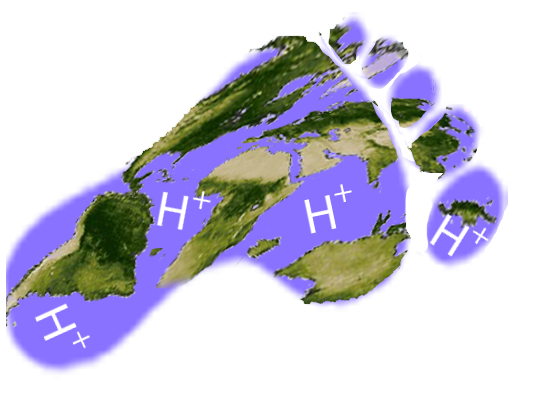
In addition to the famous impacts of atmospheric carbon on global warming, there is an equally worrisome effect of carbon dioxide on the oceans: ocean acidification (or OA for short). Here at I2SEA we have a series of resources about OA, including Our Acidifying Ocean, which is an introductory activity and virtual lab (note: now mobile compatible!).
A student suggested that we start a conversation topic about OA, and here it is! Have you heard about Ocean Acidification? If so, are you worried about it? How do you think we can best raise awareness about it among your fellow students and the general public? Have you seen particularly good links or films about OA that you would like to share? What are you doing to address the problem?
Ocean Acidification >
Ocean Acidification and Carbon

Although many people know about the direct effects of excess carbon emissions, such as global warming, it is easy to forget that it has indirect consequences too. One example of this is ocean acidification. Scientists thought that it was beneficial for the ocean to remove a greenhouse gas from the atmosphere. According to NOAA, the ocean absorbs about a quarter of the CO2 we release into the atmosphere every year. But in actuality, carbon can be harmful to the ocean.
When carbon is released into the environment, it is absorbed into oceans. So when we release too much carbon by burning fossil fuels, a lot of it is absorbed into the oceans. The oceans need carbon to support life in some amounts, but too much makes imbalances. One example of this is the impact on the skeletons of some marine life. Some animals use carbon to form their skeletons. The carbon levels increase ocean acidity. Weak skeletons in coral or animals can make for problems in the ecosystem; if one part of the environment is off balance they all are, as each aspect relies on another.
The Earth works in cycles, so if one thing in the ocean is affected by carbon, we will be too. This is why it is important that we do not rely on Earth to "fix itself," and solve the problems we have created. Assuming it will find ways to manage our excess carbon is irresponsible because our planet is not equipped to solve problems it did not cause. According to an article in Smithsonian Ocean, in the past 200 years, ocean water has become 30 percent more acidic. This is the fastest change in ocean chemistry in the last 50 million years, showing we must act now to fix the planet.

Wow, what an informative post about ocean acidification. I have never looked into that before, maybe a video or short film maybe be more informative? I would greatly appreciate if you could provide me with one. The Smithsonian wrote an article explaining ocean acidification more in depth and stated that "A more acidic ocean won’t destroy all marine life in the sea, but the rise in seawater acidity of 30 percent that we have already seen is already affecting some ocean organisms." meaning that soon the everyday population will be able to tell that the oceans are greatly affected. Another reason our carbon footprint is because of the stunted coral growth happening right now. The article implied that in the year 2080, coral will be eroded because of the acidity faster than it can regrow. Lastly, a more acidic water can "mess with fishes minds" meaning their health and balance will be off, resulting in a lower fish population.
https://ocean.si.edu/ocean-life/inverte … dification
You bring up great points and I agree with everything you say. Ocean acidification is a giant problem that goes mostly overlooked. Only recently have people discussed the issue. The ocean provides us with so many things we need for life, such as oxygen and food. To harm to ocean through acidification is to harm ourselves. People need to raise awareness regarding ocean acidification to show people how large of a problem it is.