


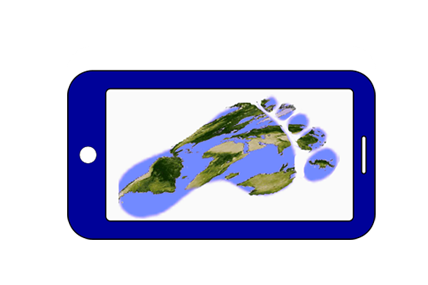
Is having the latest technology a want or a need?
How often do you get a new cel phone or mp3 player? Did you really need a new model? Do you consider the environmental impact of these purchases? If you are addicted, how can you break your addiction?
Wants or Needs? >
Wants or Needs?

All around the world, many people use cell phones on a regular basis. According to cia.gov, there are approximately 7.81 billion cellular phone subscriptions in the world as of 2017. Out of all the phone subscriptions, about 400,000 are from the United States alone. Technology, especially mobile phones, continue to grow in popularity as time goes on, but is this growth beneficial to us? Researchers from the London School of Hygiene & Tropical Medicine at Queen Mary, University of London found that one in six cell phones is contaminated with some sort of fecal matter. Cell phone are a huge factor contributing to the spread of germs, as bacteria builds up on the phones surface during everyday use, which is spread as the phone comes into contact with people and other surfaces. As well as phones contributing to the spread of germs, they also contribute to multiple traffic hazards. A study by the Centers for Disease Control and Prevention, found 69% of drivers in the United States ages 18-64 reported that they had talked on their cell phone while driving and 31% reported that they had read or sent text messages or email messages while driving at least once within the 30 days before they were surveyed. Cell phones were a common factor contributing to distracted driving among a wide range of ages. The Centers for Disease Control and Prevention also released a study stating approximately 9 people are killed and more than 1,000 injured in crashes that are reported to involve a distracted driver. Cell phones have continued to contribute to traffic hazards, which in some cases have lead to death. Finally, cell phones strain your eyes, which leads to eye redness or irritation, dry eyes, blurred vision, back pain, neck pain, and headaches. According to The Vision Council, more than a third of U.S. adults reported spending four to six hours a day with digital media or related electronic devices, such as cell phones. This is an excessive amount of time to spend on your phone, considering it is medically recommended to spend under two hours a day on your phone. I am not encouraging we outright stop using mobile devices, but I do think we should consider limiting the amount of time we spend on them for ours and others benefit.