


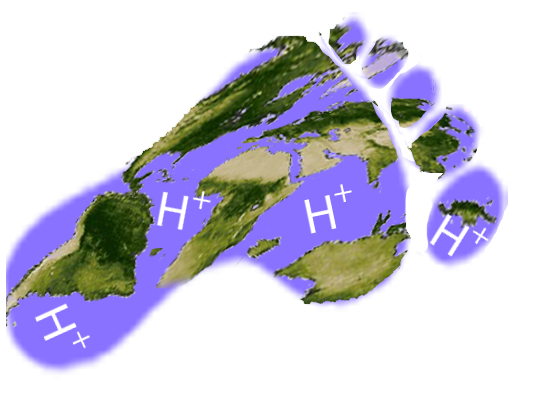
In addition to the famous impacts of atmospheric carbon on global warming, there is an equally worrisome effect of carbon dioxide on the oceans: ocean acidification (or OA for short). Here at I2SEA we have a series of resources about OA, including Our Acidifying Ocean, which is an introductory activity and virtual lab (note: now mobile compatible!).
A student suggested that we start a conversation topic about OA, and here it is! Have you heard about Ocean Acidification? If so, are you worried about it? How do you think we can best raise awareness about it among your fellow students and the general public? Have you seen particularly good links or films about OA that you would like to share? What are you doing to address the problem?
Ocean Acidification >
Ocean Acidification Cause and Effects

The central cause of ocean acidification is climate change and the rise of carbon dioxide. When carbon dioxide levels rise in the atmosphere, more carbon is taken into the ocean, reacting with water and creatic carbonic acid, which lowers the pH of the ocean.
A major effect of ocean acidification was on ocean animals such as coral, shellfish, and mollusks. They used calcium carbonate to strengthen their shells and outer coatings. With a dropping pH, there are less carbonate ions, meaning that the animals began to suffer with weak shells that are less protected and prone to breakage.
Even animals that don't utilize calcium carbonate suffer from lower metabolism because they are not used to the dramatic decrease in pH. Their functions are slowed, and the ecosystems become less cohesive and enforced.
The most impactful think people can do to stop this from happening is to lower carbon emissions, which will not only stop these ecosystems from falling apart, but will also lower the harmful effects of climate change for people, animals, and the environment.