PacTrans News
-
January 22, 2016
PacTrans Technology Transfer Success Story 2015 #3: Washington Legislators Passed Bill 1695 based on PacTrans Researchers’ Findings

Investigators: PI Haifang Wen (WSU), David McLean (WSU), Spencer Boyle (WSU), Timothy Spry (WSU), Danny Mjelde (WSU)
-
January 22, 2016
PacTrans Technology Transfer Success Story 2015 #2: Greenroads Bootcamp
-
January 22, 2016
PacTrans Technology Transfer Success Stories 2015 #1: Unmanned Aircraft Assesses Landslides

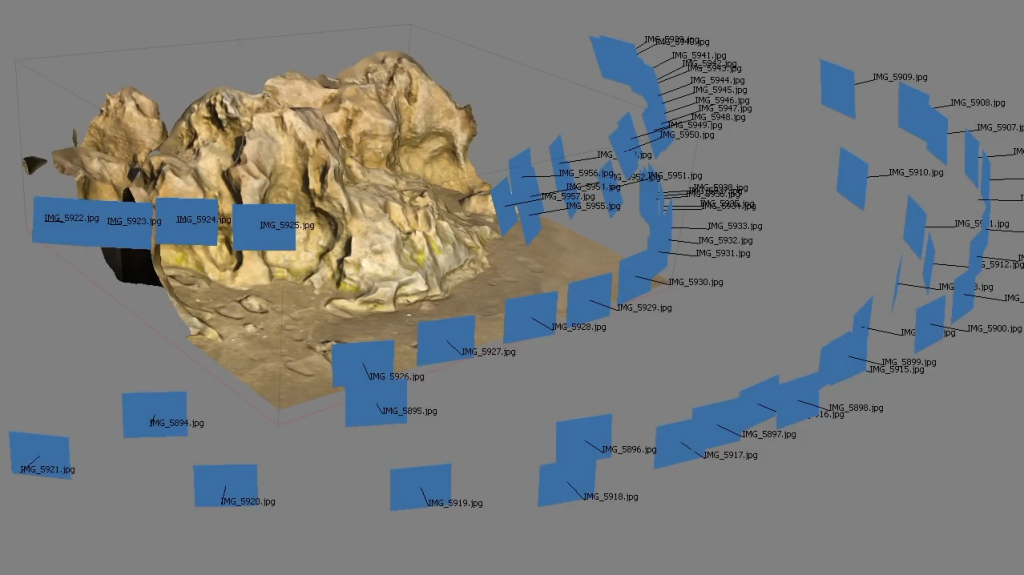
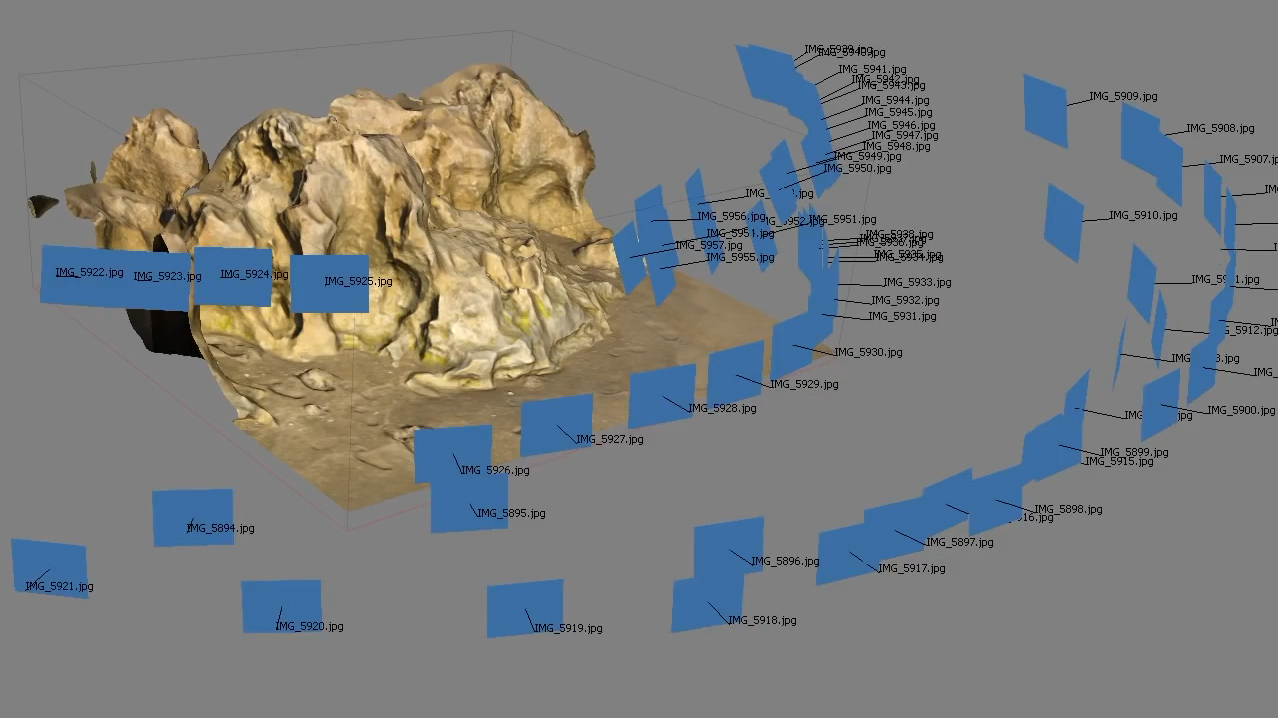
Investigators: PI Keith Cunningham (UAF), Co-PI Michael Olsen (OSU), Co-PI Joe Wartman (UW)
-
January 21, 2016
Researchers from PacTrans Test the Feasibility of Utilizing Bluetooth and Wi-Fi Sensing from Mobile Devices for Better Data Collection Methods
When engineers build transportation forecasting models, the traditional process involves four steps:
- Trip Generation – predicts the number of trips originating in or destined for a particular traffic analysis zone
- Trip Distribution – matches tripmakers’ origins and destinations to develop a “trip table”, a matrix that displays the number of trips going from each origin to each destination. Historically, this component has been the least developed component of the transportation planning model.
- Mode Choice – analysis allows the modeler to determine what mode of transport will be used, and what modal share results
- Route Assignment – concerns the selection of routes (alternative called paths) between origins and destinations in transportation networks
Once the engineer has complete these steps, they can build an invaluable forecast to guide policy, planning, and infrastructure development surrounding our transportation systems. Read More
-
January 21, 2016
PacTrans Researchers Works on Recycling Scrap Fiber into Permeable Pavements Sponsored by Boeing
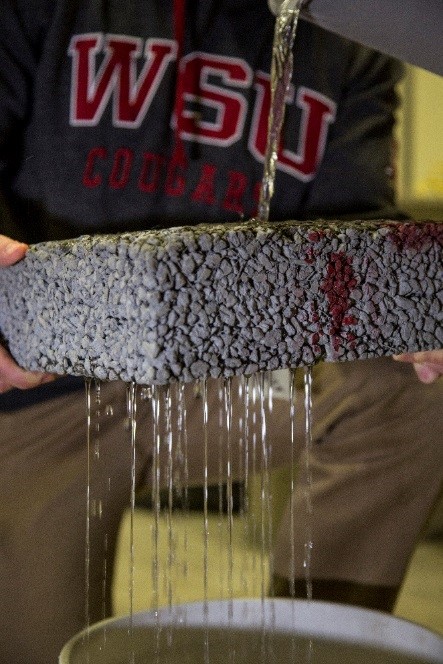
In his paper titled, Paving Paradise: The Peril of Impervious Surfaces, Lance Frazer eloquently articulates just how much of our country consists of impervious surfaces: “In the United States alone, pavements and other impervious surfaces cover more than 43,000 square miles—an area nearly the size of Ohio.” Read More