Skip to content

Wake Up Call for and from the Global South
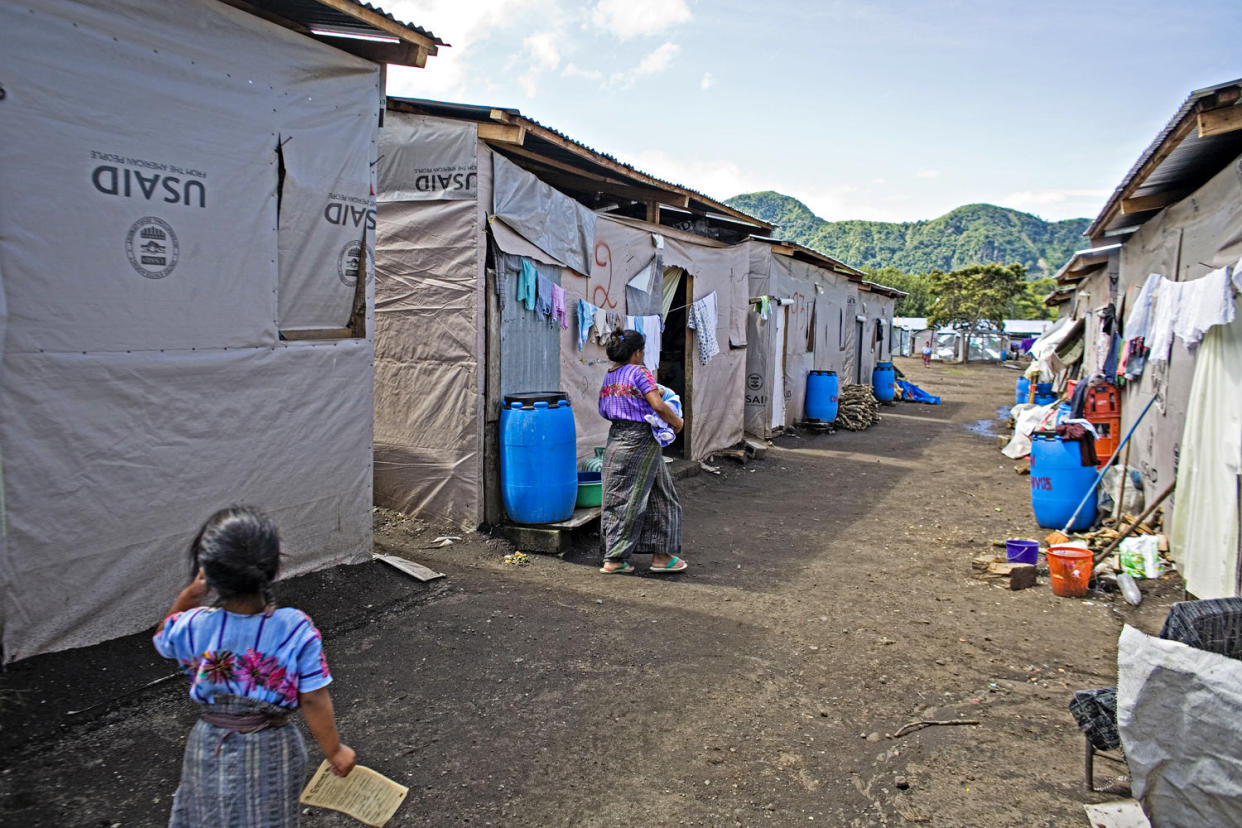
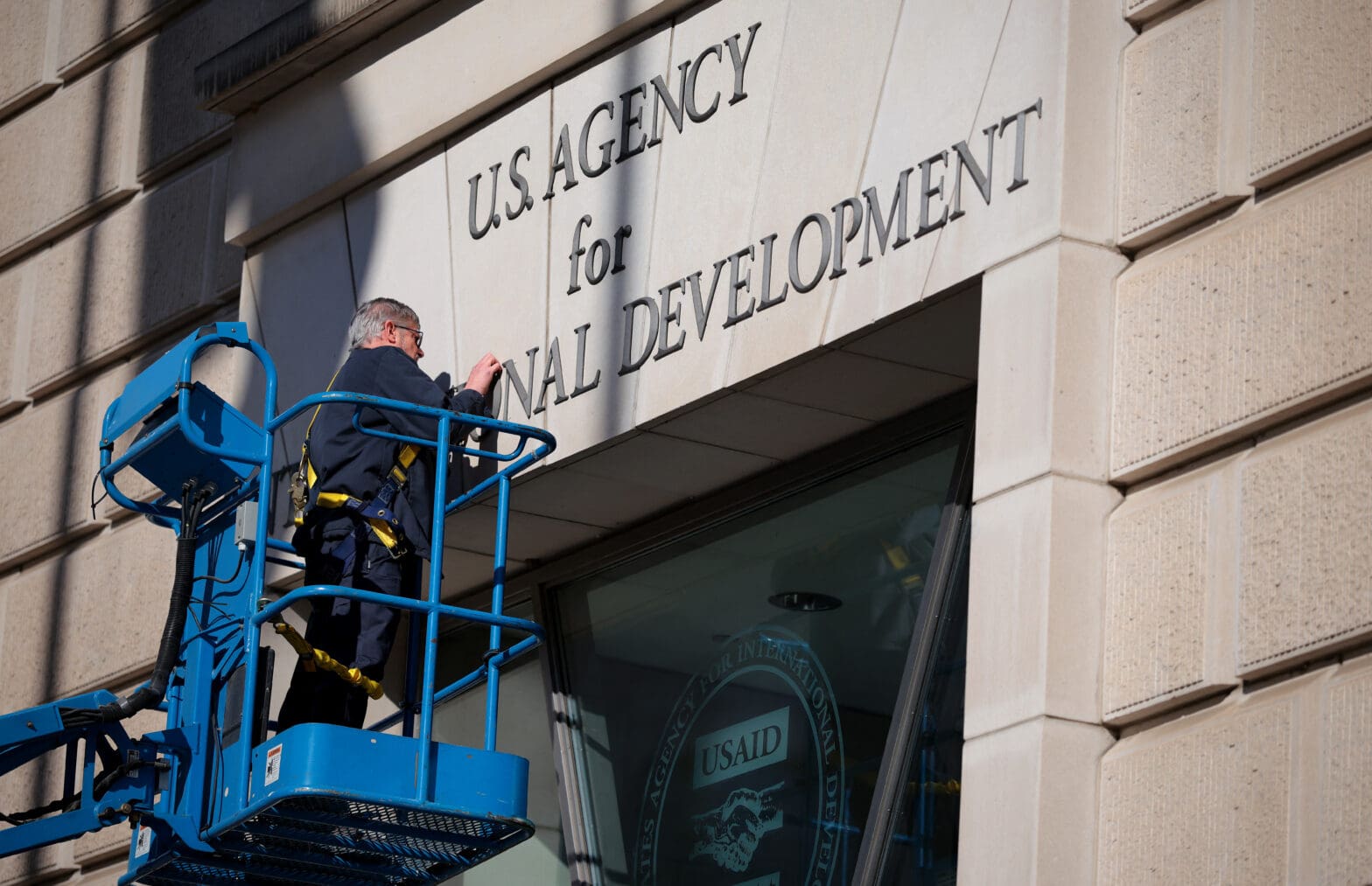
The withdrawal of U.S. foreign aid since the sudden freeze in January 2025 has underscored the need for a paradigm shift in global health, particularly in Africa, where communities have long been depicted as passive recipients of foreign assistance. Many people in Africa have played a crucial role in advancing HIV treatment, from early studies on antiretroviral therapy to recent innovations in long-acting injectable drugs for prevention. Despite their contributions, they are often the last to benefit from these advancements….

Global Health Catastrophe from 2025 U.S. Foreign Budget Freeze

The Trump administration’s 90-day freeze in January-March 2025 on U.S. foreign aid has blocked billions of dollars in funding for global health initiatives, including contraceptives, climate justice, HIV, and TB. The U.S. allocated $63.1 billion for foreign assistance in Fiscal Year 2024, with $10.5 billion for humanitarian aid and $4.1 billion for global health efforts. The freeze disrupted the continuity of essential health services, placing vulnerable populations at risk. Impacts on African Countries The freeze on U.S. foreign aid has…

Climate mortality: From rural Indian Women to Seattle’s homeless men

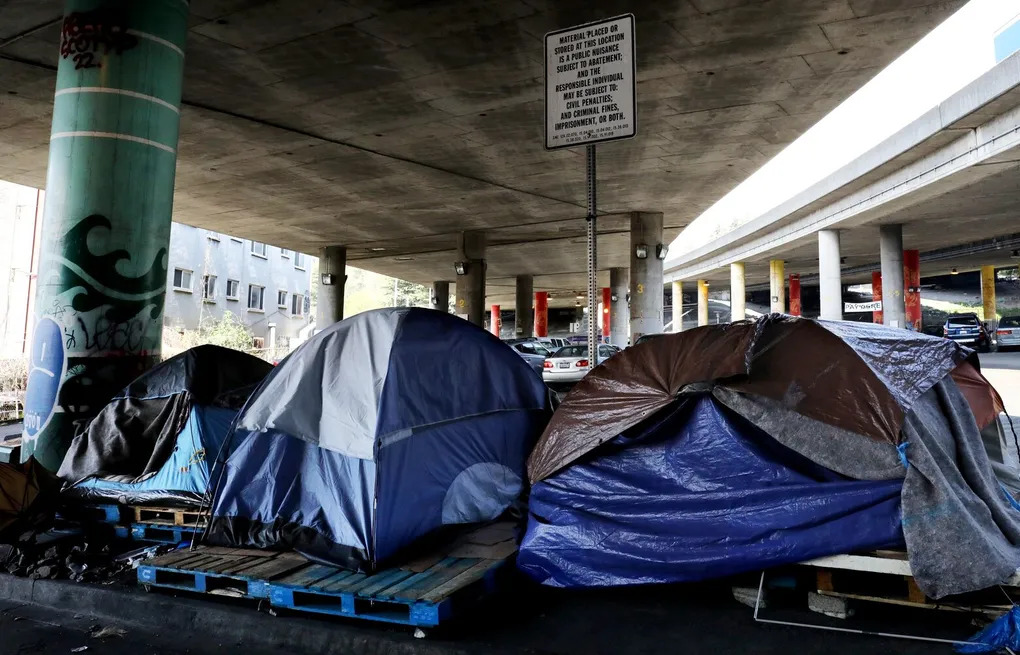
The climate crisis creates a tragic reality across the globe: women in India are succumbing to extreme heat, while homeless individuals, predominantly men, in Seattle are dying from extreme cold. Rohini Krishnamurthy, in the Indian Down to Earth magazine, sheds light on a troubling gender disparity in India coping with extreme temperatures. Since 2005, there has been a concerning rise in heat-related deaths among women, highlighting their heightened vulnerability compared to men. Despite efforts to analyze available data, the lack…