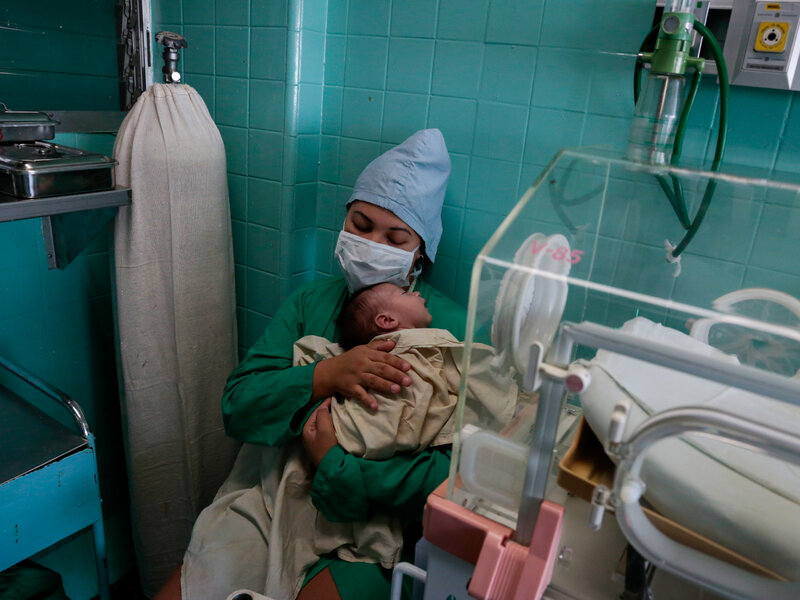
What is often framed as a “humane” form of political pressure is, in reality, anything but humane. The crisis described in a recent New York Times article makes clear that blockades carry an enormous human cost, and that cost is paid first by those who are already most vulnerable: disabled people, the chronically ill, pregnant women, children, and the elderly. When oil blockades disrupt electricity, transportation, hospital services, and the delivery of essential medicines, they are not abstract policy tools;…
Category: Medical Apartheid
CDC Accused of Funding an Unethical Vaccine Trial in Guinea-Bissau
The U.S. Centers for Disease Control and Prevention (CDC), along with the Pershing Square Foundation and the Bluebell Foundation, has awarded a $1.6 million grant to an unsolicited proposal for a single-blind randomized control trial of the hepatitis B vaccine at birth in Guinea-Bissau. The trial will randomize newborns to receive the hepatitis B vaccine at birth or to receive no hepatitis B vaccine at birth. Universal hepatitis B vaccination at birth is proven to significantly reduce infections and transmission…
Everything Is Tuberculosis
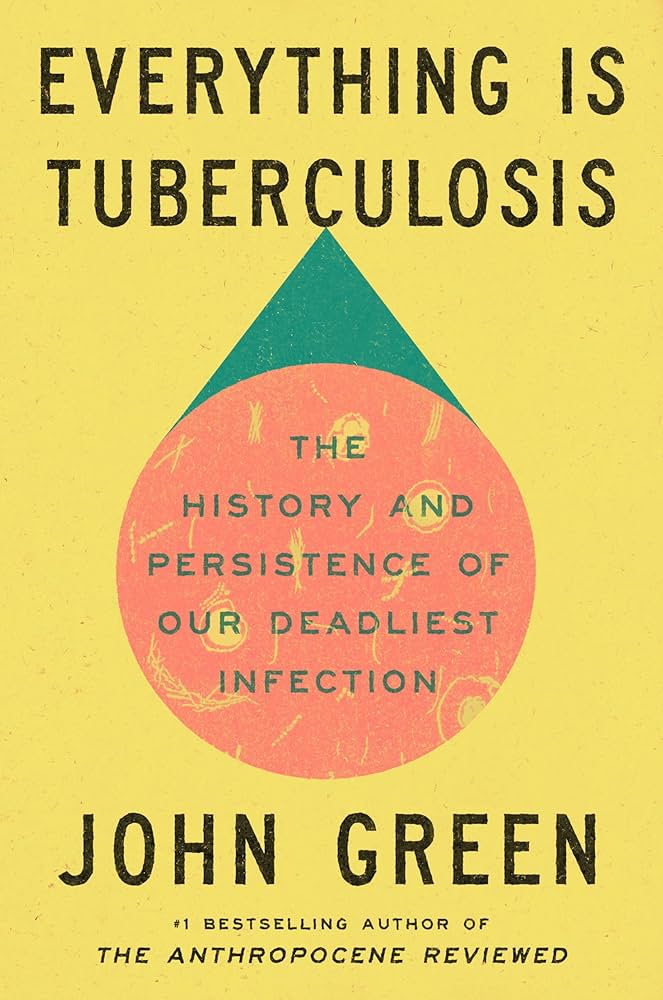
In Everything Is Tuberculosis: The History and Persistence of Our Deadliest Infection, John Green delivers a riveting narrative that blends medical history, personal storytelling, and global health critique into a single, unforgettable work. At its heart is the story of a young tuberculosis patient in Sierra Leone, whose experience becomes a lens for understanding how this ancient, curable disease continues to devastate millions across the globe. Green traces the trajectory of tuberculosis from its colonial entanglements to the present-day failures…
Barred from Healing: Denial of Qualified Medical Care Deepens Humanitarian Crises
This article is written in Arabic and English. For the English version, please see below. في مناطق النزاع حول العالم، يمكن أن يكون الوصول إلى المهنيين الطبيين المؤهلين هو الفارق بين الحياة والموت. ولا يوجد مكان يتجلى فيه هذا الأمر أكثر من غزة، حيث أدى الحصار المتعمد على العاملين في مجال الرعاية الصحية الماهرين إلى تفاقم كارثة إنسانية متزايدة. أحد الحالات الرمزية هو حالة الدكتور محمد الموسوي محمد طاهر، الجراح البريطاني-العراقي المتخصص في جراحة الصدمات والمعروف بمساهماته الاستثنائية خلال مهمة…
Reducing Import Reliance: Morocco Paves the Way for Africa’s Autonomy
The Moroccan company Moldiag’s production of Africa’s first mpox tests stands as a refreshing contrast to the traditional narrative of reliance on high-income nations for medical supplies. Amid a history of global inequities exposed during the COVID-19 pandemic, this effort underscores the importance of South-South partnerships and self-reliance in addressing public health challenges. Moldiag, founded out of Morocco’s Foundation for Advanced Science, Innovation and Research, exemplifies the shift toward localized solutions that prioritize affordability, accessibility, and responsiveness to regional needs….
Medical Science not Being Shared Equitably
Systemic inequities in access to the fruits of science and medical technology continue to disadvantage the Global South. These inequities are rooted in colonial legacies and capitalist exploitation, argue Madhu Pai and Seye Abimbola in the August 2024 issue of Science. Examples such as the COVID-19 vaccine distribution and access to life- saving treatments like lenacapavir illustrate how scientific advancements often fail to reach those in need in a timely and equitable manner. This unfairness shows up in who gets access…
Bitten By Inequity: Why Vulnerable Communities are Most Affected by Snakebites
Venomous snakebites disproportionally affect the poorest and most isolated communities in rural areas of Asia, Africa, and Latin America, where access to anti-venom and healthcare is scarce. The lack of interest from wealthy countries and donors stems from that snakebites do not pose a health security threat to them, as there’s no risk of cross-border contamination. Additionally, snakebite is not a disease that can be eradicated, which makes it less attractive to funders who seek measurable outcomes. The high cost…
Mpox: A Looming Threat to Global Health Security, A Renewed Call for Solidarity
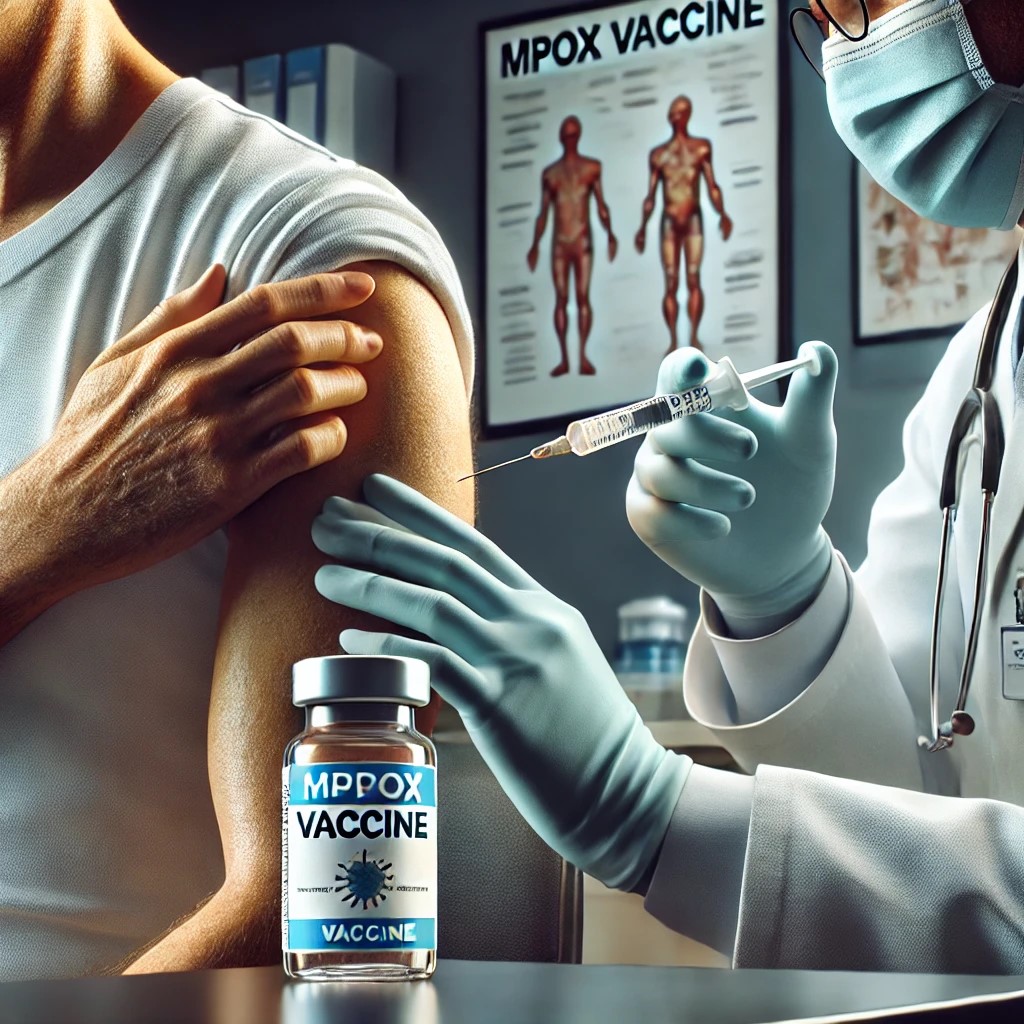
Mpox: A Public Health Emergency of International Concern As the world continues to grapple with the consequences of the COVID-19 pandemic, a new public health threat is emerging: Mpox. The World Health Organization (WHO) and the Africa CDC have declared Mpox a public health emergency of international concern, urging the global community to take immediate action. Yet, the specter of vaccine hoarding by high-income countries looms large, threatening to repeat the injustices witnessed during the COVID-19 pandemic. A History of…
Profit Over Patients: Insulin Pen Shortage in South Africa
South Africa is running out of insulin pens due to Novo Nordisk’s decision not to renew its contract, focusing instead on more profitable weight- loss drugs. The shift to vials represents a step backward in diabetes care. Vials and syringes are harder to use and less precise, raising concerns about medication adherence and long-term complications. The situation underscores a broader issue: the prioritization of profit over equitable healthcare access, leaving vulnerable populations in low- and middle- income countries (LMICs) struggling…
Red Crescent Demands End to Exploitation by the Global North
A staggering quarter of the world’s population, around two billion people, still lack access to basic healthcare, according to Badr Jafar, CEO of Crescent Group. Despite the efforts of the global health ecosystem to close this gap, the deep-rooted social, economic, demographic, and geographical disparities largely stem from the historical and ongoing exploitation by the Global North. This exploitation has left the Global South grappling with immense health inequities. Jafar calls for a significant shift in public health, emphasizing the…