
Fair taxation is essential for optimizing global health and equity. Dr. Dereje Alemayehu of the Global Alliance for Tax Justice (GATJ) was encouraged by the August 2026 UN Tax Convention, stating “The negotiations for a Framework Convention on tax get to the heart of the issues of our broken global tax rules: fairly sharing between countries the ability to tax multinational corporations, effectively taxing the rich, ensuring a transparent international tax system….the debate is open and moving forward.” The UN…
Tag: equity
Humanitarian Aid Substituting for Justice? Rethinking UNRWA
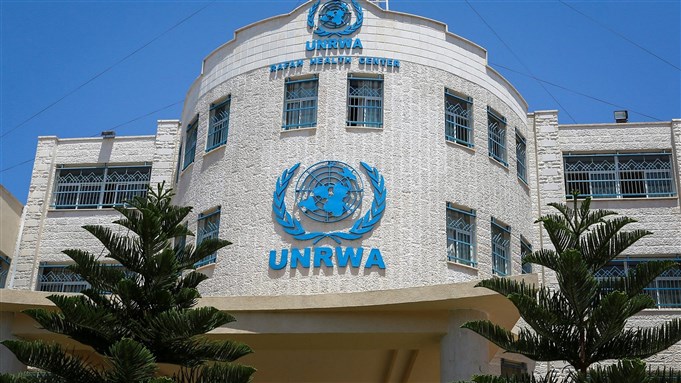
For over seven decades, humanitarian aid has sustained millions of Palestinian refugees, but it has also quietly replaced the political solution they were promised. What began as emergency relief has evolved into a system that risks managing, rather than resolving, one of the world’s longest-running refugee crises. The 1948 Arab–Israeli War displaced roughly 700,000 Palestinians, creating a humanitarian emergency that led to the establishment of the United Nations Relief and Works Agency for Palestine Refugees, UNRWA, in 1949.1,2 Intended as…
Aid Funding Cuts and Malnutrition Force Kakuma Refugees Back to South Sudan
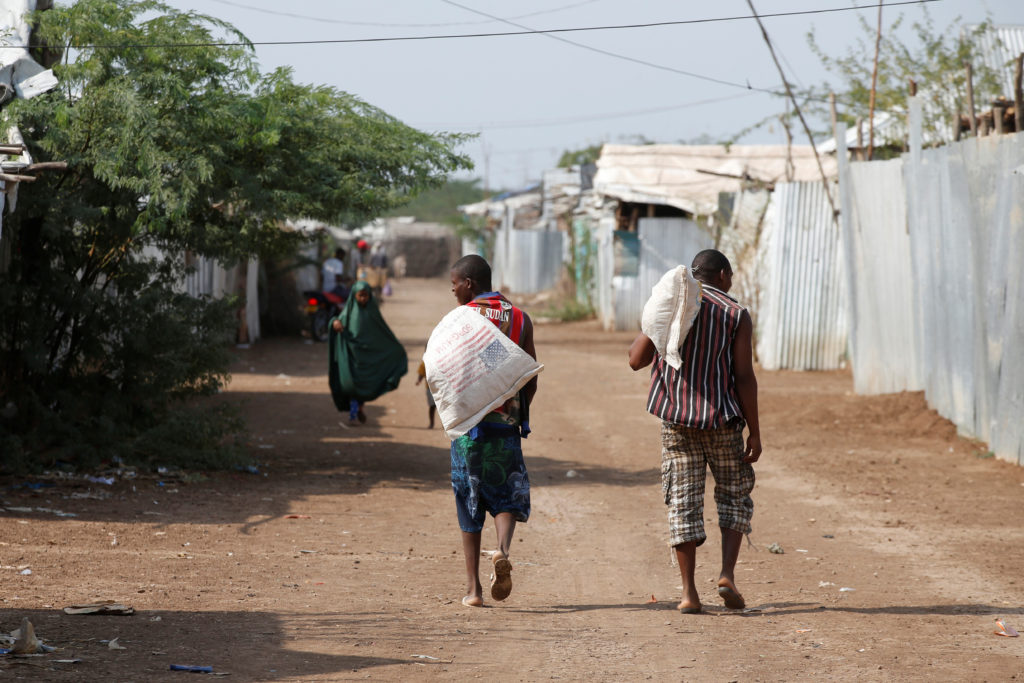
Refugees in Kakuma Refugee Camp in Kenya are starving and suffering from malnutrition. The slashing of the United States Agency for International Development (USAID) in early 2025 has led to a 70% decrease in funding for the United Nations World Food Programme (WFP). The WFP has been forced to cut the refugees’ rations to 30% of their minimum recommended amount a person should eat to stay healthy, leaving 45% of South Sudanese, the largest group of refugees, without food assistance….
Illicit financial flows cost Africa $88 billion annually

The African Union, in an August 2025 report, estimates that illicit financial flows (IFFs) cost countries in Africa $88 billion per year. IFFs are illicit or illegal funds derived from criminal activities and/or illegal tax practices that are moved or transferred across countries, including international trade manipulations (the most common), tax evasion, smuggling, government corruption, and money laundering. Nearly half of these losses come from the ‘extractive sector,’ mostly mining. IFFs are fundamental drivers of economic injustice, and enormously undermine…
Art for global health equity

A July essay in PLOS Global Public Health argues that art and its expression are critically important in the struggle for global health equity. Reñosa and his colleagues make the case that art can be leveraged to (1) to amplify disenfranchised voices, (2) to advance social justice activism, (3) to strengthen communities and individuals, and (4) to improve global health communication. They argue that art facilitates the inclusion of diverse cultural perspectives and engagement and uplifts marginalized voices. They provide a…
Barred from Healing: Denial of Qualified Medical Care Deepens Humanitarian Crises
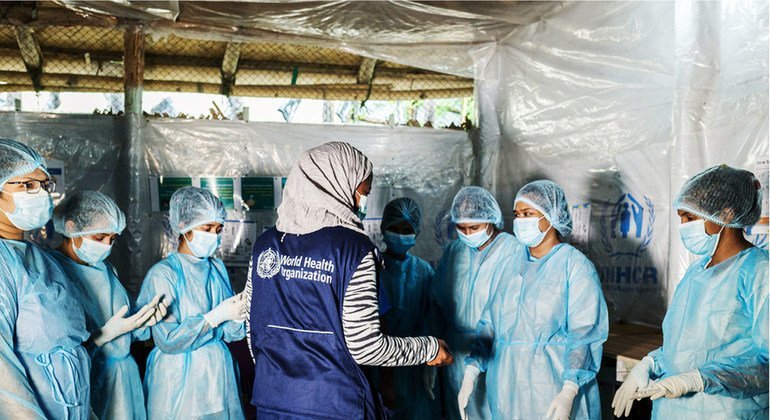
This article is written in Arabic and English. For the English version, please see below. في مناطق النزاع حول العالم، يمكن أن يكون الوصول إلى المهنيين الطبيين المؤهلين هو الفارق بين الحياة والموت. ولا يوجد مكان يتجلى فيه هذا الأمر أكثر من غزة، حيث أدى الحصار المتعمد على العاملين في مجال الرعاية الصحية الماهرين إلى تفاقم كارثة إنسانية متزايدة. أحد الحالات الرمزية هو حالة الدكتور محمد الموسوي محمد طاهر، الجراح البريطاني-العراقي المتخصص في جراحة الصدمات والمعروف بمساهماته الاستثنائية خلال مهمة…
Re-imagining foreign aid
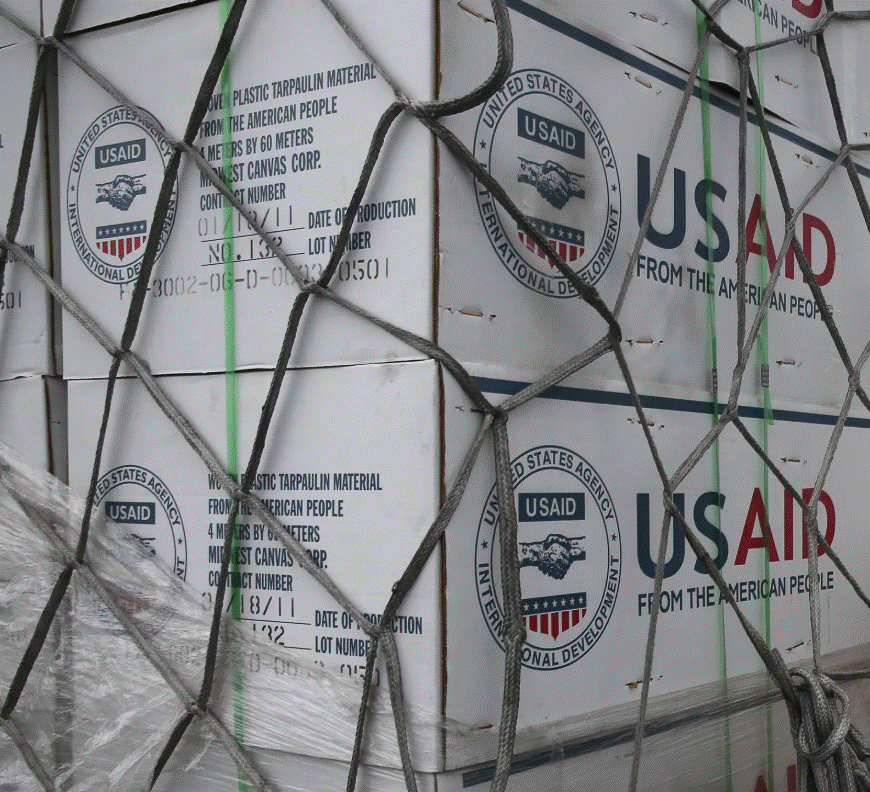
Farah Stockman in her NY Times editorial decries the chaos and devastation from cuts in US foreign aid, but also calls for re-imagining a foreign aid that addresses serious flaws inherent in the current forms of aid. We know that local groups (especially under-funded government health systems) are far more cost-effective and attuned to what communities need – and stay long after foreign workers depart. Cutting out the middlemen is essential, and more cost-effective – as leaders in the global…
Malawi and Mali Demand Unpaid Taxes and Royalties from Multinationals
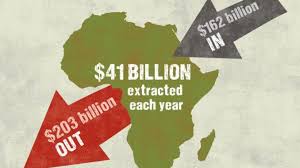
BBC news recently reported that the governments of Malawi and Mali are demanding hundreds of billions of dollars from U.S.- and Australia-based multinationals to compensate for unpaid taxes and royalties over the past 10 years. Charles Gitonga and Andre Lombard report that the Malawi government has accused Colombia Gem House, U.S.-based gemstone company, of not paying fairly for rubies exported over the last 10 years. The government is also demanding $4 billion from French gas giant TotalEnergies in unpaid revenue…
IMF imposing austerity on new Sri Lanka government

The new wave of IMF-imposed austerity measures is now reaching Sri Lanka, and their newly elected center-left government is challenging the usual IMF terms of social welfare cuts, rise in the VAT, and other measures that have the effect of doubling the cost of living and reducing the real wages by half for those that have formal employment. These are the standard IMF free-marked driven policies that typically benefited the elite in the country, while the burden typically falls on the…
The Shift Towards Private Education in Rural India
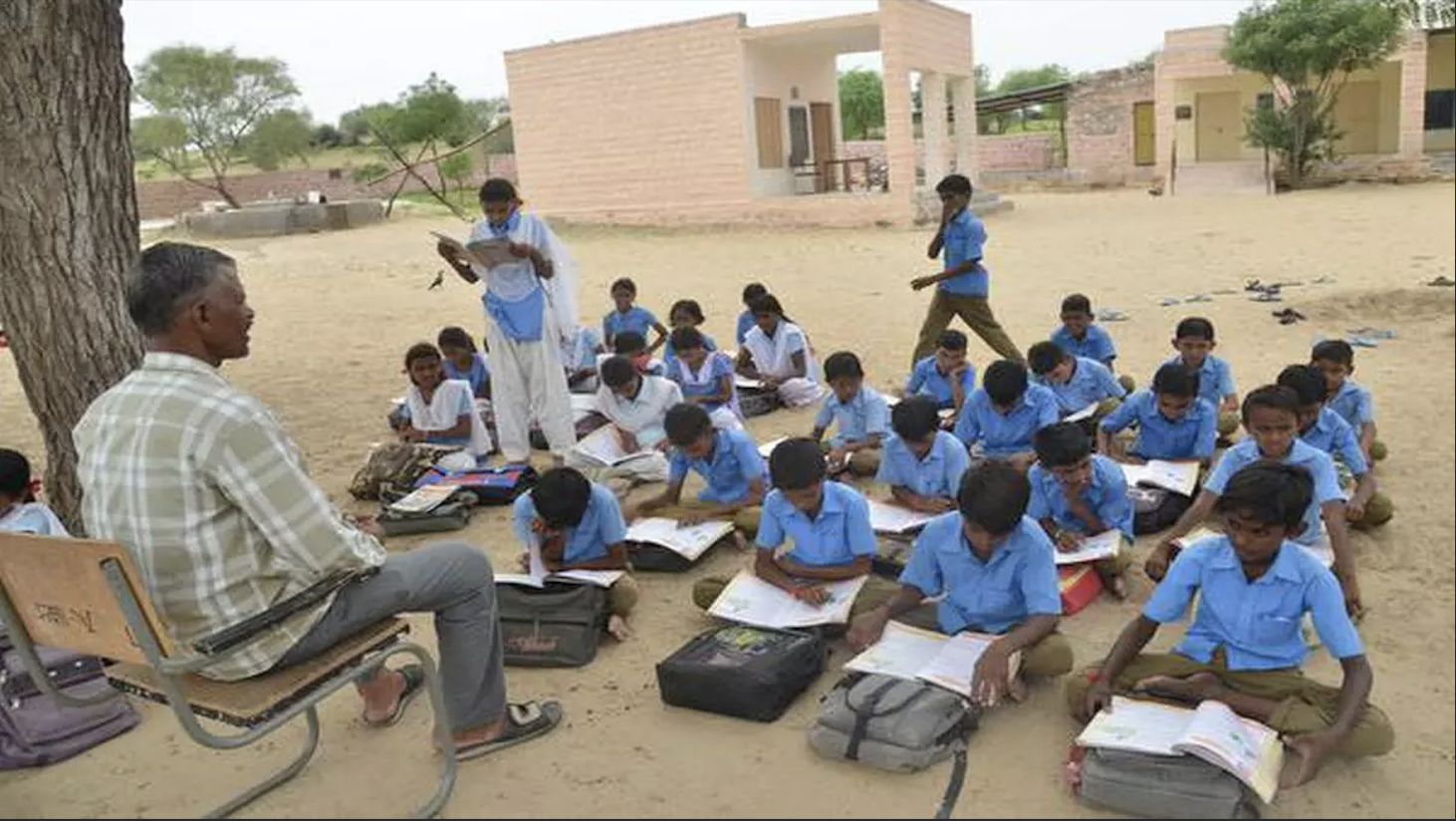
India’s education landscape is witnessing a significant shift, with nearly 50% of students now enrolled in 4.5 lakh privately managed schools, making it the third-largest school system globally. This surge is driven by low- and middle-income families seeking quality alternatives to government schools. The ‘State of the Sector Report on Private Schools’ by the Central Square Foundation and Omidyar Network India highlights the urgent need to improve learning outcomes in these institutions, which contribute approximately Rs. 1.75 lakh crores to…