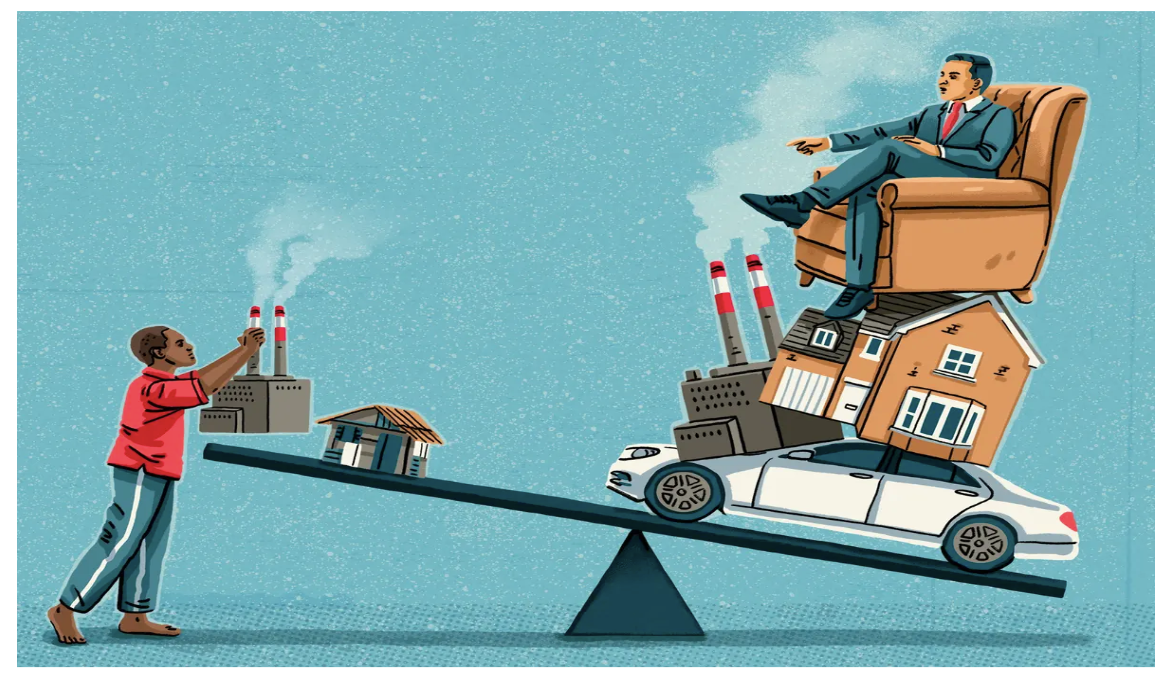
Introduction In the realm of global environmental justice, a disconcerting phenomenon has gained prominence in recent times: the entrapment of impoverished nations by their wealthier counterparts into a relentless dependence on fossil fuels. (1) This practice, though obscured by economic negotiations, perpetuates a cycle of environmental degradation and inequality. By examining pertinent examples and evidence, this essay aims to illuminate the detrimental consequences of this pattern, exposing how such actions hinder both sustainable development and the global fight against climate…
Tag: Global Health Justice
Violence and Sexual Harassment Against Women in Health Professions

Women make up 70% of the health care workforce worldwide. Sadly, female health care workers are faced with sexual exploitation, abuse, and harassment (SEAH) at work every day perpetrated by male colleagues, male patients, and male community members. Oftentimes, SEAH experienced by women in the health sector goes unreported, unrecorded, and unpunished. In 2022, Women in Global Health (WGH) launched its #HealthToo platform to raise awareness and drive accountability for SEAH by enabling women to tell their stories anonymously. Learn…
‘Every chemist has a backroom’: the rise of secret Female Genital Mutilation in Kenya
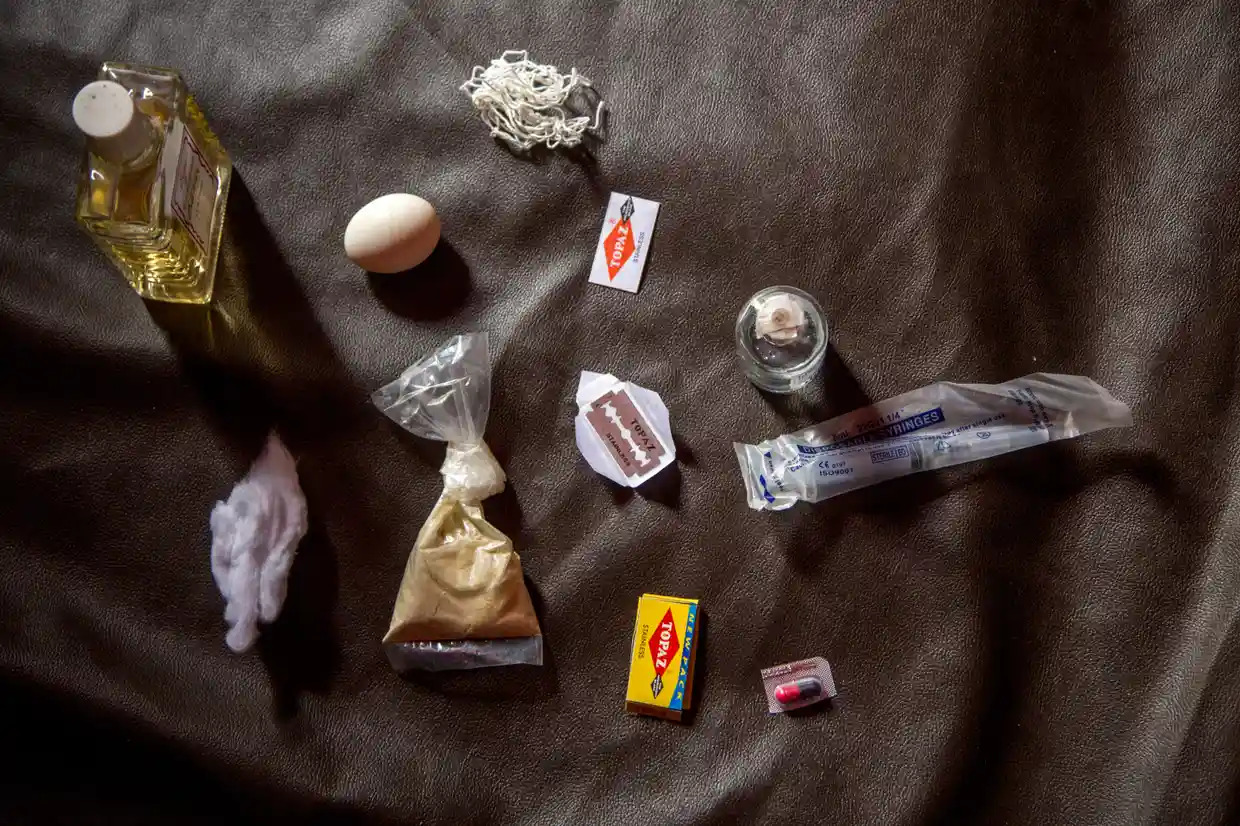
In 2011, Kenya passed laws to decrease the rates of female genital mutilations (FGM), by imposing hefty fines on its practitioners, and increasing surveillance and enforcement. But the recent medicalization of FGM is posing a new challenge for the east African nation, which has a 15% medicalization rate: one of the highest in Africa. In Kisii county, FGM medicalization is standard. Two out of three cases of female genital cutting are performed by health practitioners, in contrast to much of…
Food insecurity is driving women in Africa into sex work, increasing HIV risk.
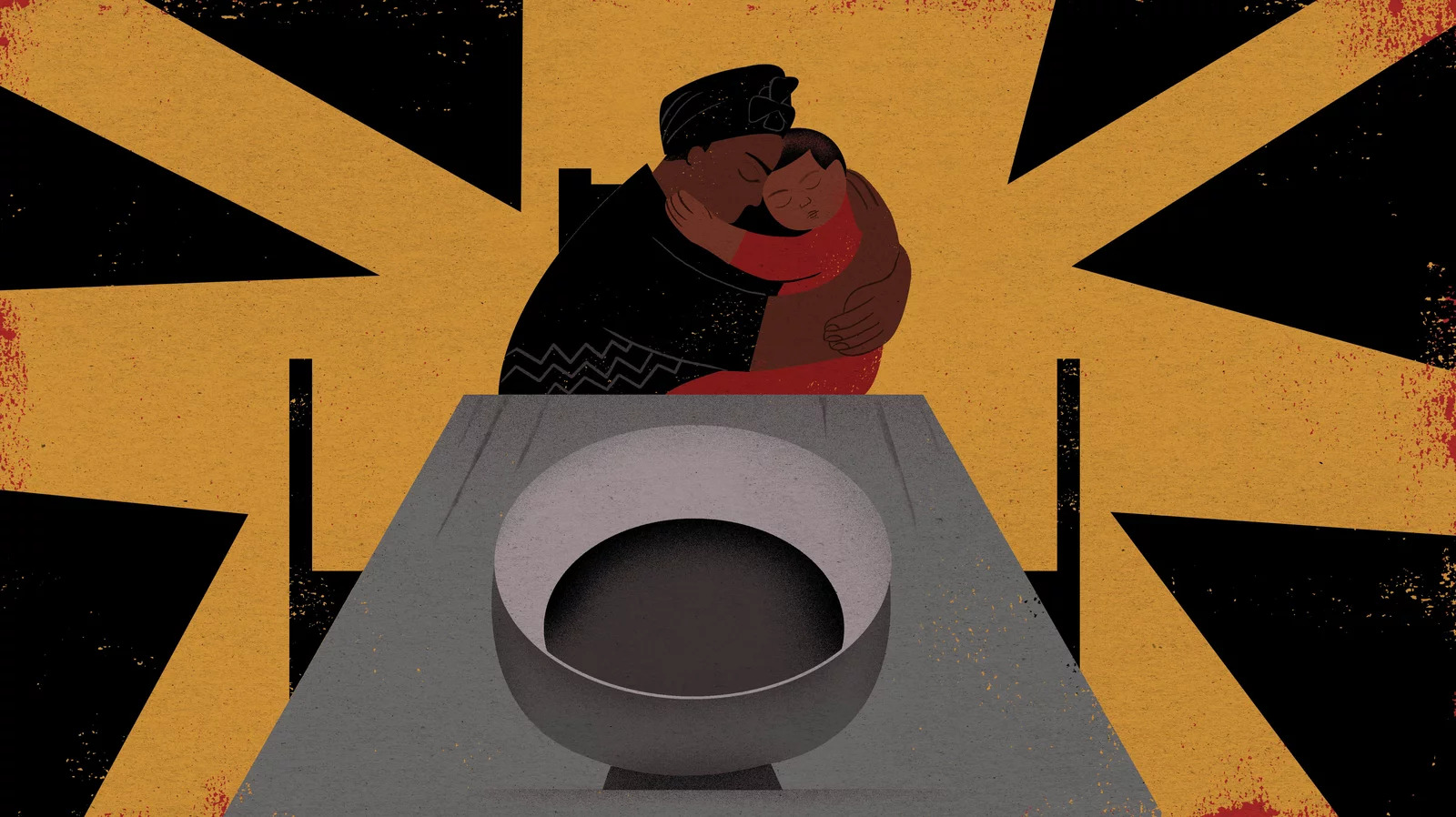
There are many underlying causes that can reduce the burden of HIV if addressed timely. HIV can be spread through blood, semen, vaginal fluid, breast milk, and other body fluids. Among the possibilities are: Sexual contact with someone who has the HIV virus without using a condom A needle exchange or syringe exchange that results in an infection When an HIV-positive mother gives birth to a baby or breastfeeds Persons who exchange sex In Sub-Saharan Africa, food insecurity forces women…
African scientists say Western aid to fight pandemic is backfiring. Here’s their plan
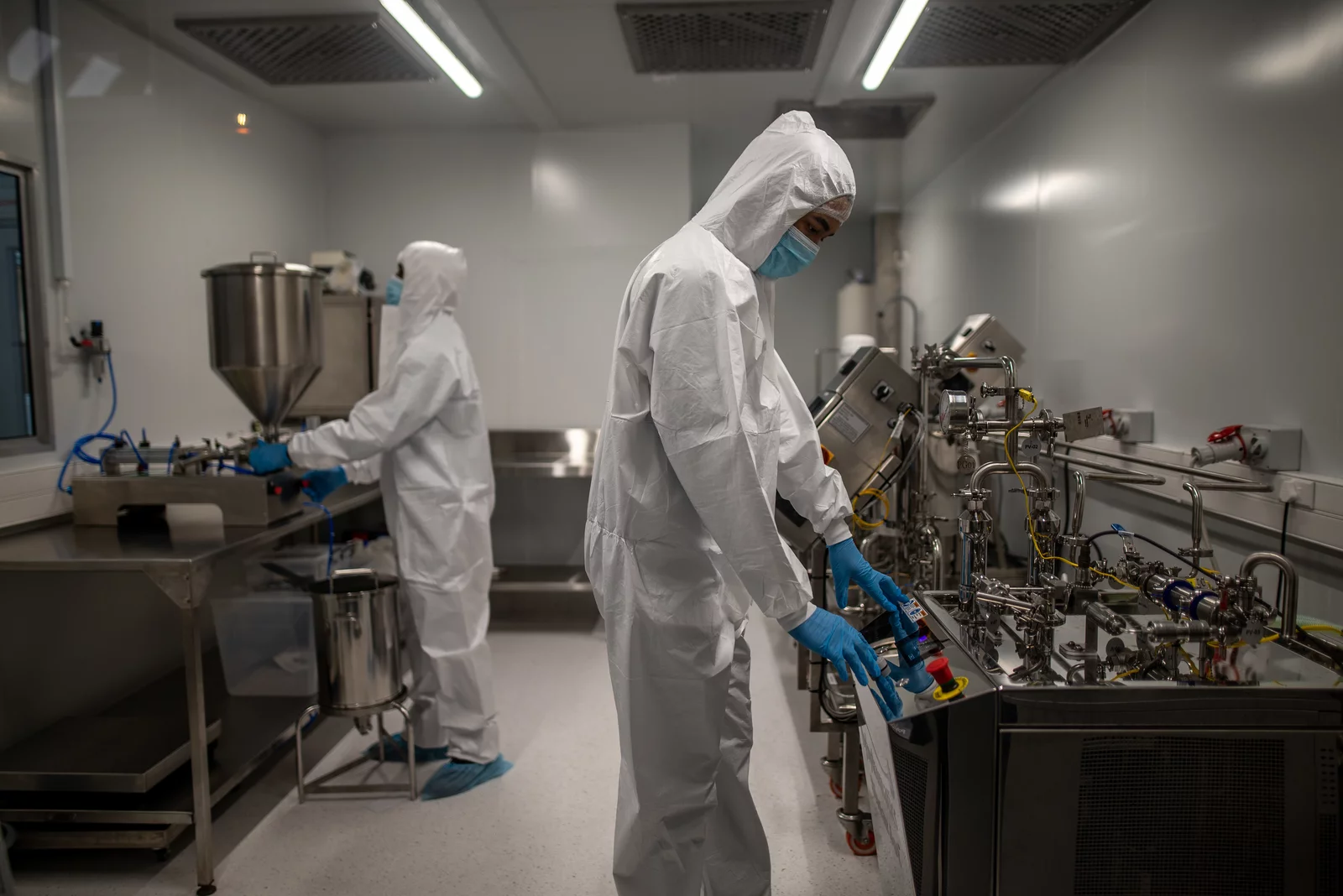
Global health inequities are inevitable, according to virologist and former president of the Nigerian Academy of Sciences Oyewale Tomori. “The WHO is,” says Tomori, “well, I know the W stands for World, but sometimes I think it stands for White.” Dr. Tomori shared that he was not surprised that high-income countries were buying up monkeypox vaccine supplies and that WHO was sharing its vaccines with 30 non-African countries, leaving the continent without access. Fed up with their countries’ inadequate responses to Ebola, COVID-19, and…
[BOOKS] on Decolonization
Here are book recommendations on decolonizing the global health space: “Wretched of the Earth” by Frantz Fanon (1961) Fanon’s seminal work on decolonization explores the psychological and sociopolitical effects of colonialism, offering critical insights into the process of liberation and self-determination. “The Colonizer and the Colonized” by Albert Memmi (1957) Memmi’s analysis delves into the complex dynamics between colonizers and the colonized, providing a nuanced examination of power and resistance during the process of decolonization. “Black Skin, White Masks”…