Gut Health and Child Survival
November 1, 2024
Environmental Enteric Dysfunction Biopsy Initiative (EEDBI) Consortium publishes supplement in the American Journal of Clinical Nutrition
Categories: Gut Health and Child Survival, Publication
Dr. Donna Denno (Global WACh’s Associate Director of Pediatrics and faculty in the UW Departments of Pediatrics, Global Health, and Health Systems and Population Health) co-led an 8-paper supplement recently published in the American Journal of Clinical Nutrition.
The Environmental Enteric Dysfunction Biopsy Initiative: An Intensive Prospective Multicenter Analysis supplement consists of an introductory article, The Environmental Enteric Dysfunction Biopsy Initiative (EEDBI) Consortium: Mucosal Investigations of EED, and seven research papers. The papers represent the most comprehensive assessment of the pathophysiology of EED, which is highly prevalent and a major cause of poor child growth and development in low-resource settings. The papers reflect years of research by numerous collaborators across the globe. (more…)
August 26, 2024
Register for the DeWorm3 Study’s Primary Results Webinar on September 25, 2024
Categories: Gut Health and Child Survival, Research
Please join the DeWorm3 Study for a special scientific webinar to hear primary results on September 25th, 2024 from 1-3 PM UTC.
DeWorm3 has contributed a significant body of research on the feasibility of interrupting soil-transmitted helminth (STH) transmission through community-wide mass drug administration (cMDA) in Benin, Malawi and India. Visit their website to learn more about the objectives, team members, and publications.
Registration is required to receive the webinar link. Click the flyer or scan the QR code below to register today! (more…)
August 23, 2024
Dr. Ruchi Tiwari receives NIH Postdoctoral Fellowship to study the association of maternal factors and child neurodevelopment in Kenya
Categories: Awards, Gut Health and Child Survival, Research
 Congratulations to Dr. Ruchi Tiwari for receiving an NIH F32 Postdoctoral Fellowship Award that aims to enhance the research training of promising postdoctoral candidates who have the potential to become productive, independent investigators. This funding will allow her to continue training at Global WACh under the mentorship of Dr. Christine McGrath (Associate Professor, Global Health and Adjunct Associate Professor, Epidemiology) and faculty within the Gut Health and Child Survival scientific priority area.
Dr. Tiwari plays a leading role in pediatric studies on gut health and malnutrition in Kenya alongside investigators at the Kenya Medical Research Institute (KEMRI). These studies involve understanding the effects of breast-milk derived nutrition supplements (human milk oligosaccharides or HMOs) on infant health outcomes. She will leverage her skills to assess how maternal factors that can be changed or controlled (e.g. stress, infection, and inadequate nutrition during and after pregnancy) influence child neurodevelopment at 2 years of age, with an important focus on the difference in the composition of HMOs by those factors. (more…)
August 16, 2024
Enterics for Global Health (EFGH) leverages international research consortium to train and mentor investigators across career stages
Categories: Gut Health and Child Survival
The Enterics for Global Health (EFGH) research consortium, supported by faculty and staff at Global WACh, is an exemplary model of advancing institutional efforts to support research mentorship. The objective of EFGH is to establish the incidence and consequences of Shigella diarrhea in Bangladesh, Kenya, Malawi, Mali, Pakistan, Peru, and The Gambia. EFGH also has a mission to ensure that the values, standards, and practices of science are effectively shared to the next generation of global health researchers.
Early-career investigators from EFGH partner institutions identified a need for seed funding, protected time, and support for scientific writing, data analysis, and mentorship to further advance their research careers. In response, EFGH developed structured programs to address those unmet needs. In September 2023, EFGH initiated a 16-month Manuscript Writing Certificate Program on the research-to-publication process and launched a second round of its Rising Star Program to support highly-talented junior scientists in becoming independent investigators. (more…)
June 5, 2024
2nd annual Global WACh Student Poster Symposium celebrates student achievements
Categories: Certificate Program, Family Planning, Gut Health and Child Survival, HIV and Co-Infections, Research, students, Talks and Events
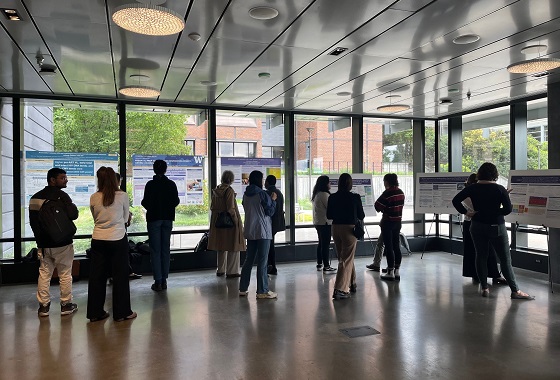
Visitors viewing students’ capstone posters.
On May 28th in the Hans Rosling Center for Population Health, Global WACh hosted its second annual Student Poster Symposium featuring graduate student research aimed at improving the health and well-being of women, adolescents, and children. It was a celebratory end-of-year event to acknowledge students’ training, service, and achievement and give well wishes to those graduating UW.
This year’s symposium featured 14 posters by master’s and doctoral students and a postdoctoral fellow representing several departments and schools – Applied Bioengineering, Epidemiology, Global Health (General and Implementation Science tracks), Nursing, and Social Work.
These included 90-hour capstone projects completed by students enrolled in the Global WACh Graduate Certificate Program, and master’s thesis and PhD dissertation-related posters by student supporting Global WACh’s research portfolio. Three posters were featured at scientific conferences over the academic year and shared with the UW global health community. (more…)
June 3, 2024
Global WACh faculty, staff, students attend a team retreat to build community and advance strategic initiatives
Categories: Family Planning, Gut Health and Child Survival, HIV and Co-Infections, Talks and Events
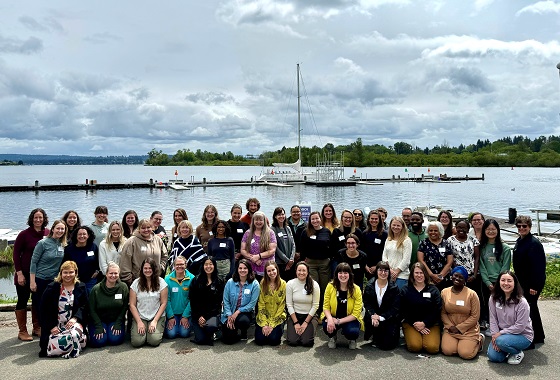
On May 22nd, Global WACh hosted an all-day team retreat at the UW Waterfront Activities Center. 46 faculty, staff, and student trainees spent the day together with the goals of 1) team building across Global WACh’s scientific priorities, and 2) advancing strategic initiatives for scientific impact, deep work, and expanding diversity, equity, and inclusion in our community.
The retreat was part of a larger “Think Week” aimed at protecting time and space for creative thinking to expand innovation to improve the health of women, adolescents, and children. (more…)
April 29, 2024
Gut Health team shares experience supporting research consortiums at CUGH 2024
Categories: Conferences, Gut Health and Child Survival, Research
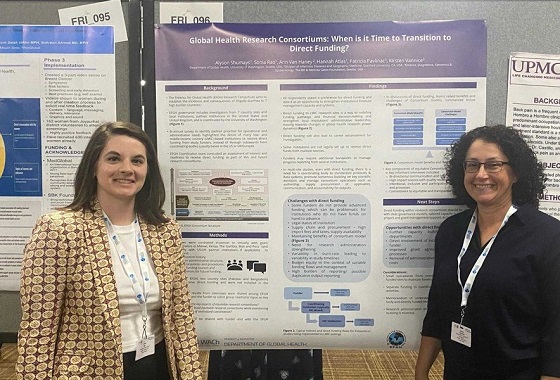
Sonia Rao (Project Manager) and Alyson Shumays (Director of Research Operations) at CUGH 2024.
Global WACh team members, Sonia Rao and Alyson Shumays, attended the 2024 Consortium of Universities for Global Health (CUGH) Conference, held from March 7-10, in Los Angeles, CA to share what they’ve learned from supporting international research consortiums under the Gut Health and Child Survival research portfolio.
This year’s theme, “Global Health Without Borders: Acting for Impact,” created an environment for scientists, students and implementers from academia, NGOs, government, and the private sector to learn, share research, collaborate, and develop partnerships to address global health challenges. Global WACh featured two poster abstracts under one of seven subthemes, “Decolonizing – Reforming Global Health Equity, Justice, Global Health Education and Research.” Click the titles below to view the posters. (more…)
April 22, 2024
Enterics for Global Health Consortium publishes a protocol supplement describing the study rationale and methods
Categories: Gut Health and Child Survival, Publication, Research
Sixteen articles authored by the Enterics for Global Health (EFGH) Shigella surveillance study Consortium were recently published in the March 2024 issue of Open Forum Infectious Diseases.
The Enterics for Global Health (EFGH) Shigella surveillance study is a multi-country diarrhea surveillance study that aims to generate key data to optimize the design and implementation of pivotal Shigella vaccine trials. The protocol supplement describes the study rationale and current Shigella vaccine landscape, Consortium governance structure, epidemiologic and laboratory methods, and country site descriptions (Bangladesh, The Gambia, Kenya, Malawi, Mali, Pakistan, and Peru).
February 28, 2024
EFGH collaborators convene in Istanbul for pediatric diarrheal disease research
Categories: Gut Health and Child Survival
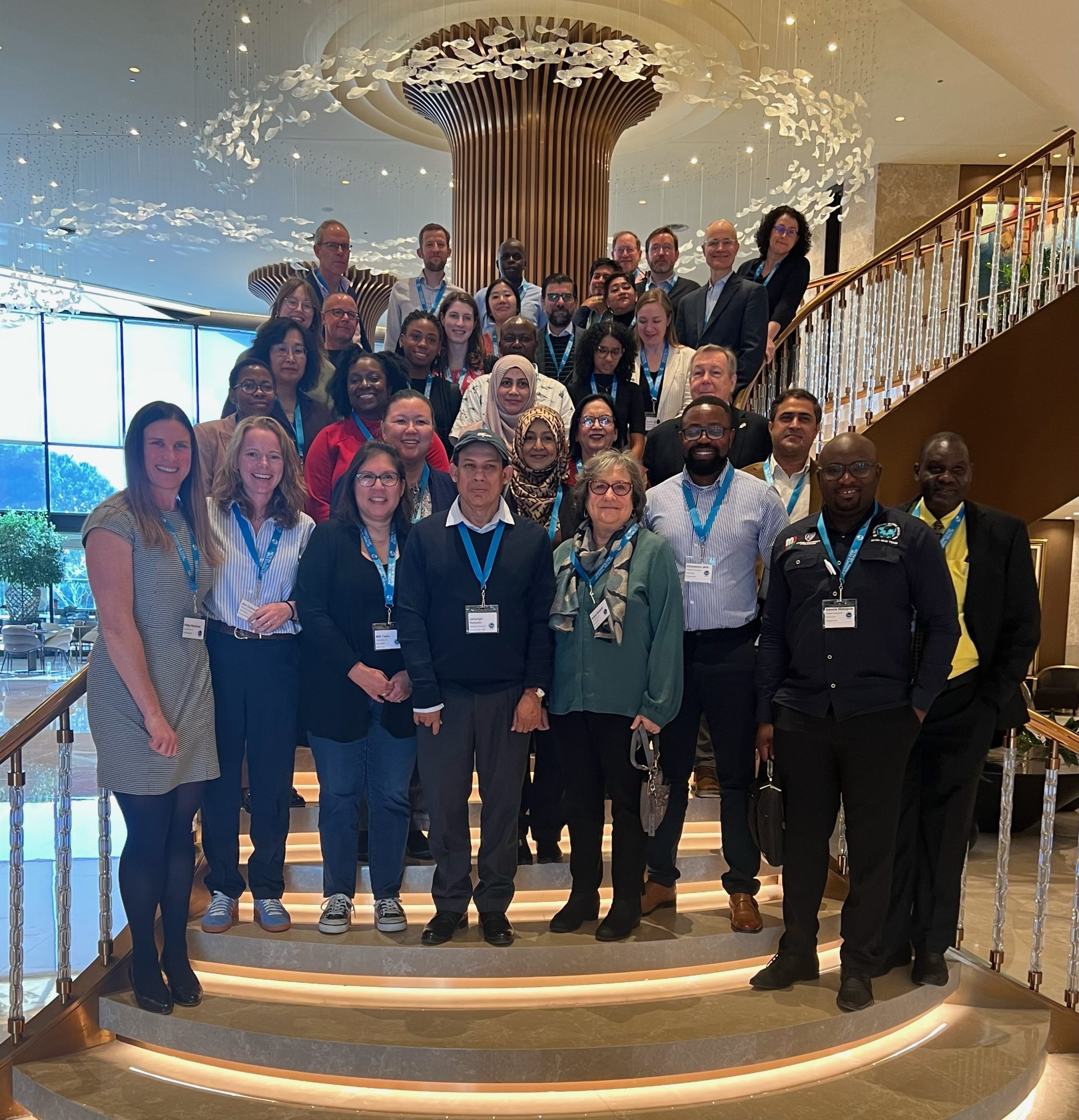
Enterics for Global Health collaborators at the InterContinental Hotel in Istanbul, Turkey. (Photo: Emily Allen)
Collaborators of the Enterics for Global Health (EFGH) Shigella surveillance study recently attended a three-day convening in Istanbul, Turkey. The study’s second annual convening gathered nearly 40 collaborators for a series of scientific updates, data analyses planning, and discussions to guide the research consortium into the final stages of the study. (more…)
January 30, 2024
DW3 Spotlight on World NTD Day
Categories: Gut Health and Child Survival, Publication, Research
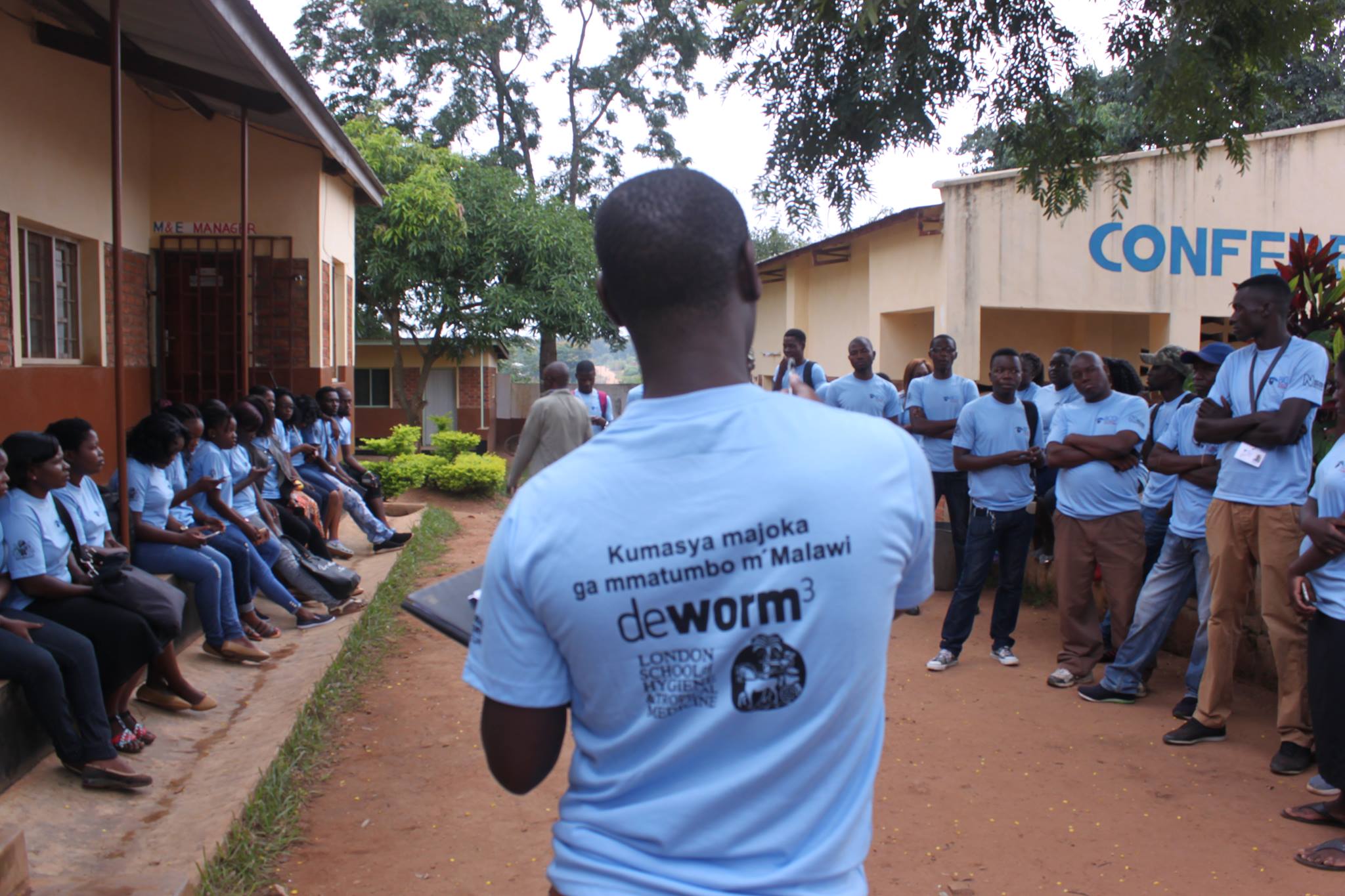
On World Neglected Tropical Diseases (NTD) Day, we celebrate the accomplishments of the DeWorm3 study in the fight against NTDs and call on the global health community to renew our commitment to creating a healthier, more equitable world for all.
DeWorm3 is a large clinical trial that aims to determine the feasibility of interrupting the transmission of parasitic worms, known as Soil Transmitted Helminths (STH), through community-wide mass drug administration (cMDA) that provides deworming medication to individuals of all ages in selected communities in Benin, Malawi, and India. STH are associated with nutritional deficiencies, cognitive impairment, and developmental problems amongst people who are heavily infected. The World Health Organization estimates that 1.5 billion individuals are infected with STH, representing 24% of the world’s population. The project began in 2016 with results expected in Spring of 2024. (more…)
Previous page Next page