News
May 26, 2023
Global WACh participates in the DGH LAPIS Symposium
Categories: Conferences, Family Planning, Gut Health and Child Survival, Implementation Science, PrEP, Research
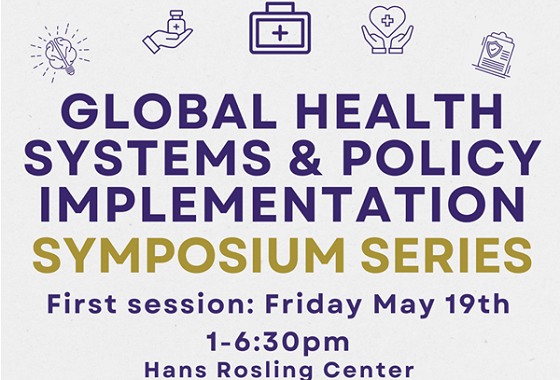
On May 19th in the Hans Rosling Center, the Learning for Action in Policy Implementation and Health Systems (LAPIS) Initiative held its first event in the Global Health Systems and Policy Implementation Symposium Series.
Multiple centers, programs, and initiatives of the department, including Global WACh, participated in the symposium to showcase their efforts in health systems strengthening, policy implementation research, and education and training. The event included lightning talk sessions, poster abstract sessions, and opportunities for networking. (more…)
May 24, 2023
ATTACH investigators visit the Uganda Ministry of Health to strengthen adolescent HIV care model
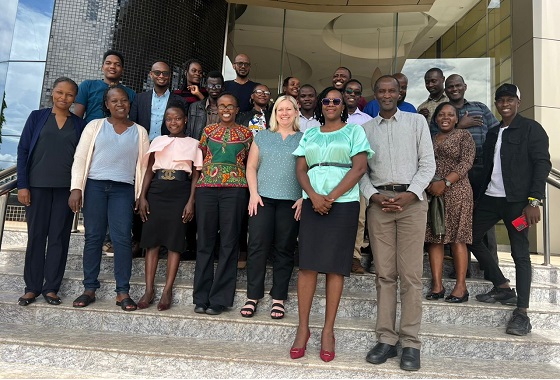
The ATTACH and Uganda Ministry of Health Pediatric and Adolescent HIV Care and Treatment teams. Credit: Irene Njuguna
This month, investigators of the Adolescent Transition to Adult Care for Adolescents Living with HIV (ATTACH) study, including Global WACh researchers Drs. Kristin Beima-Sofie, Dalton Wamalwa, Cyrus Mugo, Caren Mburu and Irene Njuguna, met the Uganda Ministry of Health’s Pediatric and Adolescent HIV Care and Treatment Team, led by Dr. Eleanor Namusoke-Magongo. During the visit, the ATTACH team interacted with peer youth leaders and learned about the Uganda Youth and Adolescent Peer Support (YAPS) Program, a model where youth can receive health education and intensive adherence counselling and support from fellow peers. (more…)
May 23, 2023
New grant explores pathways associated with growth outcomes in HIV-exposed uninfected infants
Categories: Awards, HIV, Research
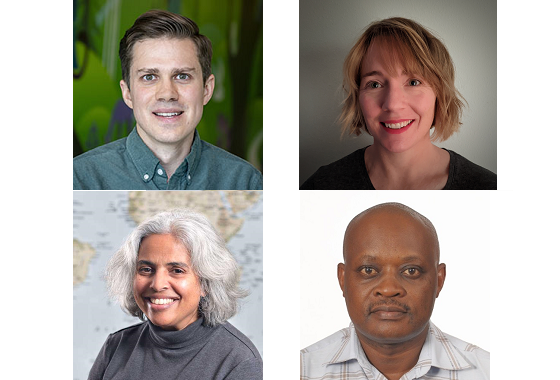
(Top row) Drs. David Taylor Hendrixson and Christine McGrath.
(Bottom row) Drs. Grace John-Stewart and Benson Singa.
Dr. David Taylor Hendrixson, Assistant Professor of Pediatrics – Divisions of Neonatology and Pediatric Infectious Diseases, received a two-year Pilot and Feasibility (P&F) Research Awards supported by the UW Medicine Diabetes Institute, Diabetes Research Center, and Nutrition and Obesity Research Center.
The project is in collaboration with Drs. Christine McGrath and Grace John-Stewart (UW Department of Global Health), Dr. Benson Singa (UW-KEMRI), and the UW Northwest Metabolomics Research Center. (more…)
May 19, 2023
Predoctoral researcher Tessa Concepcion receives award to support integration of long-acting PrEP methods into antenatal care in Kenya
Categories: Awards, HIV, Research, students
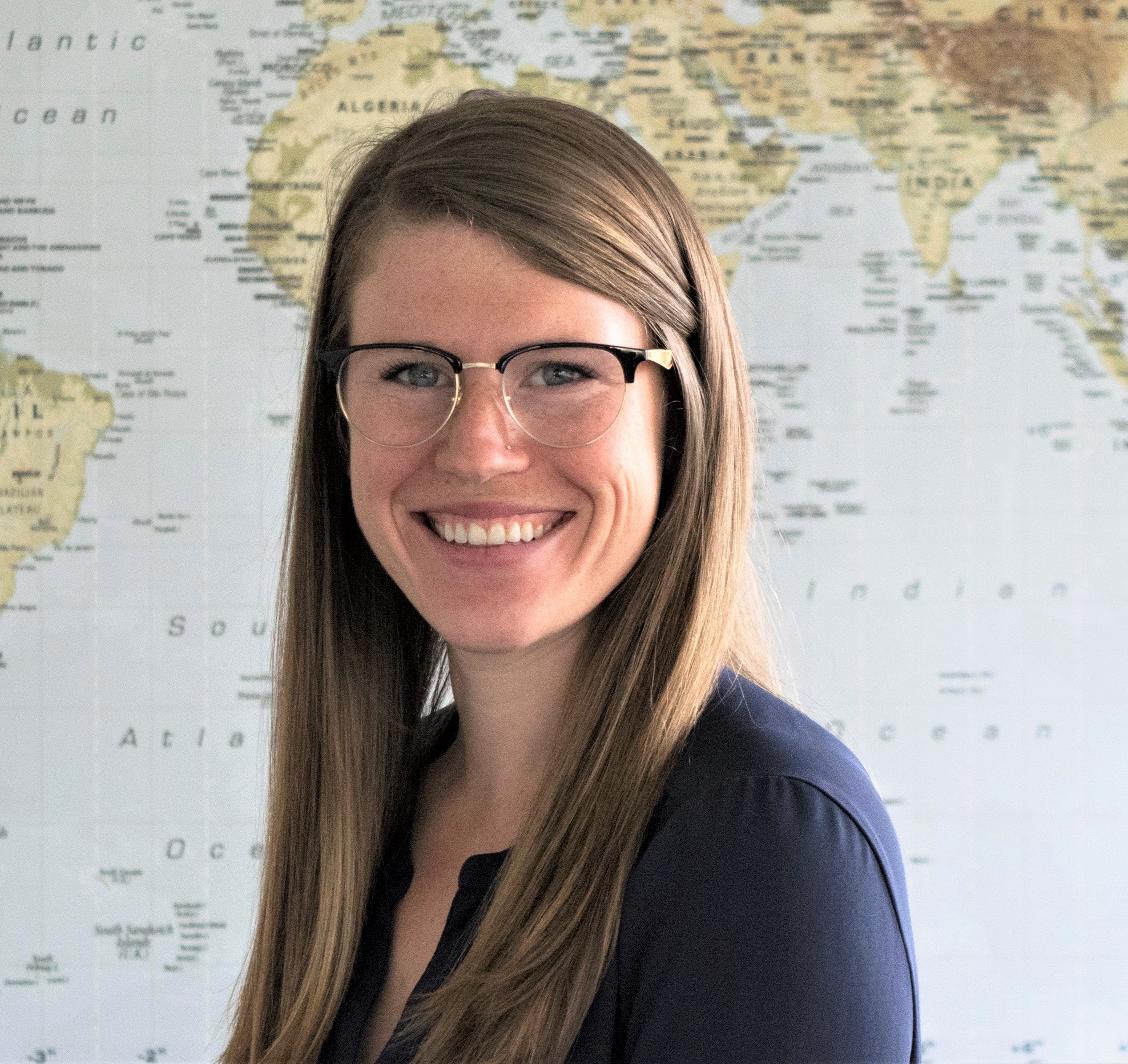 Tessa Concepcion, a second-year PhD student in the Global Health Implementation Science Program, recently received a National Institutes of Health grant to fund her predoctoral research with Global WACh at UW and Kenyatta National Hospital (KNH) in Kenya.
The three-year grant titled, “Planning for delivery of novel PrEP formulations to pregnant and postpartum women in Kenya,” leverages the ongoing mWACh-PrEP randomized trial (MPIs: John Kinuthia, KNH and Jillian Pintye, UW)—a SMS-based support intervention to enhance PrEP adherence during pregnancy through the postpartum period—to identify pregnant and postpartum women’s preferences for novel PrEP agents and identify early process indicators for implementing these options in MCH systems. This proposal was guided by the Exploration, Preparation, Implementation and Sustainment (EPIS) framework to answer questions related to implementation of LA-PrEP for pregnant and postpartum women in Kenya. (more…)
May 12, 2023
Announcing the 2023 Seeds for Change Award Recipients
Categories: Awards
After a temporary pause in seed grant programming, Global WACh is pleased to resume funding activities and announce the nine recipients of Seeds for Change Resource Award to Strengthen Collaborative Sites. (more…)
April 3, 2023
Cross-functional collaboration offers qualitative data analysis software training for UW students
Categories: students, Talks and Events

Dr. Kristin Beima-Sofie teaching students at the ATLAS.ti Workshop on March 3, 2023.
On March 3rd, a day-long ATLAS.ti workshop was hosted by the UW Qualitative Multi-Method Program (UW-QUAL) and UW Libraries’ Open Scholarship Commons (OSC) to teach students the fundamentals of ATLAS.ti, a popular qualitative data analysis software used in research, such as for an analysis of interviews or literature.
Dr. Kristin Beima-Sofie, Senior Research Scientist with Global WACh in the Department of Global Health, led the workshop where students across campus attended to learn about the software’s research tools and features to improve their analysis skills.
Dr. Saadia Pekkanen, Founding Director of UW-QUAL and Professor of International Studies, supported the workshop as part of the program’s effort to provide education and training for qualitative and policy-relevant data analysis in universities, the private sector, and government.
Dr. Beima-Sofie and Dr. Pekkanen anticipate offering a follow-up workshop in the 2023 spring quarter.
March 31, 2023
Sikiliza Mama study centers patients’ needs to inform perinatal mental health services
Categories: HIV, Mental Health, Research
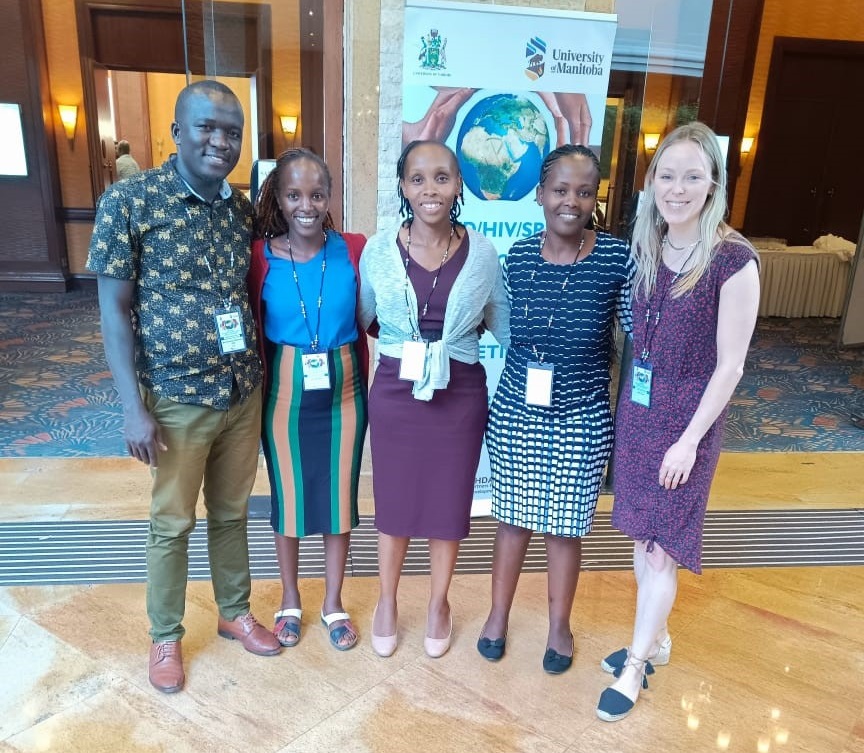
Sikiliza Mama study team members from left to right: Ben Ochieng, Joan Mutahi, Helen Moraa, Winnie Atieno, Anna Larsen
The Sikiliza Mama (Kiswahili for “Listen to Mama”) study, funded by a UW Behavioral Research Center for HIV (BIRCH) Community Centered Pilot AIDS Research Center (C-PARC) award, recently initiated qualitative data collection.
The team is using a human-centered design approach to conduct in-depth interviews among perinatal women with likely depression and/or anxiety to evaluate acceptability of existing formal and informal mental health services.
The findings can help inform patient-centered perinatal mood and anxiety disorders (PMAD) services for women at risk for HIV and women living with HIV and result in better maternal and infant outcomes. (more…)
March 22, 2023
New review of WHO HIV testing guidelines to increase uptake of testing services
Categories: HIV, Publication
A new systematic review and meta-analysis published in PLOS Medicine informed World Health Organization (WHO) 2019 HIV testing guidelines and assessed the research question, “Which demand creation strategies are effective for enhancing uptake of HIV testing services?” focused on populations globally.
HIV testing services (HTS) are the first step in reaching the UNAIDS 95-95-95 goals for HIV management and control. Evaluating the effectiveness of different demand creation interventions to increase uptake of HTS is useful to prioritize limited programmatic resources.
Read the full review by contributing Global WACh authors Anjuli Wagner, Irene Njuguna, Jill Neary, Kendall Lawley, Diana Louden (UW Libraries), Ruchi Tiwari, Wenwen Jiang, Dorothy Mangale, Jaclyn Escudero, Michelle Bulterys, Chloe Waters, Hannah Han, and Alison Drake.
March 9, 2023
Researchers attend CROI 2023 in Seattle
Categories: Conferences, HIV and Co-Infections, Research
This year, the annual Conference on Retroviruses and Opportunistic Infections (CROI) was held in Global WACh’s hometown of Seattle, WA from February 19-22, 2023.
CROI is the premier annual scientific conference for the epidemiology and biology of human retroviruses and associated diseases. For the past 30 years, CROI has been a global convening of leading scientists, clinicians, public health experts, among others, where discoveries have been presented that have helped to accelerate progress in HIV/AIDS research.
We’ve compiled a list of 12 accepted poster abstracts with contributions by Global WACh researchers and collaborators. Click on the titles to read the poster. (more…)
March 3, 2023
Researchers convene in Nairobi, Kenya on future childhood development research
Categories: Awards, Children, HIV and Co-Infections, Research
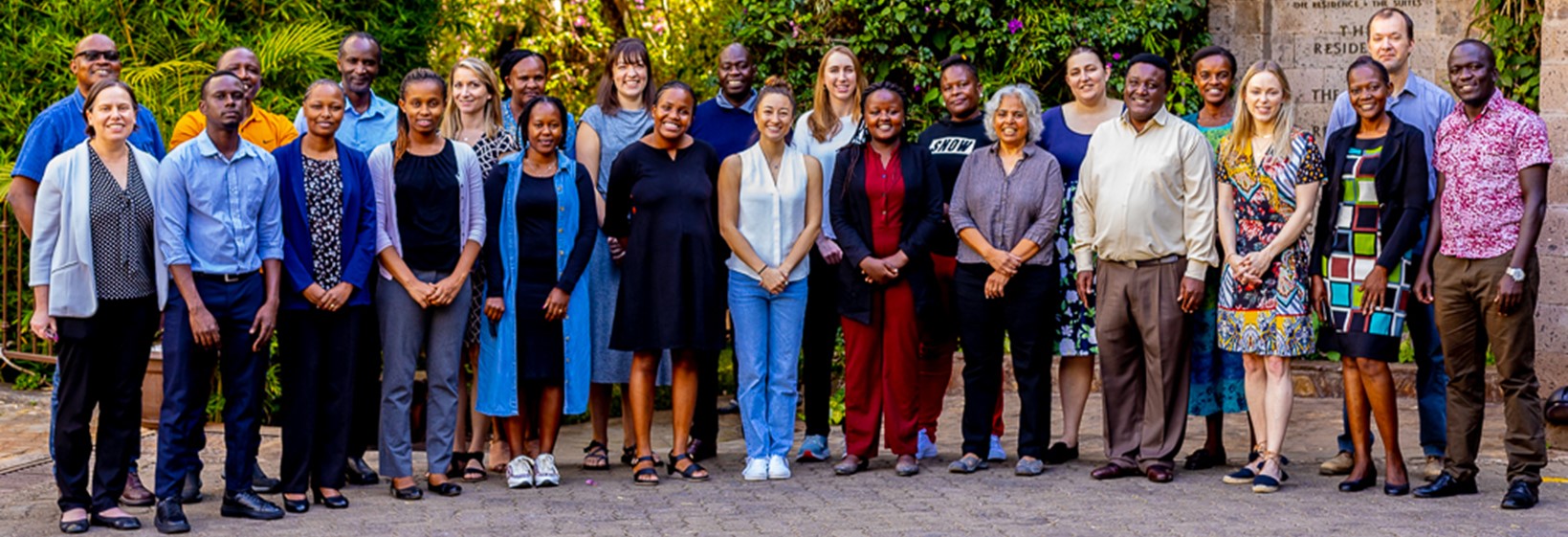
A two-day convening in January in Nairobi, Kenya brought together over 30 investigators from a variety of Kenyatta National Hospital, University of Nairobi, and University of Washington studies that include components of assessing childhood neurodevelopment and mental health. This meeting provided a forum to understand how to leverage the recently awarded Impact of Microbiome, Immune Activation and Drug on Neurodevelopment (MIND) Program for ongoing and future childhood development research. Over the course of the meeting, attendees discussed and prioritized the activities for a new MIND Center of Excellence (CoE) that builds off the program. To briefly summarize, the activities include: (more…)
Previous page Next page