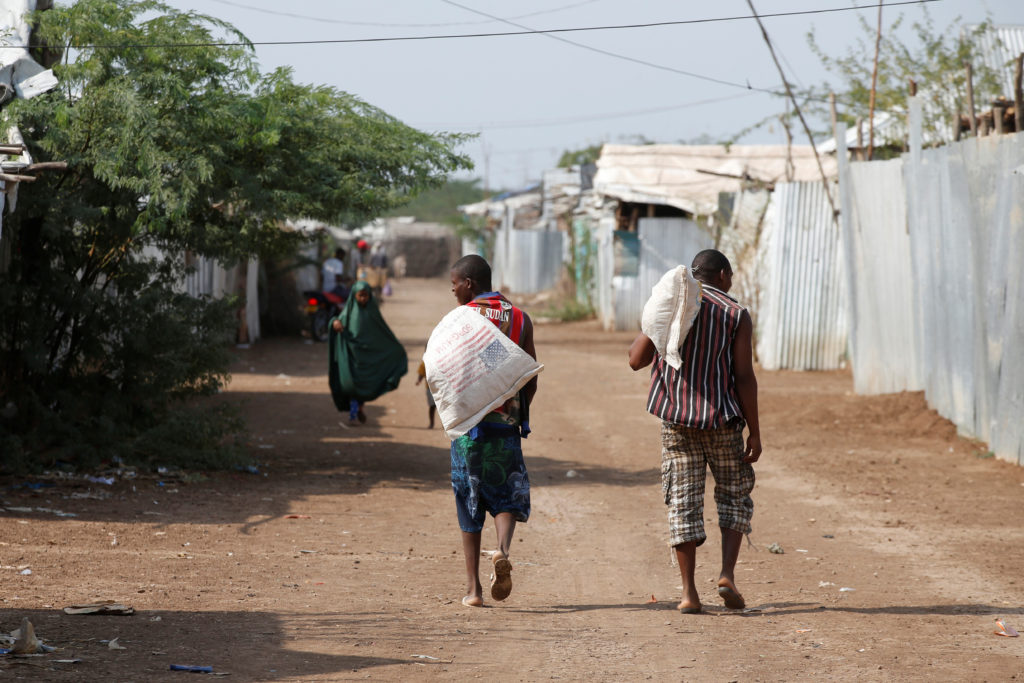
Refugees in Kakuma Refugee Camp in Kenya are starving and suffering from malnutrition. The slashing of the United States Agency for International Development (USAID) in early 2025 has led to a 70% decrease in funding for the United Nations World Food Programme (WFP). The WFP has been forced to cut the refugees’ rations to 30% of their minimum recommended amount a person should eat to stay healthy, leaving 45% of South Sudanese, the largest group of refugees, without food assistance. This has forced South Sudanese refugees in Kakuma, Kenya into making an impossible decision: stay in a camp that can no longer meet their basic needs, or walk back to South Sudan with no guarantee of survival. Increasingly, families are choosing to leave, not out of readiness or hope, but out of hunger.
According to the emergency update from the United Nations Office of the High Commissioner for Refugees on September 11, 2025, more than 9,300 South Sudanese refugees have left Kakuma and Kalobeyei, an extension settlement of Kakuma, Kenya, since June. Children under 18 account for nearly two-thirds of new arrivals in South Sudan. Due to the high cost of transportation for entire families, many parents have been forced to send their children ahead alone, leading to family separations and protection concerns.
Kakuma Refugee Camp has long represented safety, dignity, and the possibility of rebuilding a life after conflict. The Kenyan refugee camp located in northwestern Turkana County was established in 1992 for unaccompanied minors known as the “Lost Boys” fleeing war in Sudan. The camp’s population currently has over 300,000 refugees, 62% of whom are South Sudanese, along with many families from various countries across East Africa fleeing violence and climate crises. The camp has offered refugees a fragile but vital sense of stability. Today, that foundation is crumbling.
Refugees who still qualify for food assistance have received reduced rations. The consequences are immediate and heartbreaking. The reduction in food rations has led to protests throughout the camp, as refugees demand the right to eat and the restoration of assistance that once sustained them. On top of hunger, climate change has intensified daily hardships in Kakuma. Extreme heat, prolonged droughts, and shrinking groundwater sources have made access to safe drinking water even more difficult. As international organizations reduce their operations due to funding cuts, refugee-led groups have stepped up to fill critical gaps, supporting food distribution, education, and community protection with limited resources.
This is now a matter of life and death. The Kenyan government, regional bodies such as the African Union, and international partners must increase support, restore food assistance, strengthen water systems affected by climate change, and invest directly in refugee-led initiatives that are already holding communities together. At the same time, efforts must address root causes of displacement, including the ongoing instability in South Sudan, where lasting peace remains critical to preventing further forced migration. Without immediate action, the crisis in Kakuma will deepen, and thousands more families will be forced into dangerous journeys in search of survival.
Read the UN Refugee Agency’s September Emergency Update – Returns from Kenya to South Sudan
Image: Baz Ratner/REUTERS
References
Kakuma Refugee Walk Back to South Sudan Amid Hunger Crisis
Life for Children in Kakuma Refugee Camp: Struggles and Hope
Starvation alert as children fill Kenya refugee ward after US aid cuts