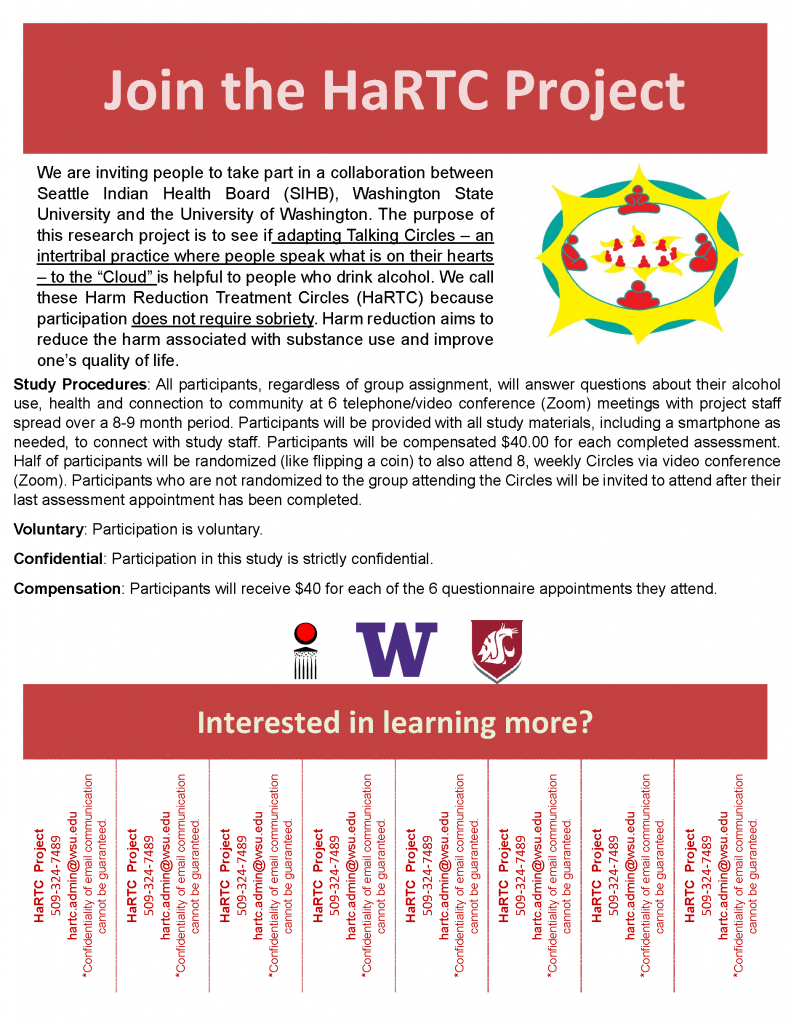
We’re excited to announce that the Harm Reduction Treatment Circles (HaRTC) project has launched! See the flyer below for more details and please share widely.
The latest news from HaRRT Center
We’re excited to announce that the Harm Reduction Treatment Circles (HaRTC) project has launched! See the flyer below for more details and please share widely.
The official podcast of Division 50, The Addiction Psychologist, released a new episode with Dr. Susan Collins and Dr. Seema Clifasefi. It is available here: https://anchor.fm/addiction-psychologist as well as on Spotify and Apple Podcasts.

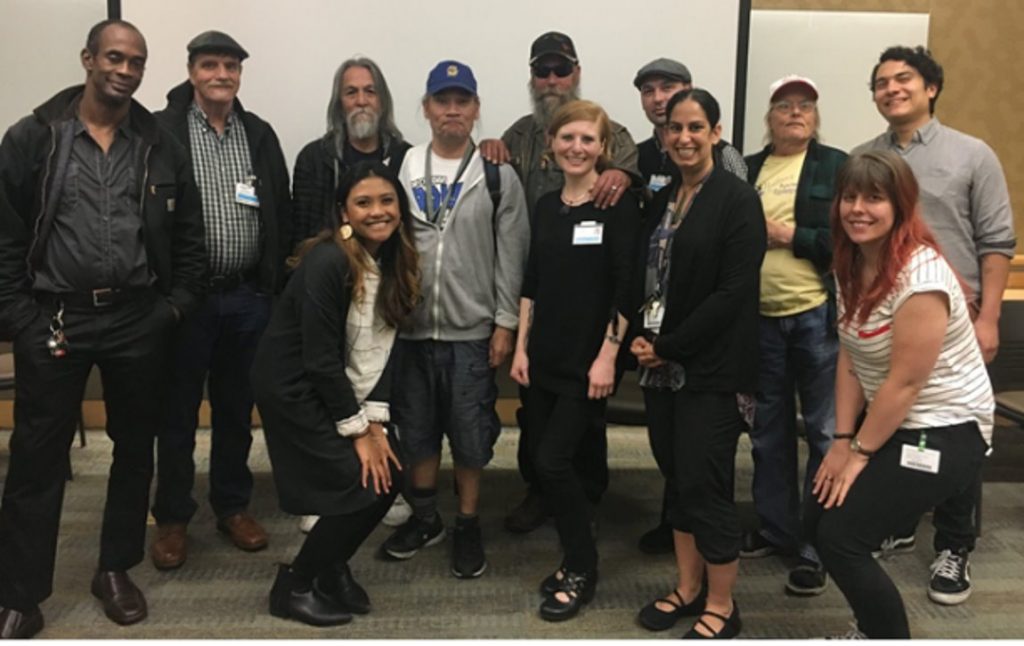
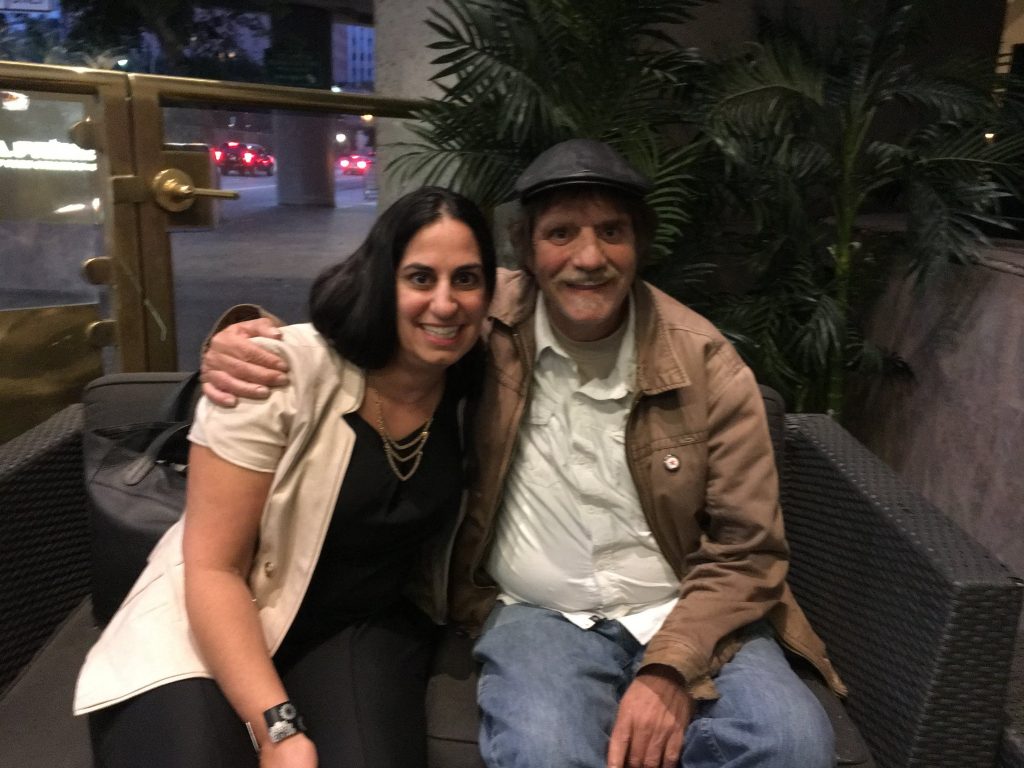
Joey Stanton, longtime friend, collaborator, coauthor and colleague at the HaRRT Center died this week after his fierce battle with cancer. The loss has left us bereft. And yet we are so grateful for the time we all had together. Joey is a big reason we do the work we do, and he has shaped our Center’s mission and projects in indelible ways. He is the heart of the HaRRT Center and will be so deeply missed. Joey, as you requested, we will keep fighting. Thank you for teaching the world to sing. We love you.
You can listen to Joey reading his poetry and watch his memorial slide show.



| To the UW Medicine Community: We continue to be in awe of the many expressions of support that we are receiving from you and our broader community in response to the COVID-19 pandemic. Many of you have also asked how you can donate supplies to meet our critical needs for personal protective equipment (PPE). We are pleased to announce that starting today, March 23, UW Medicine will be accepting in-kind donations at a drop-off center located near University Village in Seattle. Donations can be dropped off from 10 a.m. to 2 p.m. weekdays or shipped directly to the center. The following items will be accepted in their unopened and original packaging: – Disposable face masks: all types, including N95 respirators – Clear face shields Clear safety/medical glasses or goggles – Powered air-purifying respirator (PAPR) systems – Exam and surgical gloves – Isolation gowns – Disinfecting wipes – Hand sanitizer To donate supplies, please begin by submitting the form on the UW Medicine Advancement Emergency Response to COVID-19 website. You will receive an email confirmation with instructions for dropping off or shipping your gift. All in-kind donations must be made through the drop-off center rather than individual hospitals and clinics. You can also email covidgifts@uw.edu if you have questions. Please feel free to share this information with your friends and families. They can also offer their support with words of encouragement and online donations. We are strengthened by the overwhelming show of support that we are receiving from our community and welcome all contributions with great gratitude. Sincerely, Lisa Brandenburg President, UW Medicine Hospitals & Clinics Timothy H. Dellit, MD Chief Medical Officer, UW Medicine President, UW Physicians |
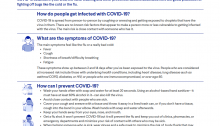
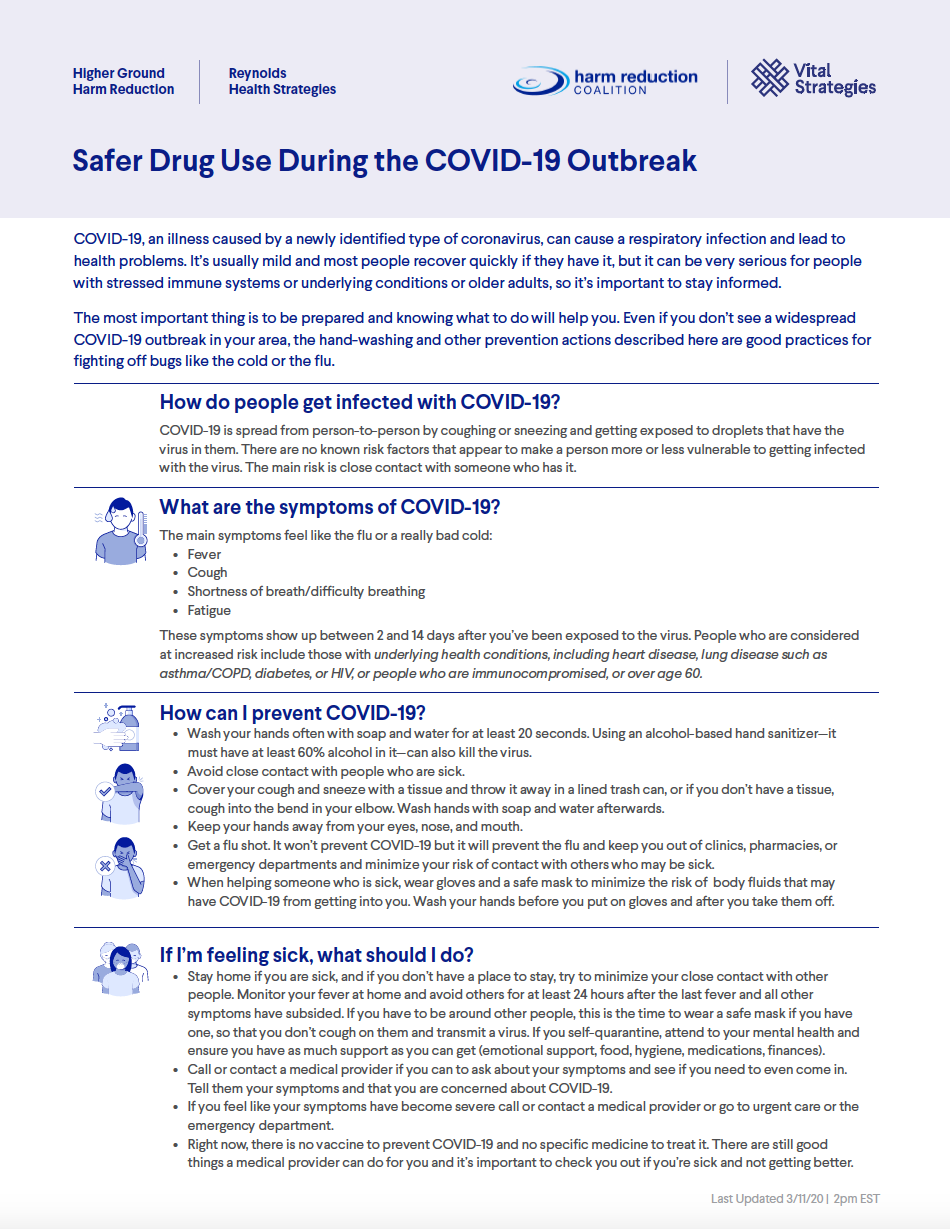
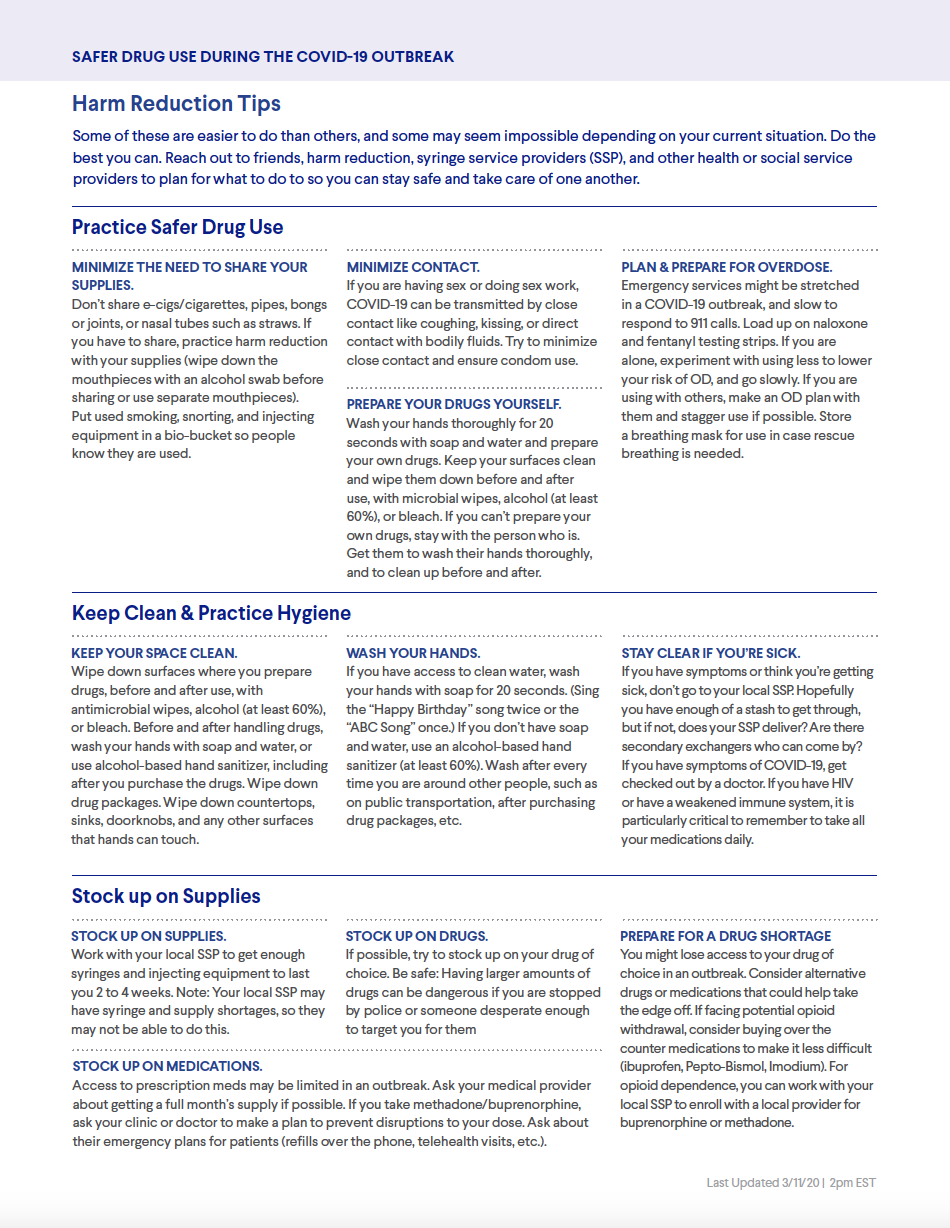
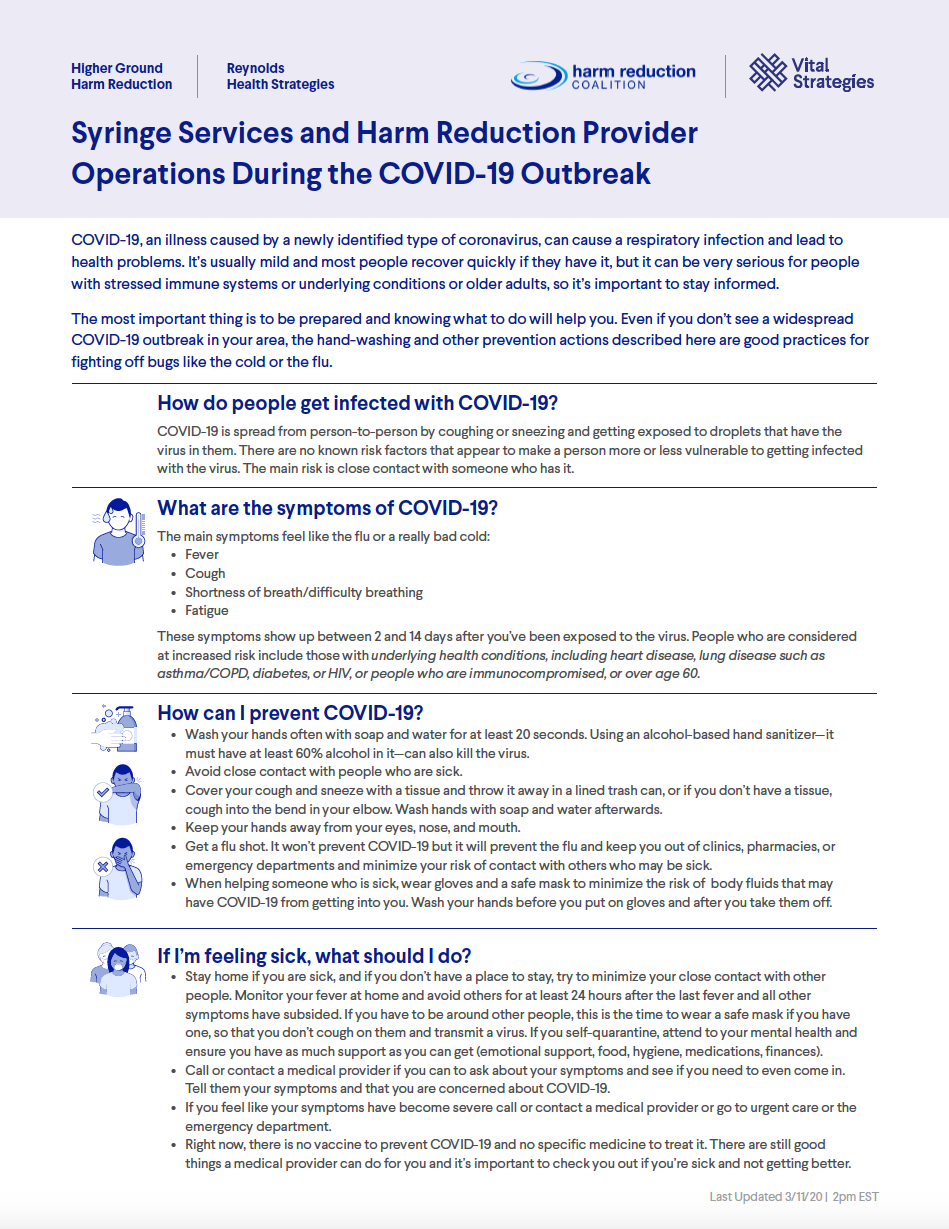
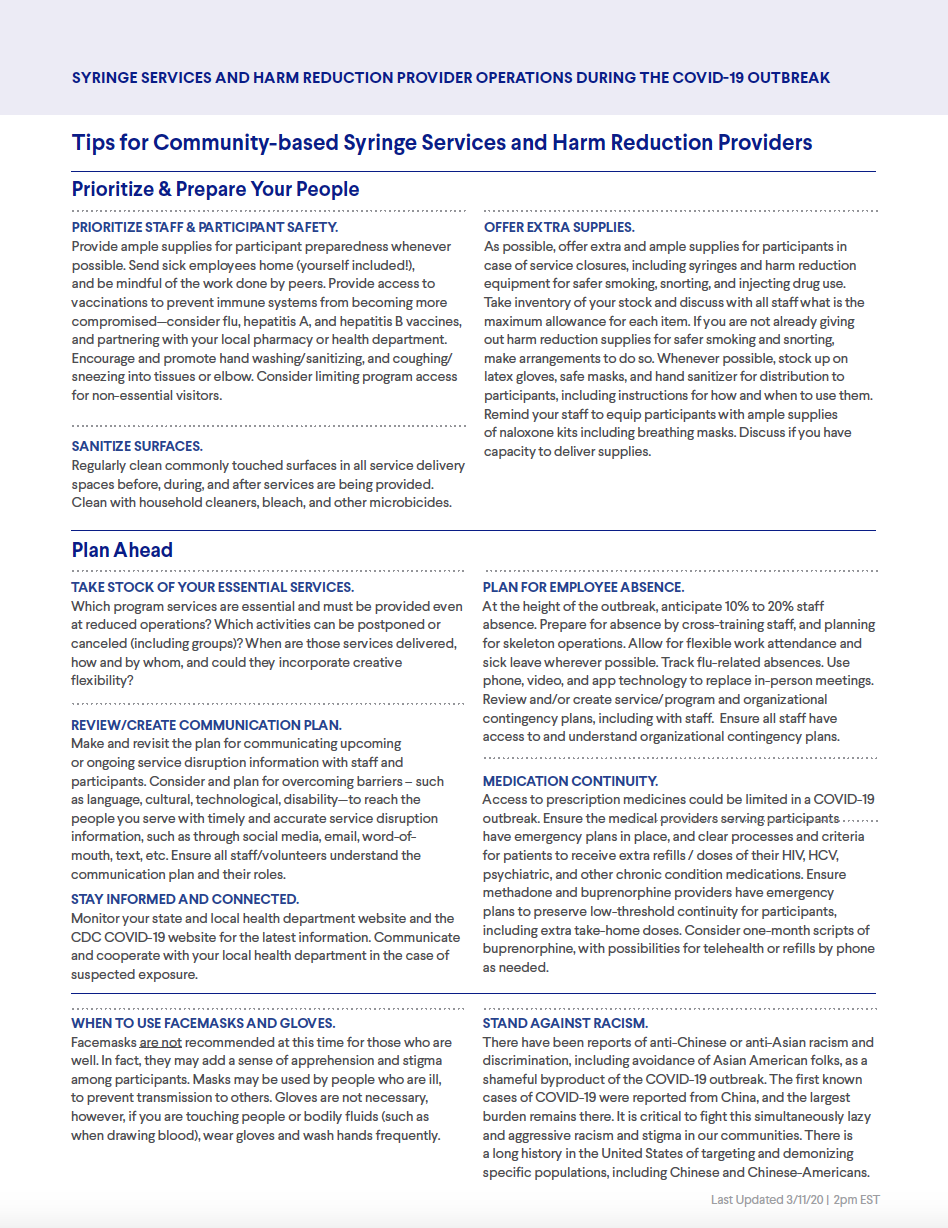
We all have likely been seeing lots of information, often conflicting, about COVID19 and how to best protect ourselves, the people we work with, and the general health of our communities. We are very excited to share new resources from Higher Ground Harm Reduction, Reynolds Health Strategies, Harm Reduction Coalition, and Vital Strategies!
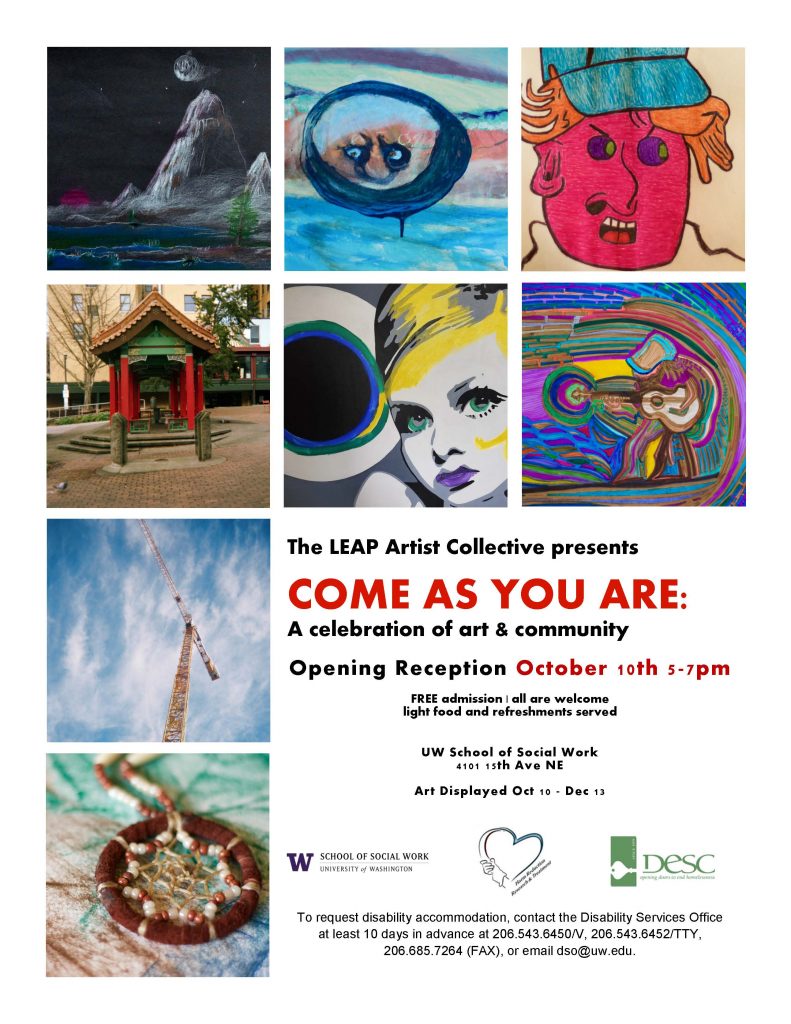
The HaRRT Center is proud to share this study by Center Co-Directors, Seema Clifasefi and Susan Collins, and the LEAP Advisory Board with you. This research suggests that ensuring that participants have access to activities that are meaningful to them and opportunities for leadership can help to decrease alcohol-related harm within a Housing First setting.
Our 2-arm, 6-month, nonrandomized controlled pilot trial tested the Life Enhancing Alcohol-management Program (LEAP), which entails resident-driven leadership opportunities, meaningful activities, and pathways to recovery aimed at reducing alcohol-related harm and improving quality of life, as an adjunct to Housing First.
We found that the LEAP was associated with increased engagement in meaningful activities, and greater involvement in the LEAP programming was associated with reduced alcohol use and alcohol-related harm.
Read the article here.
Smoking has created a worldwide epidemic of death and disease.
Nicotine is addictive, but it won’t kill you.
Getting nicotine in other ways than smoking reduces risk by at least 85%.1
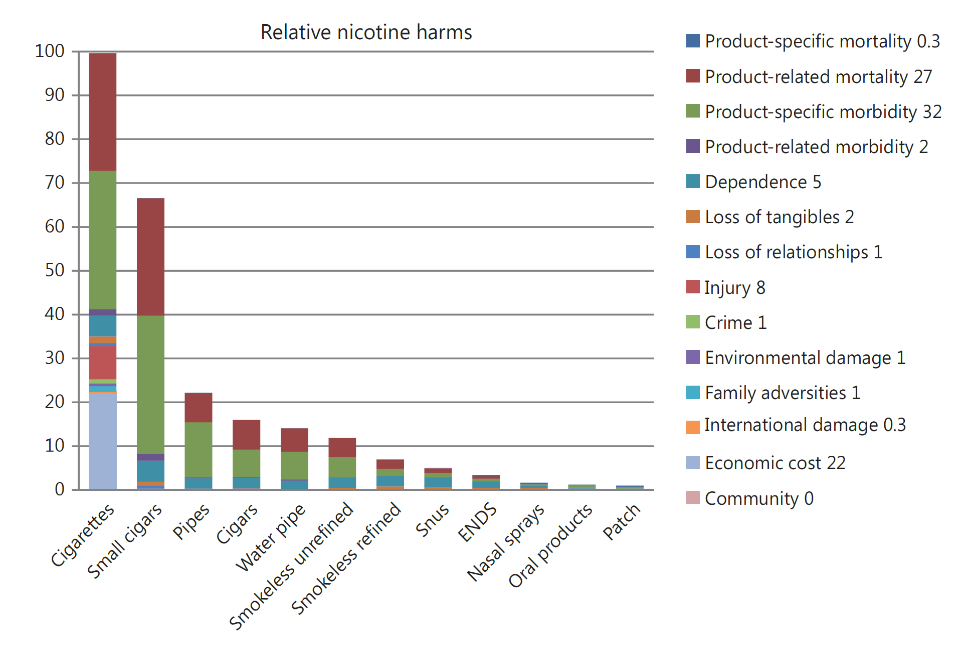
Completely switching to e-cigs is 95% safer than smoking and can promote harm-reduction among heavy smokers
How can we protect kids AND leverage e-cigarettes as a support to reduce harm in heavy smokers?
What are we doing to understand ecigarettes and health and safety in Seattle?
References
1. Nutt DJ, Phillips LD, Balfour D, et al. Estimating the Harms of Nicotine-Containing Products Using the MCDA Approach. European Addiction Research. 2014;20(5):218-225.
2. Liu J, Zhao S, Chen X, Falk E, Albarracín D. The influence of peer behavior as a function of social and cultural closeness: A meta-analysis of normative influence on adolescent smoking initiation and continuation. Psychological Bulletin. 2017;143(10):1082-1115.
3. Romer D, Jamieson PE, Jamieson KH, Jones C, Sherr S. Counteracting the Influence of Peer Smoking on YouTube. J Health Commun. 2017;22(4):337-345.
4. National Academies of Sciences Engineering and Medicine. Public health consequences of e-cigarettes. Washington DC: The National Academies Press; 2018.
5. Shahab L, Goniewicz ML, Blount BC, et al. Nicotine, carcinogen, and toxin exposure in long-term e-cigarette and nicotine replacement therapy users: A cross-sectional study. Annals of Internal Medicine. 2017;166(6):390-400.
6. Goniewicz ML, Gawron M, Smith DM, Peng M, Jacob P, 3rd, Benowitz NL. Exposure to Nicotine and Selected Toxicants in Cigarette Smokers Who Switched to Electronic Cigarettes: A Longitudinal Within-Subjects Observational Study. Nicotine & tobacco research : official journal of the Society for Research on Nicotine and Tobacco. 2017;19(2):160-167.
7. Benowitz NL, Fraiman JB. Cardiovascular effects of electronic cigarettes. Nature Reviews Cardiology. 2017;14:447.
8. Begh R, Lindson-Hawley N, Aveyard P. Does reduced smoking if you can’t stop make any difference? BMC Medicine. 2015;13:257.
9. Hardesty J, Awopegba A, Cohen J. Tobacco 21 Policy in Maryland: State of the Evidence. Available at: https://globaltobaccocontrol.org/resources/tobacco-21-reportsummary. 2019.
10. Stockings E, Hall WD, Lynskey M, et al. Prevention, early intervention, harm reduction, and treatment of substance use in young people. The Lancet Psychiatry. 2016;3(3):280-296.
Created by:
Susan E. Collins, PhD
Professor in the Department of Psychology at Washington State University
Affiliate Professor in the Department of Psychiatry and Behavioral Sciences at the University of Washington
Codirector of the Harm Reduction Research and Treatment (HaRRT) Center

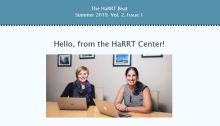
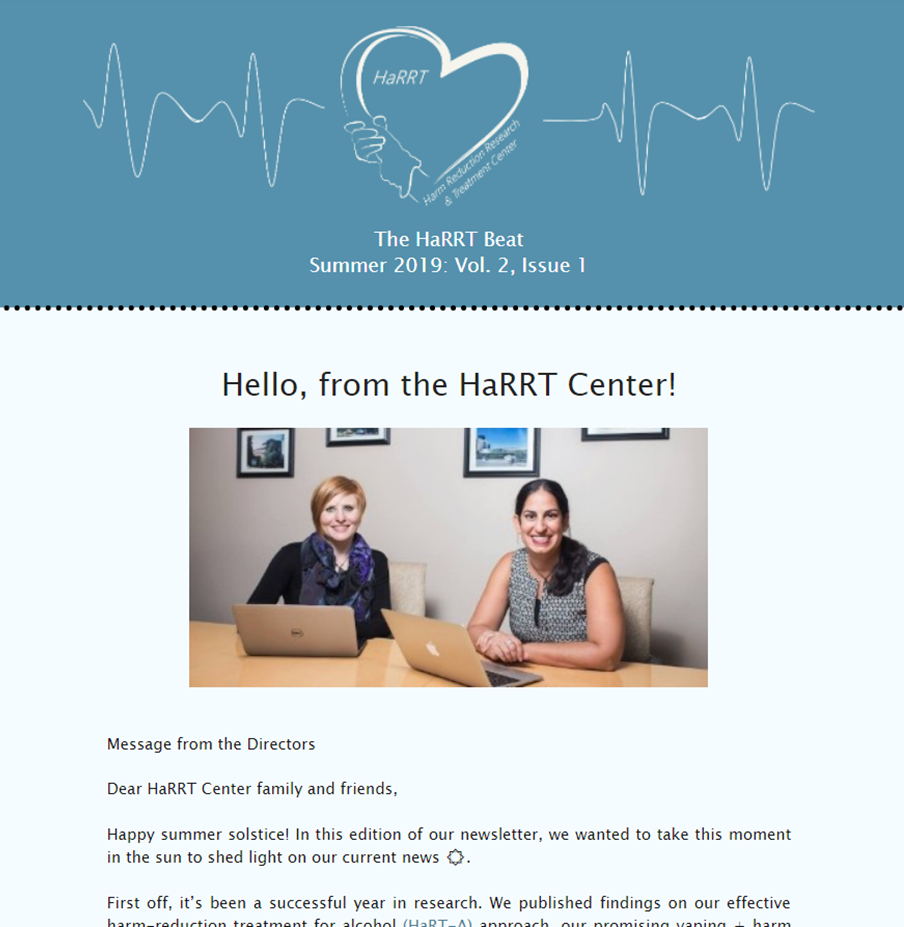
The latest edition of the HaRRT Beat has been released! Click the preview below to view the full newsletter and subscribe to our email list.