HIV and Co-Infections
March 25, 2026
CROI 2026 Abstract Round-Up
Categories: Conferences, HIV and Co-Infections, Mental Health, PrEP, Research
See a list of featured abstracts by our researchers and collaborators below. Click on the titles to learn about the projects and their findings. (more…)
March 4, 2026
RISE meets in Kenya to launch HIV/ART exposure on child neurodevelopment research
Categories: Awards, HIV and Co-Infections, Neurodevelopment
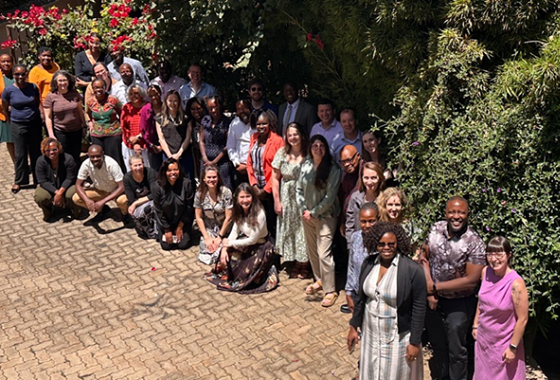
RISE collaborators from multiple research institutes met in Nairobi, Kenya.
From February 2nd-4th, collaborators affiliated with “Researching Interventions and Implementation Strategies to Evaluate the Health and Development of Children Affected by HIV (RISE)” met in Nairobi, Kenya for its official launch meeting.
It was an exciting time for collaborators to meet in-person, understand the program goals and individual responsibilities, and participate in meaningful scientific discussions. Collaborators left this short, but impactful meeting motivated, engaged, and focused. (more…)
February 23, 2026
MIND study collaborators attend 3rd annual meeting for child development research in Kenya
Categories: Gut Health and Child Survival, HIV and Co-Infections, Implementation Science, Mental Health, Research

Investigators and administrators from multiple Kenyan and U.S. institutions who support the MIND study.
In early February, nearly 40 collaborators affiliated with the “Drug, microbiome, and immune determinants of birth and neurodevelopmental outcomes in children with exposure to HIV infection (MIND) study” attended the 3rd annual MIND meeting in Nairobi, Kenya.
Launched in early 2023, MIND leveraged three birth cohorts in Kenya to build new studies of neurodevelopment. In addition, MIND supports two “Cores” that provide access to technologies, services, training, and consultation to successfully execute the studies, particularly focused on neurodevelopmental assessments. (more…)
February 2, 2026
Researchers convene to disseminate findings that can inform future HIV and TB care in Kenya
Categories: HIV and Co-Infections, Research
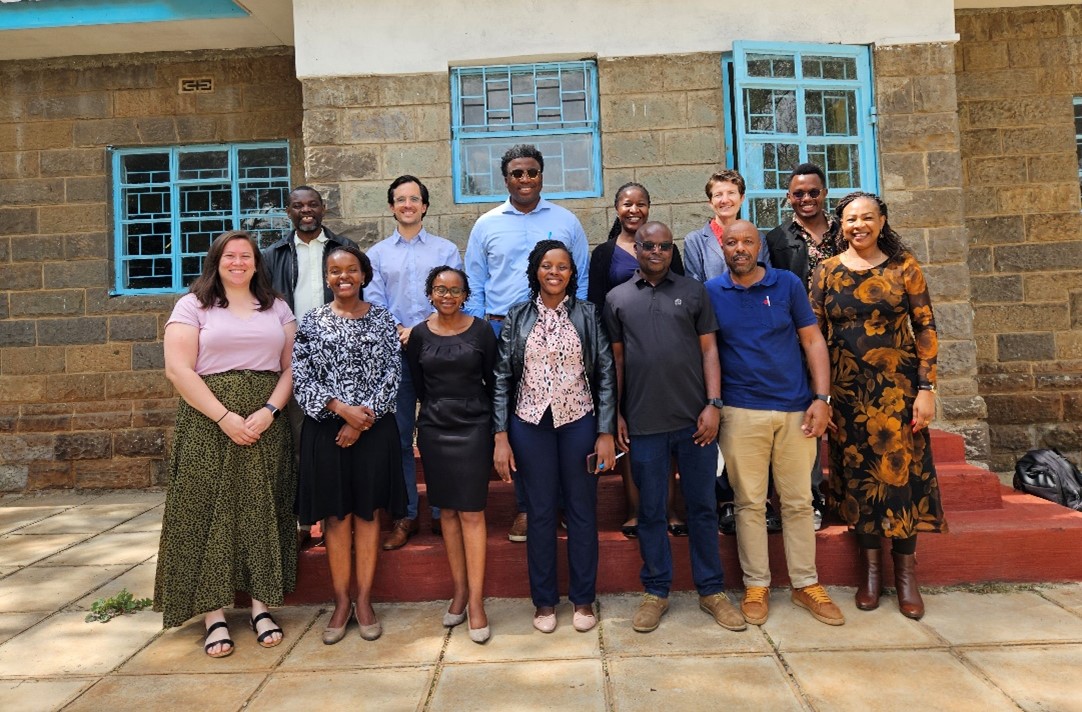
Researchers convened in Nairobi, Kenya on November 14, 2025.
In November 2025, researchers on multiple UW and Kenyatta National Hospital (KNH) collaborative projects focusing on HIV and tuberculosis (TB) convened in Nairobi to share key findings and discuss future directions. Dr. Sylvia LaCourse (Associate Professor with joint appointments in Department of Medicine – Allergy & Infectious Diseases and Global Health) presented on the role of HIV on TB infection detection, prevention strategies and immunity in pregnant women and children.
The shared results concluded more than 10 years of dedicated work by collaborators at UW (Dr. Grace John-Stewart, Dr. Tom Hawn, Dr. Barbra Richardson, Dr. Irene Njuguna), Emory University (Dr. Cheryl Day, Dr. Lisa Marie Cranmer), University of Nairobi (Dr. Lisa Maleche-Obimbo), and Kenyatta National Hospital (Dr. John Kinuthia). Future directions include considerations for policy to guide HIV and TB treatment and preventative strategies to improve health outcomes in Kenya.
(more…)
December 19, 2025
MIND study collaborators convene at UW to discuss future directions for childhood neurodevelopment research
Categories: Children, HIV and Co-Infections, Implementation Science, Research

MIND meeting collaborators at the University of Washington
December 5, 2025
Researchers receive major grant to study impact of HIV/ART exposure on child neurodevelopment
Categories: Awards, HIV and Co-Infections, Implementation Science, Research

Multiple Principal Investigators Grace John-Stewart, Dalton Wamalwa, Kathleen Powis, and Andrew Prendergast leading the newly awarded U19 RISE Project
An international research team with Global WACh and partners in the U.S., Kenya, Zimbabwe, and Botswana received a five-year long $36 million dollar grant from the National Institute of Health to better understand how HIV or antiretroviral (ART) exposure in utero influences child health outcomes, including neurodevelopment.
“Researching Interventions and Implementation Strategies to Evaluate the Health and Development of Children Affected by HIV (RISE)” is a large NIH-funded U19 Program to evaluate tools for screening children for neurodevelopmental delays and to identify interventions to optimize neurodevelopment among children with and without in utero HIV/ART exposure.
The RISE Program includes three distinct research Projects and three Cores that provide shared resources, focusing on scientific administrative support, data management and analysis, and dissemination and stakeholder engagement, to facilitate the Projects.
(more…)
November 13, 2025
Dr. Dickens Onyango receives Fogarty Emerging Global Leader Award to support research career development in TB prevention among people living with HIV
Categories: Awards, HIV and Co-Infections, Research, Youth
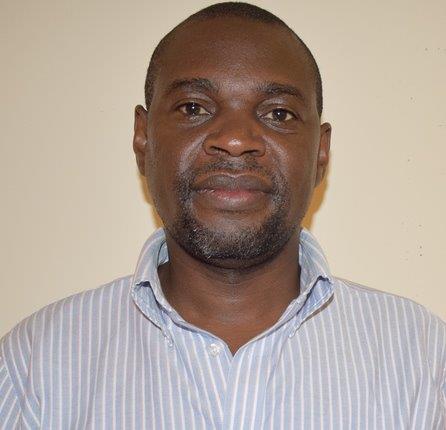 Congratulations to Dr. Dickens Onyango (Deputy Director of Medical Services, Kisumu County Health Department and visiting research scientist at Kenyatta National Hospital, Kenya) for receiving a National Institute of Health Fogarty Emerging Global Leader Award for “Enhancing Adherence and Completion of the Three-Month Isoniazid with Rifapentine (3HP) Tuberculosis Preventive Therapy Regimen Through Biomarker-Guided Adherence Counselling (ACT-TPT).”
Collaborating institutions include the Kisumu County Department of Health, Kenyatta National Hospital, and University of Washington.
The award supports an intensive, mentored research career development experience that will allow Dr. Onyango to further develop and expand skills in qualitative research, human-centered design, randomized controlled trials, and advanced implementation science methods to evaluate multicomponent interventions while growing in his career in tuberculosis (TB) prevention among people living with HIV (PLHIV).
Watch Dr. Onyango’s ‘Breakfast with WACh’ lecture from March 2025 that summarizes prior research that this project builds upon. (more…)
October 27, 2025
Dr. Irene Njuguna and Dr. Grace John-Stewart lead new study on the effects of HIV and environmental exposures on pediatric neurodevelopmental outcomes
Categories: Awards, HIV and Co-Infections, Research
 The population of children who are HIV-exposed but uninfected (CHEU) is growing, and the majority live in Eastern and Southern Africa where exposure to environmental toxins (lead, heavy metals, and pesticides) is high.
Understanding the combined impact of HIV and environmental exposures on child health outcomes is critical to identify approaches to mitigate risks and provide treatment for CHEU.
Global WACh Co-Directors, Dr. Irene Njuguna and Grace John-Stewart, are Multiple Principal Investigators of a new five-year National Institutes of Health award for “Impact of HIV and toxic metals exposure on neurodevelopment at school age (HOPE-X).” (more…)
July 15, 2025
Research Scientist Dr. Emily Begnel receives early career award to study antimicrobial resistance and its effects on gut health and HIV exposure in children
Categories: Awards, Children, Gut Health and Child Survival, HIV and Co-Infections, Research

Congratulations to Dr. Emily Begnel, Research Scientist with Global WACh, for receiving a Thrasher Research Fund Early Career Award to fund “The prevalence of antimicrobial resistance and effects on gut health among children who are HIV-exposed but uninfected.” The award funds early career investigators and their development towards independent research in child health. Dr. Begnel will conduct her research under the mentorship of Drs. Jennifer Slyker and Patricia Pavlinac (UW Global Health and Epidemiology), and collaborate with Dr. Ana Weil (UW School of Medicine) and the Weil Lab.
Antimicrobial resistance (AMR) is rising globally and threatens public health by decreasing effectiveness of antibiotics in treating infections. Children who are HIV-exposed receive the antibiotic cotrimoxazole to prevent a range of bacterial infections; however, there is concern that it may contribute to the development of AMR in these children. There is urgency to better understand the dynamics of AMR development and spread, particularly among children in low- and middle-income countries where AMR is prevalent. Pathogens can transfer resistance genes to the bacteria in the gut microbiome, potentially contributing to long-term AMR. (more…)
June 6, 2025
Global WACh Student Poster Symposium Round-Up 2025
Categories: Certificate Program, HIV and Co-Infections, Implementation Science, PrEP, Research, Talks and Events

Attendees viewing student posters.
On Wednesday, June 4th, Global WACh hosted its annual Student Poster Symposium to highlight graduate student research affiliated with our center. Dozens of UW faculty, staff, students attended to learn about 17 students’ projects that fulfilled academic capstone and dissertation requirements, while providing opportunities to gain knowledge and build marketable skillsets in the field of maternal-child health.
The majority of presenters are enrolled in the Global WACh Graduate Certificate Program and are graduating in the 2025 academic year. The certificate program offers opportunities for additional learning about woman, adolescent, and child health topics through 12 credits of coursework and a 90-hour capstone. We wish these students the very best in their future endeavors as public health professionals.
Additional posters featured master and doctoral degree capstones and dissertations that led to major advancements in the scientific field and were featured at the recent Conference on Retroviruses and Opportunistic Infections (CROI) held in San Francisco in March. CROI is considered the world’s leading HIV research meeting that attracts thousands of researchers and clinicians from around the globe – and is a fantastic stage to showcase our emerging early-stage researchers.
See a list of featured students and poster titles. View the photo gallery courtesy of the Department of Global Health Communications Team.
Next page