Skip to content

Illicit financial flows cost Africa $88 billion annually

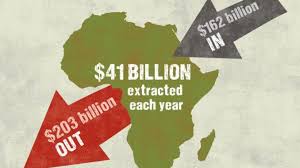
IFF graphic

The African Union, in an August 2025 report, estimates that illicit financial flows (IFFs) cost countries in Africa $88 billion per year. IFFs are illicit or illegal funds derived from criminal activities and/or illegal tax practices that are moved or transferred across countries, including international trade manipulations (the most common), tax evasion, smuggling, government corruption, and money laundering. Nearly half of these losses come from the ‘extractive sector,’ mostly mining. IFFs are fundamental drivers of economic injustice, and enormously undermine…

Re-imagining foreign aid

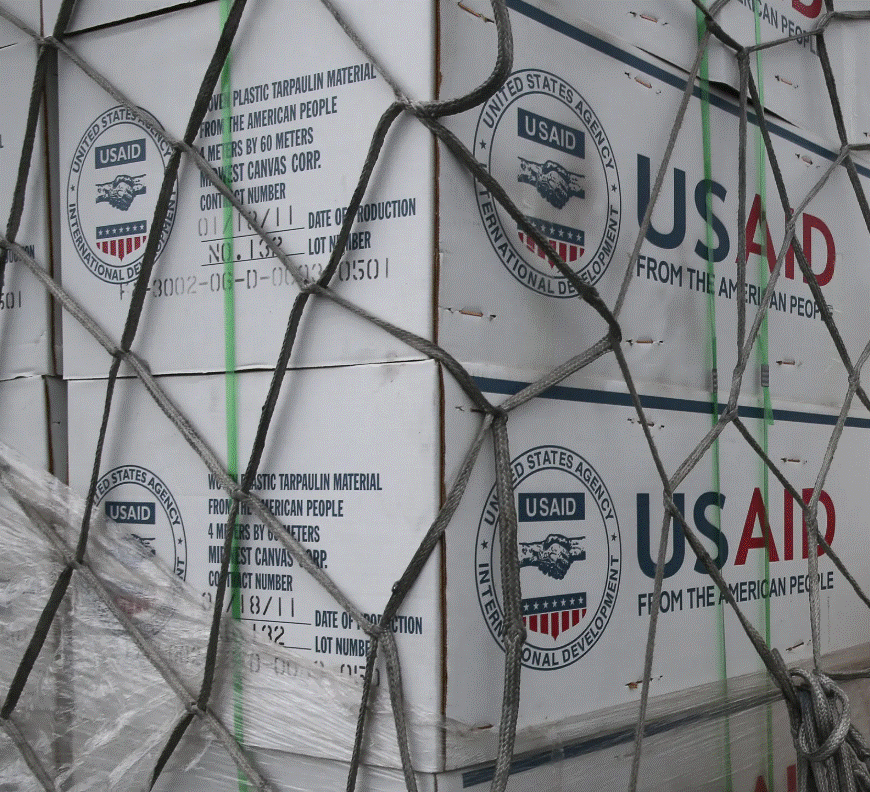
Farah Stockman in her NY Times editorial decries the chaos and devastation from cuts in US foreign aid, but also calls for re-imagining a foreign aid that addresses serious flaws inherent in the current forms of aid.  We know that local groups (especially under-funded government health systems) are far more cost-effective and attuned to what communities need – and stay long after foreign workers depart. Cutting out the middlemen is essential, and more cost-effective – as leaders in the global…

Malawi and Mali Demand Unpaid Taxes and Royalties from Multinationals

BBC news recently reported that the governments of Malawi and Mali are demanding hundreds of billions of dollars from U.S.- and Australia-based multinationals to compensate for unpaid taxes and royalties over the past 10 years. Charles Gitonga and Andre Lombard report that the Malawi government has accused Colombia Gem House, U.S.-based gemstone company, of not paying fairly for rubies exported over the last 10 years. The government is also demanding $4 billion from French gas giant TotalEnergies in unpaid revenue…

Kenya’s protests: The violent cost of IMF debt

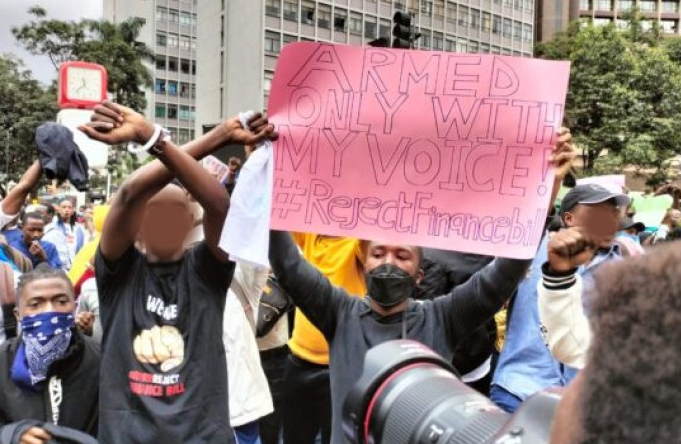
Peaceful protestors in Kenya against Finance Bill 2023.

Recent demonstrations against Kenya’s Finance Bill 2024 were met with deadly repression. At least 39 civilians were killed and hundreds injured by Kenyan police while protesting the proposed 346 billion Kenyan shillings ($2.6 billion) tax increase. This Bill was intended to generate government revenue, a condition of the $2.34 billion International Monetary Fund (IMF) 38-month loan issued to Kenya in April 2021. The proposed tax levies would have increased the price of basic commodities including bread, sugar, and car petroleum,…

More years of schooling improves all-cause mortality globally – Lancet

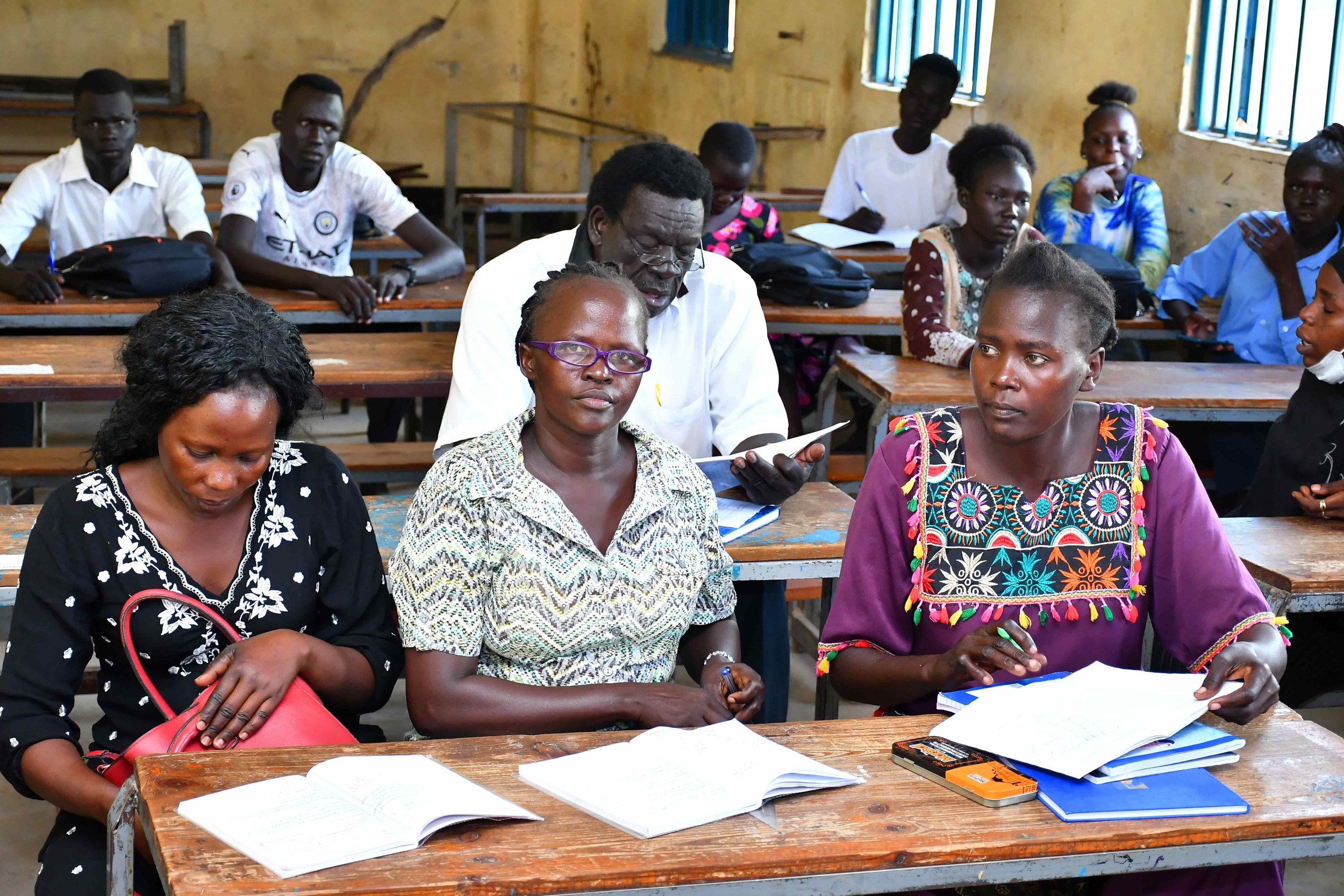
A systematic review and meta-analysis by the IHME-CHAIN collaborators (Lancet 23 January 2024) demonstrated that increased “years of schooling had a significant and consistent effect on all-cause mortality risk and that the protective effect of education persisted for female and male individuals, across all age groups, and all levels of Socio-demographic Index of the country where the data were collected. These findings are similar to the protective effects of a good diet and physical activity and the harms of risk…

UN Tax Reform offers hope to Low Income Countries

In late November 2023, developing countries at the UN won a historic vote to set up a tax convention in spite of resistance from rich countries. This Guardian editorial (see below) explains how poor nations’ ability to feed, educate and provide healthcare to their people is hobbled by illicit and hidden movements of capital worth billions each year. The Tax Justice Network (also below) documents how countries around the world are losing US$480bn in tax a year to tax abuse, with…

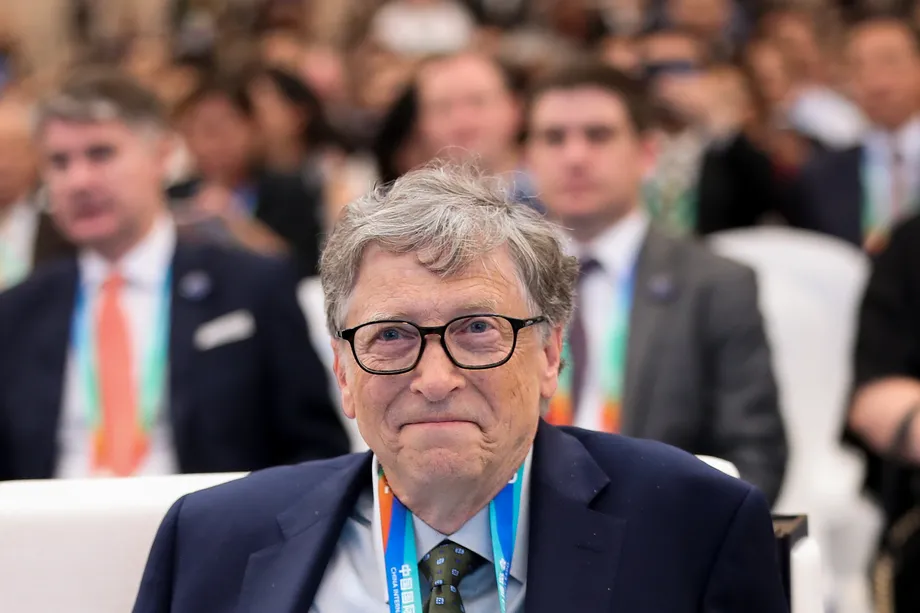
Is Bill Gates a barrier to fair taxation?

Fair taxation is fundamental to global health. Taxes provide the necessary resources to finance strategies to improve health, including social determinants of health (education, nutrition, housing, water, sanitation) and health care. Taxes provide resources for the public health infrastructure that is essential to implement and scale up the technologies and programs developed by the Gates Foundation. Taxes are also a mechanism to reduce the unconscionable income and wealth inequality that enormously impacts global health. As important as it is, fair…