Main menu:

Site search

Categories

November 2009
S M T W T F S
« Sep    
1234567
891011121314
15161718192021
22232425262728
2930  

Archive

Alaska Native Medical Center, Anchorage, Sept 2009

Howdy, my name is Kanishka Garvin, and I’m currently an R3 and just finished my WWAMI rotation at the Alaska Native Medical Center in Anchorage. It was a great experience and strongly encourage anyone interested to do it.

The rotation had been primarily a hospitalist rotation, though now, they have opened opportunities for more critical care experience by adding an intensivist rotation as well as a clinic/outpatient component. You can choose one of the three exclusively or do some combination. The experience is whatever you make it of it. (FYI, they provide you with free housing and car rental.) I chose only the hospitalist component. You rotate with a different attending each week and usually carry 4-6 patients of your own. When you change attendings, you carry those patients with you for continuity. The attendings are great teachers and have been at ANMC for a long time. They really like UW residents and enjoy teaching. They give you full autonomy with your patients. You round by yourself and usually touch base with your attending if you have any questions later in the morning. The hours are usually 8:30 to 4 (very flexible, no overnight call obviously) unless your attending is admitting that day, then you stay a little later til 6 or 7. (this is only once a week.) You do work one weekend but they give you a 4-day weekend to make up for that. (which is great for long travels into Alaska).

The medical center itself is a beautiful facility with a unique patient population. It is a referral center exclusively for the Alaska Native population and you will frequently meet patients from the Arctic Circle, the Aleutian Islands, or somewhere else in the middle of nowhere. I’ve learned a ton about a variety of Native cultures and some of the medical issues related to them. There is a lot of bread and butter here with a lot of alcohol-related issues (dilated cardiomyopathy, GI bleeds, etc. ) However, there are fair number of cases you will see here not in the lower 48 states. There is a high prevelance of post-partum cardiomyopathy in Native women which you will take care of. In addition, there are a high prevelance of infectious diseases unique to here due to the dietary and hunting pratices of Alaska
Natives. They include botulism (the highest anywhere in North America), echinococcosis, and trichinosis (from bear/walrus meat).

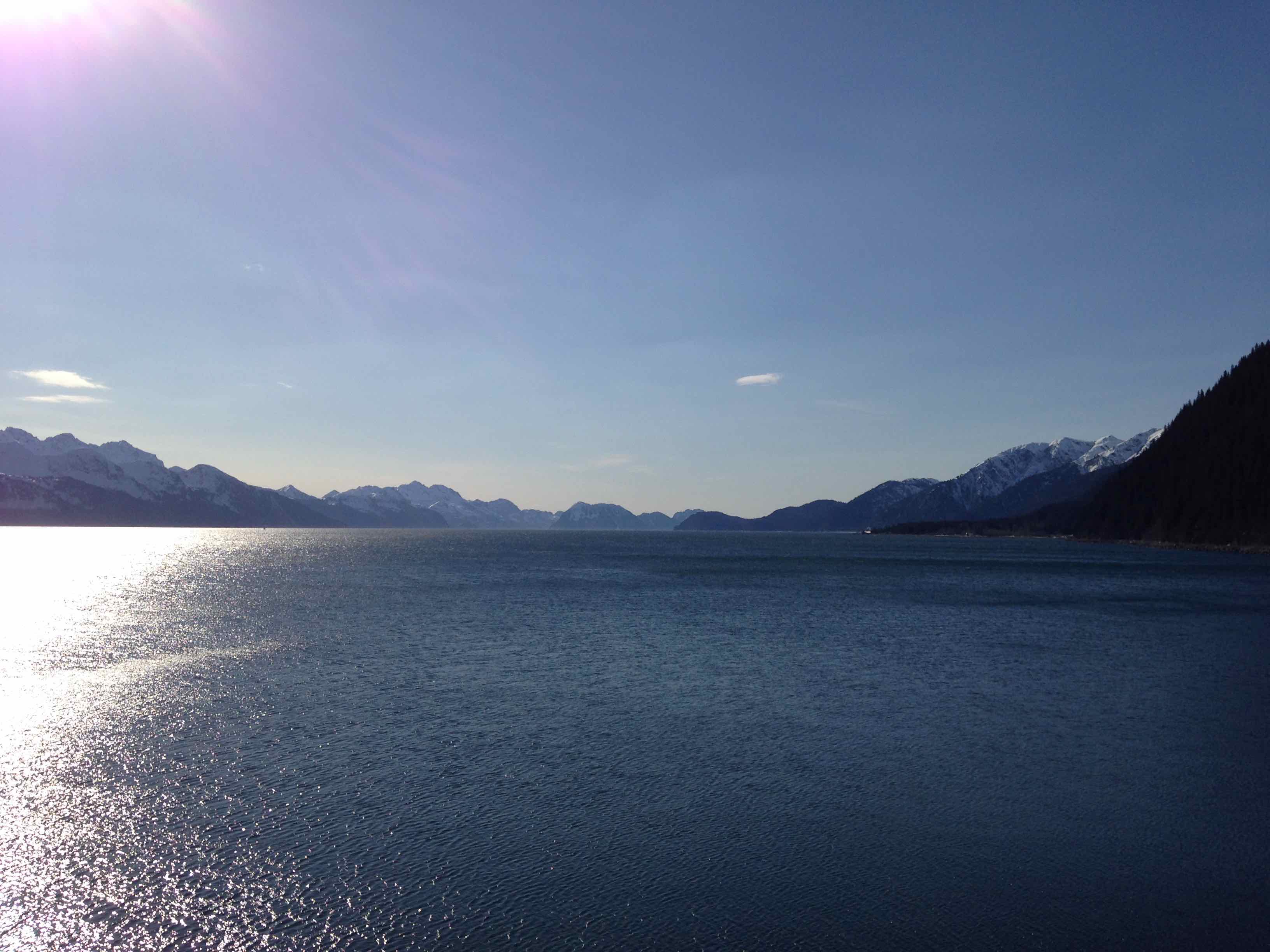
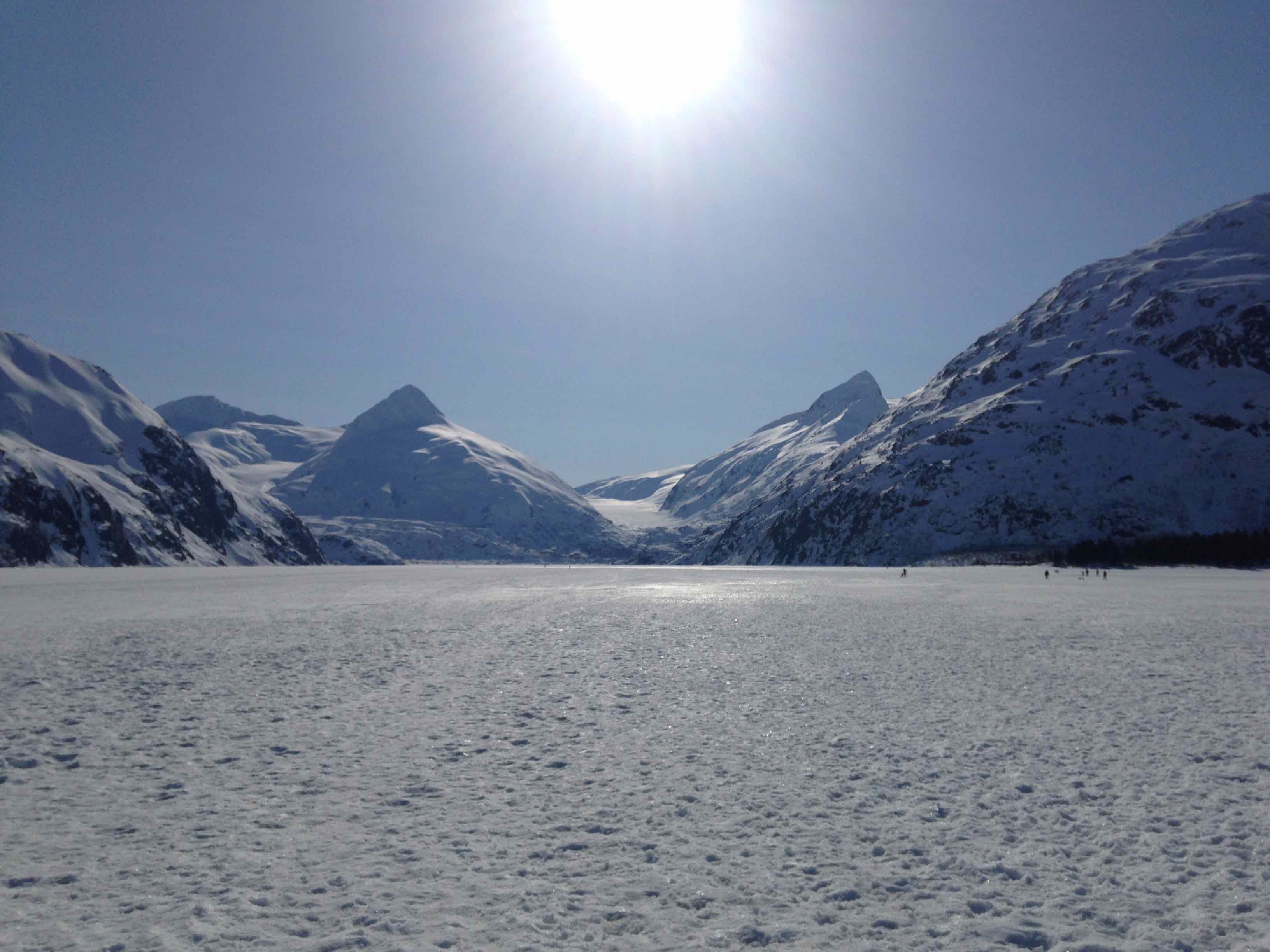
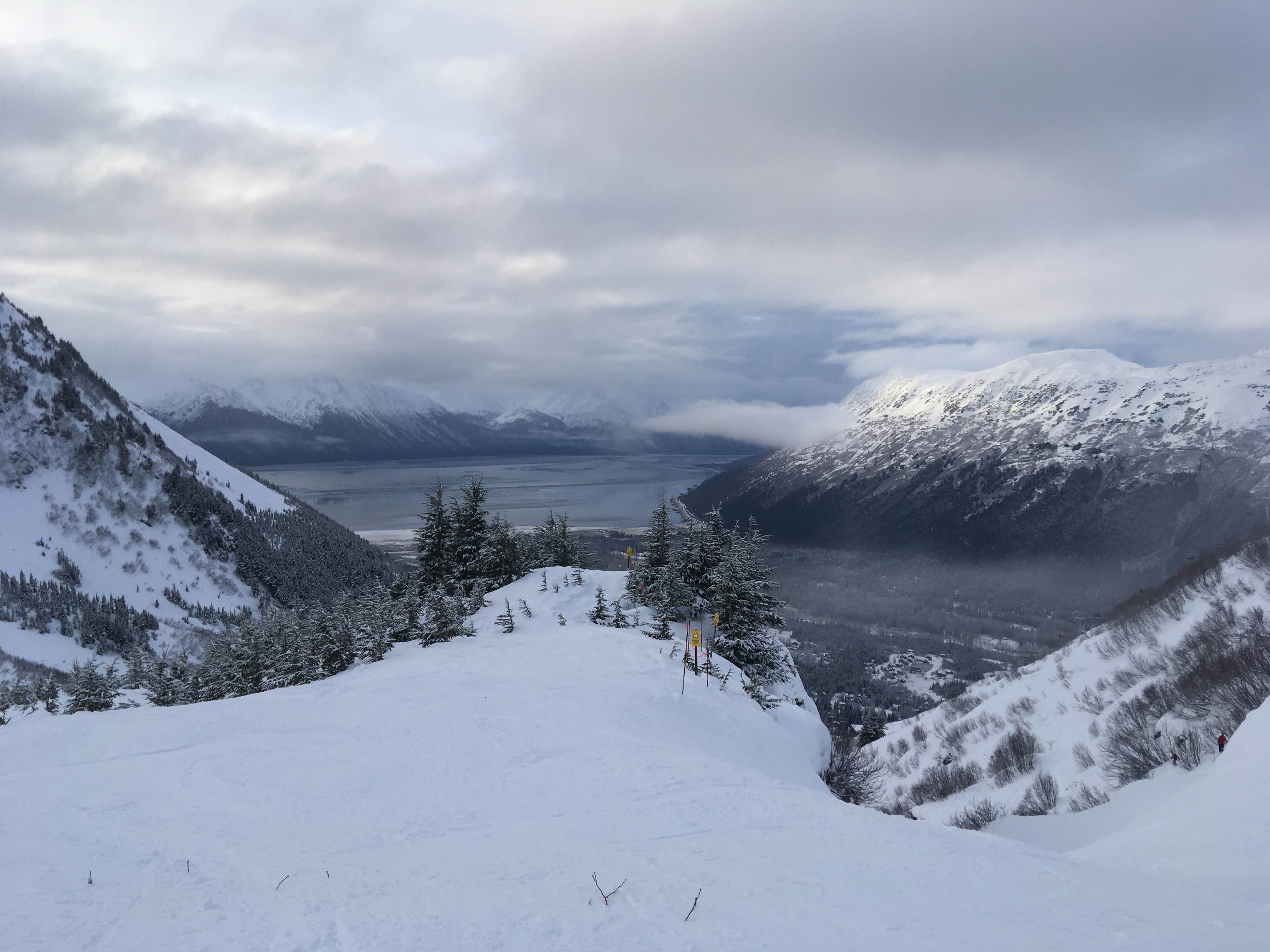
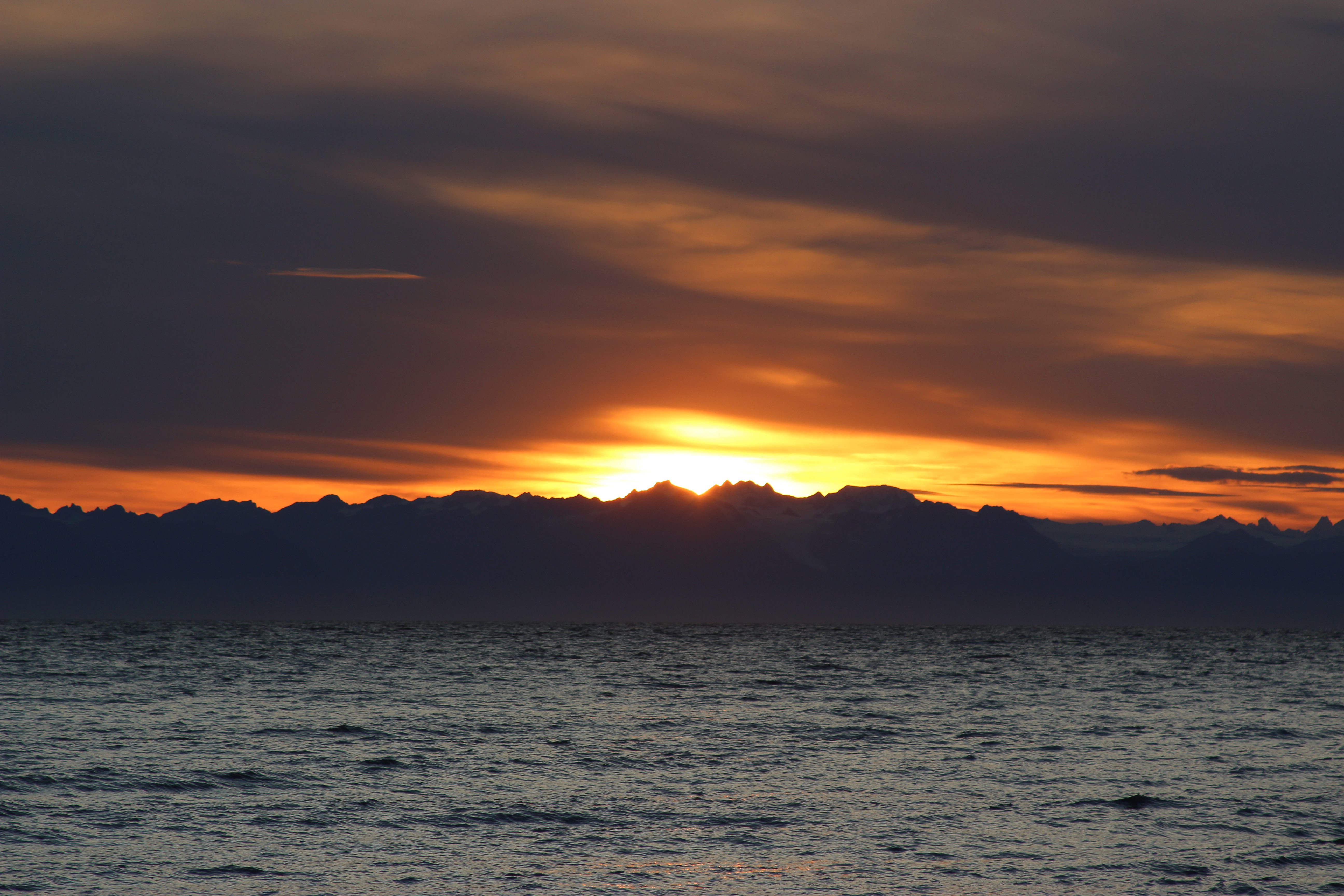
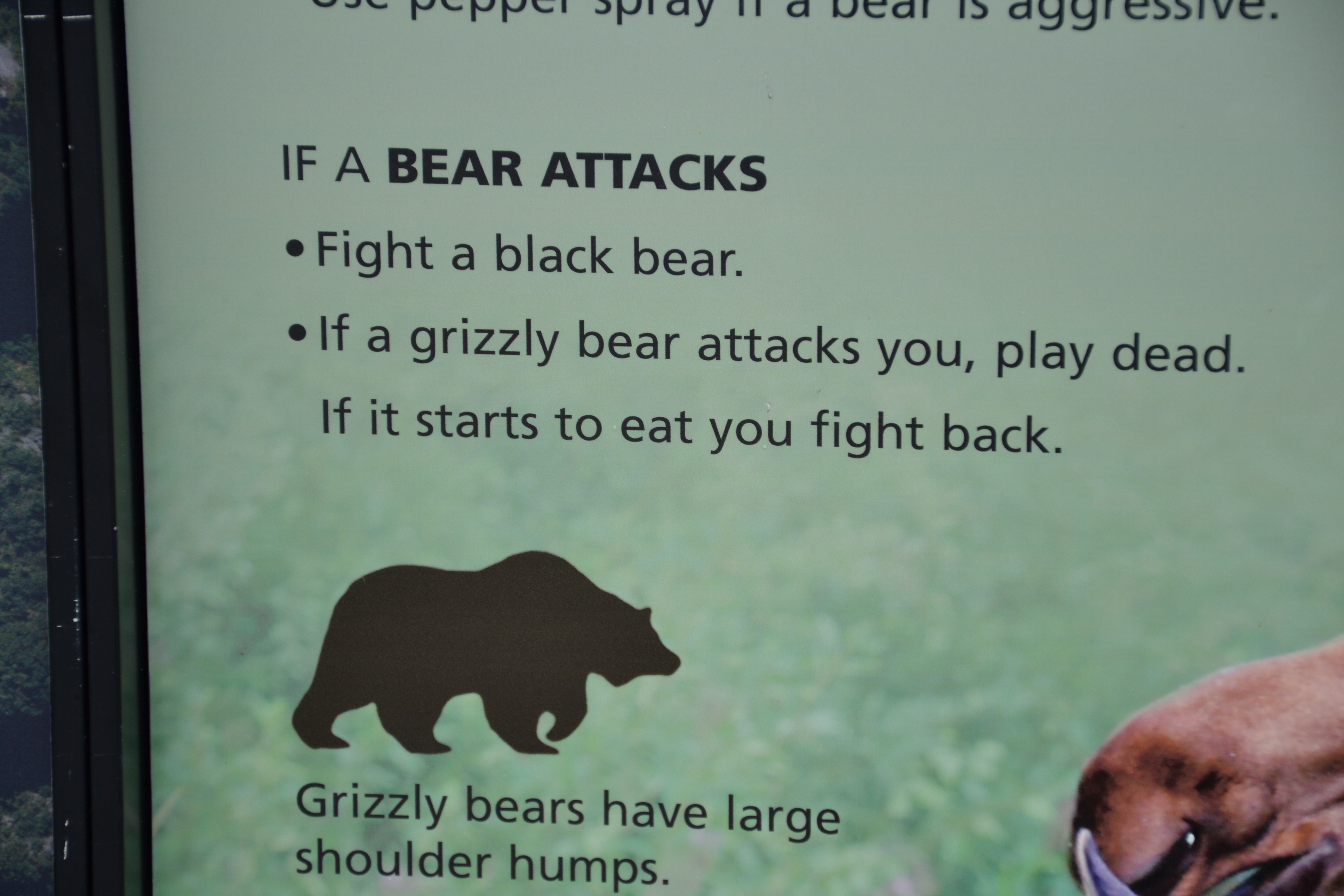
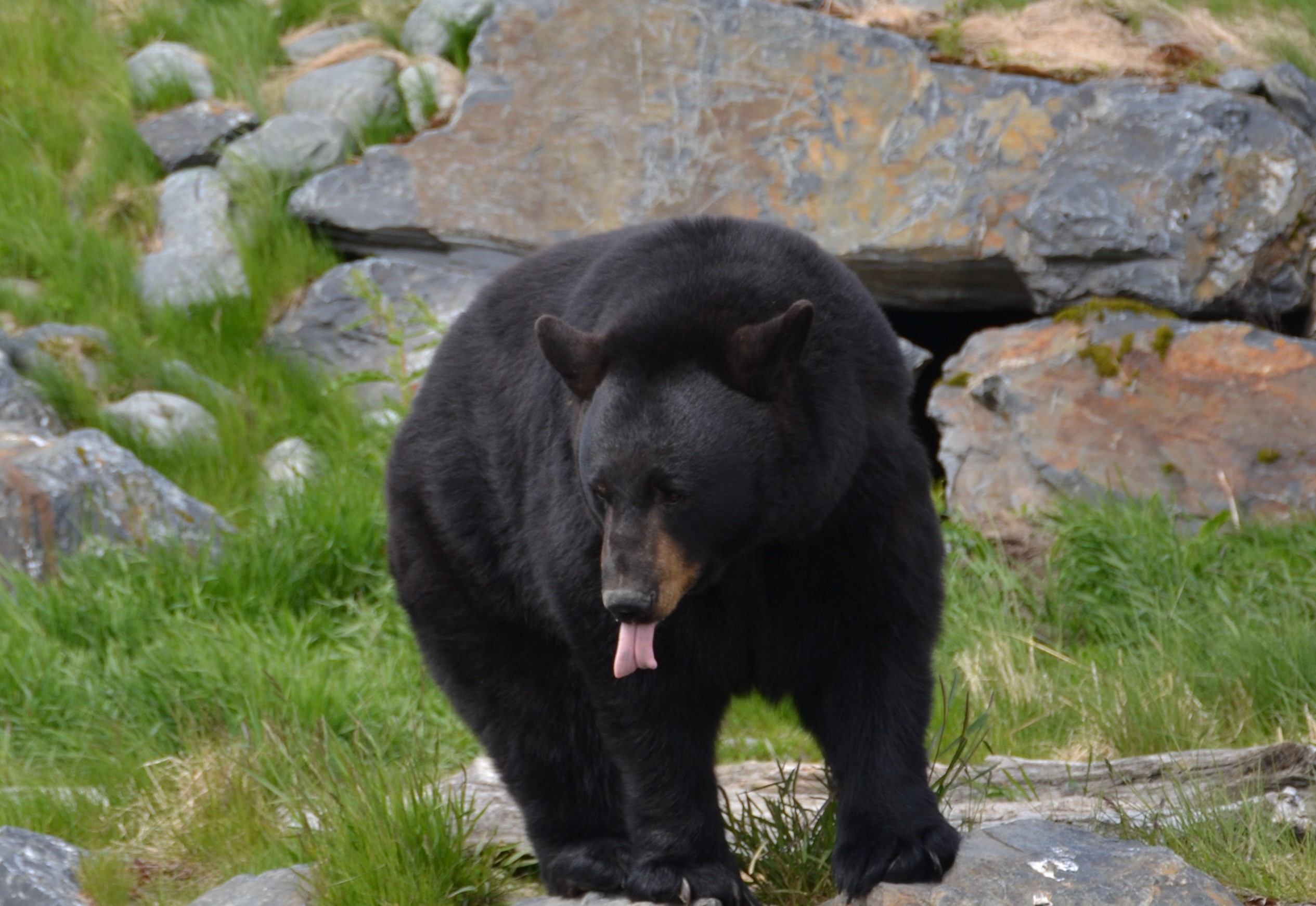
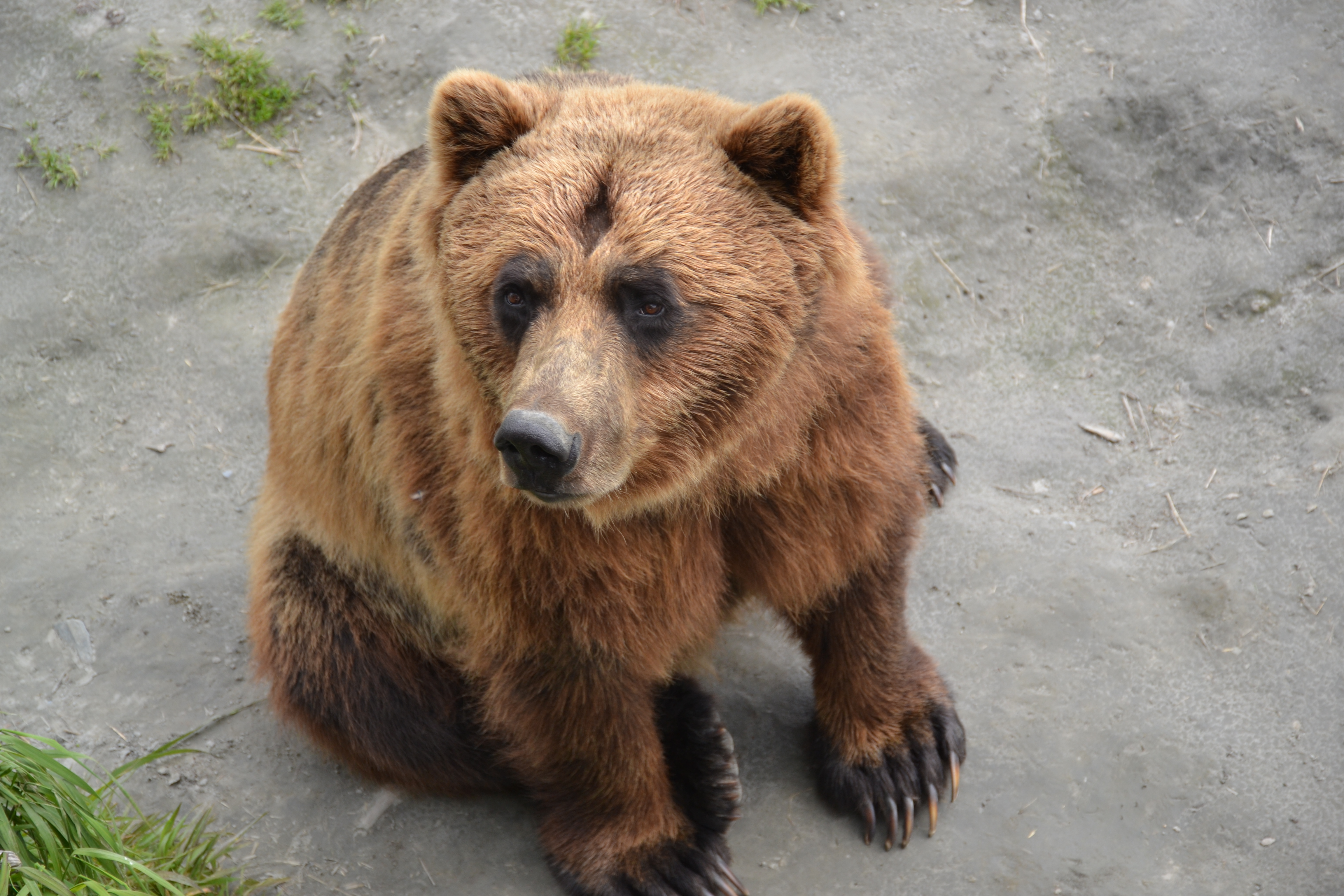
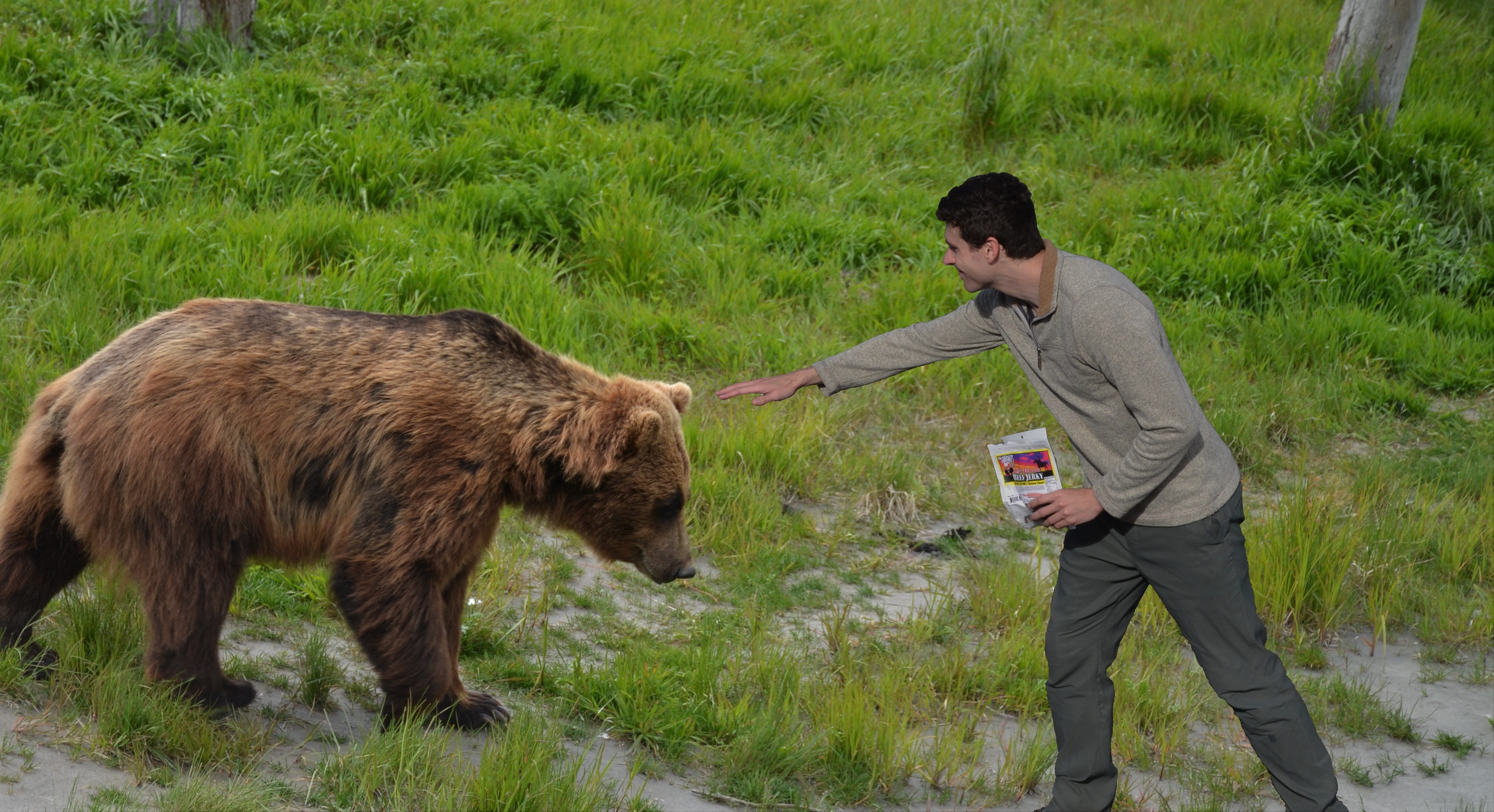
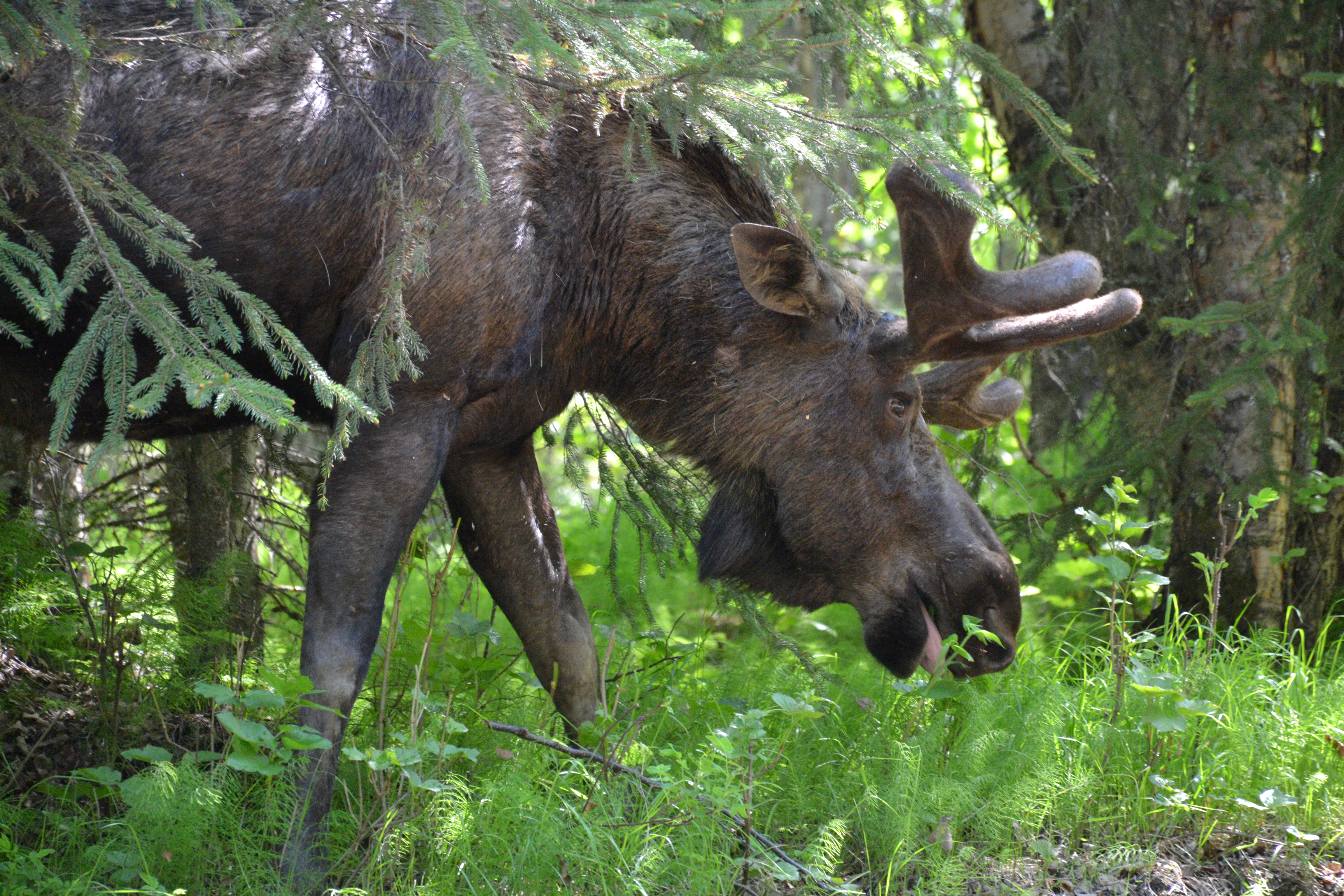
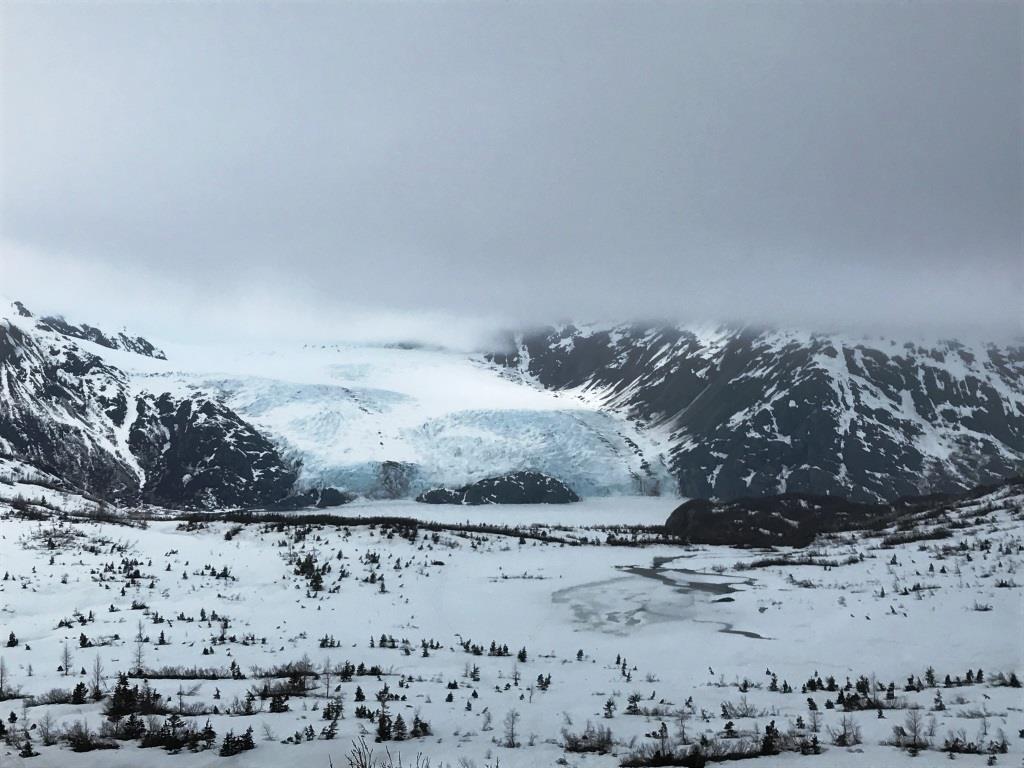
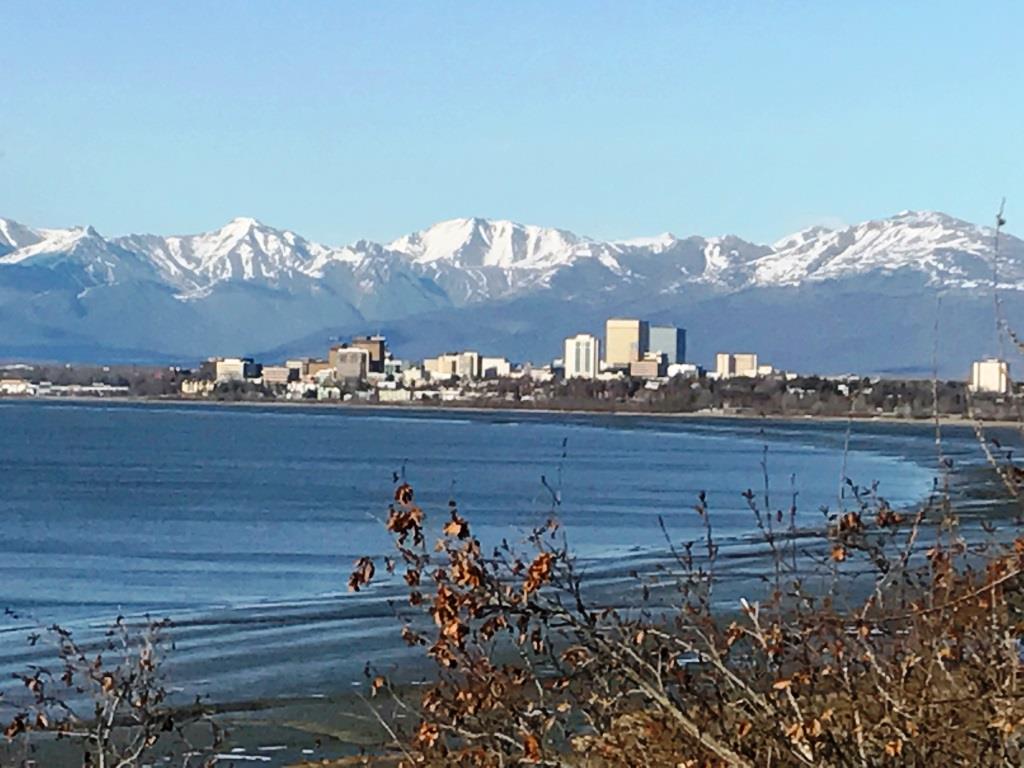
Alaska is probably one of the most scenic places I’ve been. I think Washington State and the rest of the Northwest pale in comparison. I recommend coming between April and September for good weather and daylight. Anchorage itself is like any other American town with everything you need, though surprisingly diverse. You can still retain some of the ethnic fare from Seattle with decent Thai and Indian but there are a lot of good local restaurants and bars for that “Alaska” experience. There is a nice downtown area and tons of parks around for cycling or hiking. And it’s not unusual to encounter a moose or two since they are everywhere. The best thing about Anchorage is that it is a great launch pad to visit the rest of Alaska. I was able to go north to Denali National Park (use your long weekend for that) which was only 4-5 hrs away. If it’s a clear day, one of the most scenic places in the world with Mt. McKinley and tons of wildlife. I saw grizzly bears, moose, caribou, coyotes, and even a lynx. You could even go further north to Fairbanks and beyond to the Arctic Circle. Then, to the south of Anchorage, there are a lot of places to go on the Kenai Peninsula. I went to Whittier (1 hr) for glacier viewing and to the coastal town of Seward (2.5 hrs) where I saw killer whales, sea lions, and other wildlife in the ocean. Homer is another coastal town (6 hrs) that would be a good overnight trip to launch from Anchorage, and you could stop in Soldotna (3 hrs) or other towns along the way.

In conclusion, I had a great month getting to experience Alaska. And my clinical experience was fantastic both from a medical and cultural standpoint. I highly recommend this WWAMI site! Please feel free to contact me with any questions.

Sandpoint Rocks

I loved my WWAMI month in Sandpoint, ID so much that I went twice!  The month is a neat balance of inpatient, outpatient with oodles of continuity, and procedures—EGD, colonscopy, and TEE.  Dr. Crane’s breadth of knowledge is truly awesome and he enjoys both teaching and learning from you.  You get most if not all weekends off and can go skiing at Schweitzer ski resort in winter or swimming in Lake Pend Orielle and backpacking and huckleberry picking in the summer.  I’m happy to talk to anyone about this experience! 

Lake Pend Oreille in Sandpoint, ID

Lake Pend Oreille in Sandpoint, ID

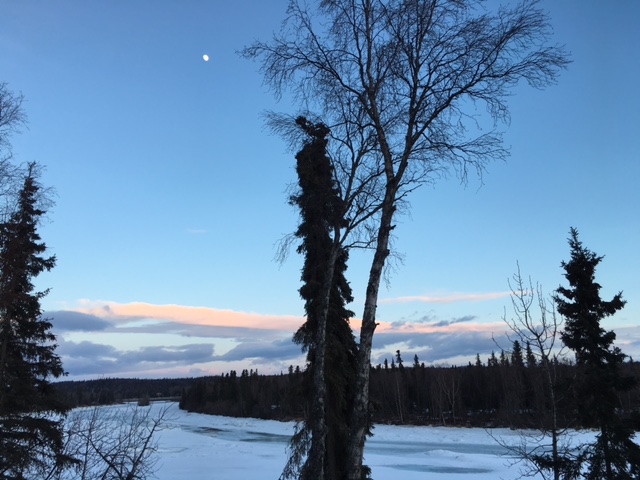
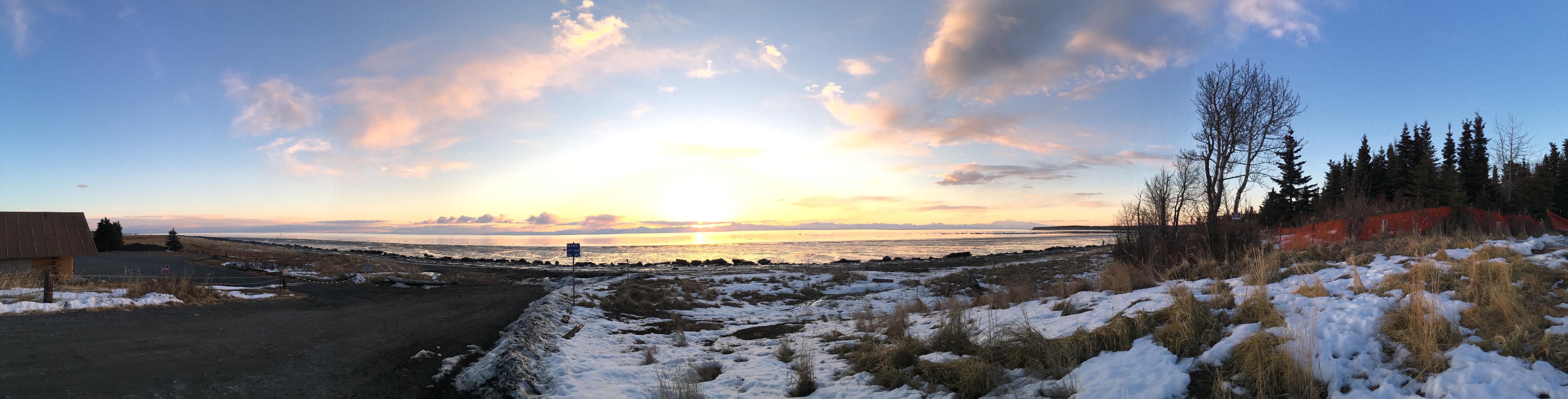
Spring in Soldotna

I just spent a month in wonderful Soldotna, AK and highly recommend it for anyone considering a WWAMI month. It’s great opportunity to experience rural medicine at it’s finest. Over half of the attendings are UW graduates and display a range of practice styles that are all top notch. An average day entails arriving at the hospital at 7:00 or 7:30 depending on the day for one of various conferences/meetings. The rest of the morning was spent rounding on patients. I had anywhere from 1-4 at any time that represented some of the more interesting admits from the previous night or during the day. There’s a different attending on call each day and I checked in with them throughout the day to see if there were any new admits.

If not admitting patients, I spent the afternoons helping see patients in the clinic. I had the chance to help read echos and perform endoscopies throughout the day as well. This is one of the coolest things about practicing in a small community. Without a cardiologist or gastroenterolgist in Soldotna, the generalist have trained to do these procedures themselves. This also meant that for consults, patients at times have to be airlifted to Anchorage. If that happens, I highly recommend talking with the flight nurses and pilot about accompanying your patient in flight to see the transport process first hand. The helicopter sits just outside the ED and as it lifts off, you have an incredible aerial view of the Kenai Peninsula en route to Anchorage.

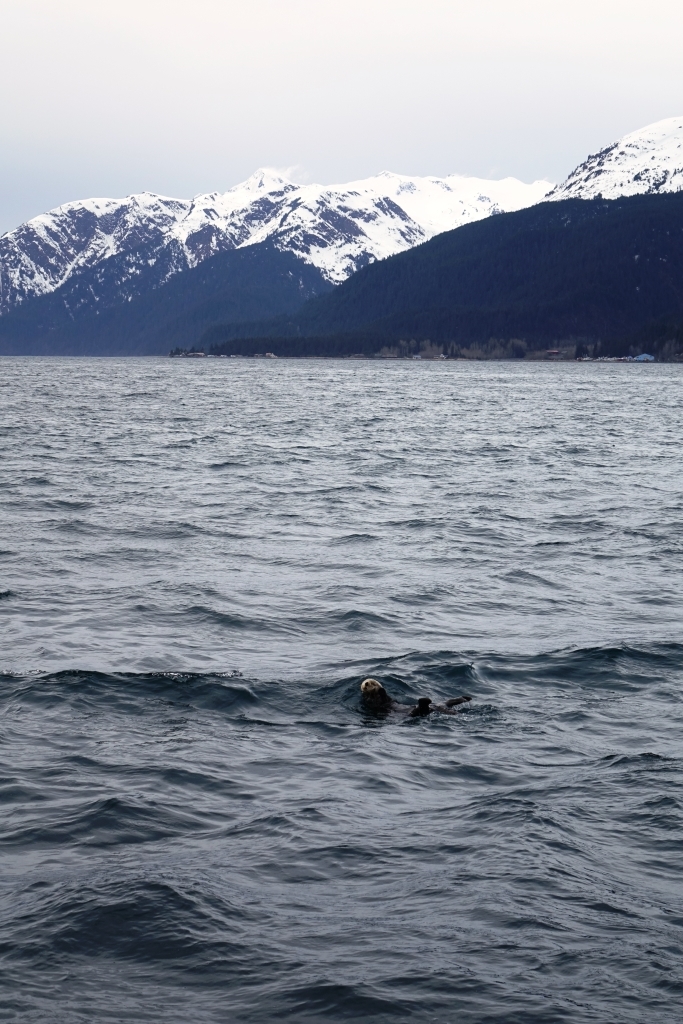
Aside from work, there is plenty of time to enjoy all that Alaska has to offer. I was on call only one weekend, but had the rest of the weekends and all evenings free to explore The Wilderness. There are two fishing villages: Homer and Seward that are magical and only 2 or so hours away. Spend your weekend evenings at a bed and breakfast and your days exploring the water for whales, sea otters, and shorebirds in a kayak or on a boat tour. If you’re here during the Spring you might be invited to watch Dr. Kelly, a commercial fisherman in his other life, unload his latest catch of halibut. Dr. Bramante, a dog musher in his other life, will introduce you to his 30 dogs and take you on a run with them. The attendings here really embrace the work hard play hard mentality and their passion for both is infectious! Come and see.

ANMC Anchorage 5/09

My name is Adam Corson and I was an R3 when I did my WWAMI month at Alaska Native Medical Center in 5/09.  This is a hospitalist rotation.  The town of anchorage has all the resources you need, but is somewhat laking in character/things to do.  Once outside of Anchorage, however, there is more outdoors things to do than you can handle.  Outside of the city is absolutely beautiful.  While I was here I went to Denali National Park and Seward, both of which had scenic drives and were well worth the trip.  I would recommend doing the rotation between March and October if not May to Sept.  It does not get dark until 11pm and high most days was 60-70 degrees in May.  This made outdoor activities very doable.  In the winter it is cold (-20) and dark (4 hours of daylight).   You routinely see moose wandering around and if you are lucky you can see a bear or a lynx.

The hospital itself is a good facility and the patient population is different from that seen in Seattle.  Alcohol abuse permeates this population.  I had never seen a case of dilated cardiomyopathy prior to this rotation and I saw at least 10 while I was here.  The attendings are good to work with, just try and stay away from the locums people (they will assign you a different attending every week, so this will probably be out of your hands).  I realize these people will change by the time someone else visits, but the permanent guys are all solid.  You carry 5-7 patients per day, 1-2 in the unit.  Hours are 8:30 to 4pm most days, weekends off.  I would flip around your schedule so you can get 3 or more days off in a row to travel around.  You also get to do EGDs, as all of these are performed by the hospitalists.

All in all a great rotation.  Not enough free food though.

March in Livingston

img_0174

Livingston Memorial Hospital

I’ve gotten pretty comfortable working in Livingston over the past month.  I’ve learned an enormous amount by working with Dr. Wadle.    His clinic patients are some of the nicest people I’ve ever met, and they have different problems than many of my continuity clinic patients at Harborview.  Dr. Wadle takes care of his patients in the clinic and the hospital in addition to doing his own screening EGDs and colonoscopies every two weeks.  I also enjoyed visiting one of the local nursing homes with him.  Working in all of these settings allowed me to get to know Dr. Wadle’s patients very well; the continuity of care here is amazing. 

I also had some time to explore the surrounding areas.  I went hiking and snowshoeing in Yellowstone, swimming in the Boiling River (you MUST do this in Yellowstone), dog sledding, skiing and snowboarding.  I also went running with Dr. Wadle on Tuesdays at lunch; he goes rain or shine with one of the family practice doctors from the hospital.

Livingston itself is pretty small, so I ventured out to Bozeman few times (it’s only 25 miles away).  Working in Livingston for the month has been amazing – I highly recommend it!

Soldotna, AK

My rotation in Soldotna has been one of the highlights of my residency.  Soldotna is a small town on the Kenai peninsula, 3.5 hours drive south of Anchorage.  I flew into Anchorage and took the Homer Stage Coach shuttle bus to Soldotna, a gorgeously scenic drive with views of water and dramatic mountains (the alternative is flying into Kenai airport from Anchorage, which takes only 20 mins and is not much more expensive).  I was greeted in Soldotna by Mary-Annette, a clinic administrator, who was extremely helpful during my time there, helping me to settle in and to obtain my delayed Alaska medical license (I would recommend starting the process way early, at least 3 months in advance).   Residents are provided with a car, so getting around is easy, and lodging is comfortable and convenient with plenty of space for family/friends.

I worked at an internal medicine clinic which was conveniently located across the street from a hospital with ICU level care.  The practice consists of 7 attendings, with a range of styles but who are uniformly excellent clinicians, teachers, and warm human beings.   I think of them as “super-doctors” since they possess a breadth of knowledge and skill, providing quality care to patients with a wide range of illness in a setting with few specialists; some of the attendings practiced GI endoscopy, echocardiography, bone marrow biopsies, and provided chemotherapy infusions.  The rotation is flexible and tailored to your interests; could be a great rotation for anyone, especially those interested in rural medicine/primary care, hospitalist, GI, cardiology, oncology.  My days consisted of rounding in the morning on my inpatients, seeing patients in clinic late morning and early afternoon, and then checking in on my inpatients late afternoon.  The attendings rotated call, so I would check in each morning with the attending that was on call, and they would page me with interesting admits.  I had no overnight call, and was on call for one weekend.  I saw an extremely broad range of patients, both in the clinic and at the hospital, and was able to get experience performing endoscopy and reading echos.  I also sat in on staff meetings in the clinic and in the hospital, which offered great insight into the administrative and financial issues pertinent to running a primary care clinic.  I worked with all the attendings, but mostly worked with Dr. John Bramante, who is incredibly kind and really watches out for the residents, making sure that the rotation is a fun and worthwhile experience.

Alaska is a beautiful state, so it is imperative to enjoy some of the natural surroundings while you are there.  I went 8/25 to 9/21, the weather was mostly cool and rainy while I was there, not a big deal for a Seattlelite.  Dr. Bramante invites residents over to his house for dinner with his family, his home has acres of land, horses, pigs, and 30+ sled dogs!  I enjoyed a refreshing ride with the sled dogs on a 4-wheeler (there was not enough snow for sledding at the time I went).  I would recommend a week of vacation before or after the rotation for more travel (I wasn’t able to do this due to schedule commitments).  However, I did have the chance to go to Denali national park and camp there for a weekend–it was one of the most beautiful places I have ever been, with brilliant fall foliage, breathtaking Mt. McKinley, and tons of wildlife.  Another weekend, I went to visit a friend living in Anchorage, went to the Alaska state fair and did some small hikes (flattop mountain and portage glacier).   On the drive back, stepping out of the car at Turnagain Arm to enjoy the view, I saw beluga whales in the wild!   Soldotna itself is a small town with not much to do, at least based on my experience; there is a cool pub for hanging out called St. Elias.  My exploration of Kenai, a town 12 mins away, was a bit more fruitful, I ate yummy halibut burgers at Burger Bus (yes its a burger joint in a old bus) and got my espresso coffee/wireless internet fix at Funkey Monkey, a nice, artsy cafe despite the name.  Other activities I would have done had I had more time are visiting Homer, a beautiful seaside town, and hiking around Seward, both ~ 2 hours away from Soldotna.

I had a wonderful experience in Soldotna and would love to talk to you about it.  Please feel free to contact me with questions.

Jeanie Yoon (R2)

Soldotna

I knew I wanted to take advantage of the opportunity to visit one of the WAMMI sites from the moment I heard about these amazing experiences on the interview trail.  As a third year resident I was thrilled to finally be scheduled to go to Peninsla Internal Medicine in Soldotna, AK in March.  I couldn’t wait to see Alaska and meet the legendary dog sledding Internist from New Jersey- John Bramante.  When we got the news that my wife was due with our first daughter 4 weeks before I would have been scheduled to leave, I figured I’d have to cancel the rotation and put my dreams of Alaska on hold.  When I told my wife that I planned to cancel the rotation, (to  my amazement), she said- “why don’t we just take the baby and go?”   So that’s how we found ourselves bundling our 5 week old daugter into a pickup (in her carseat of course) in -20 degree weather and heading for Soldotna on a sunny morning in March of 2006.

In short, our experience in Soldotna was the best month of residency.  We were immediately welcomed into a group of gifted and carring internists and had a wonderful time being a part of the workings of a small town internal medicine practice. 

An average day included waking up in our house on  Kenai river and looking out the window to see a bald eagle or perhaps the neigborhood moose strolling by our window as we drank our coffee.  Then I would head to the clinic which is accross the street from the local community hospital (with ~25 med/surg beds and 4 ICU beds).  I had my pick of patients to see and the opportunity to do EGDs, colonoscopies and transesophageal echos -all done by the internists in the practice.  In between seeing patients in clinic I would walk accross the street and round on a few of the practice patients in the hospital.  The schedule was EXTREMELY flexible and John Bramante and the other docs in the practice were always going out of their way to make sure I was getting the most out of my time.     

When I wasn’t occupying myself with seeing patients, we found plenty of ways to occupy our time.  Despite having an infant and the fact that the temperatures never got above freezing the whole tiime weere there, we had a blast.  We went snowshoeing, had dinner with the folks in the practice, visited Homer and Anchorage (where we saw the start of the Iditerod), went cross-country skiing, went ice fishing and (of course) went dog sledding with John Bramante (having a beer while watching the sunset and mushing takes a bit of coordination but is highly recommended!). 

I’d reccomend this rotation to anyone who’s got a warm coat and pair of gloves and is interested in working with a wonderfull group of physicians in a little different environement than Seattle.  -Brad Glavan IM resident 2003-2006

Mark Derleth in Soldotna 1/09

Things are going well here in Soldotna. I’ve focused my time on learning to read echos and trying my hand at endoscopy. Each day I also do a few consults or admissions in the hospital and see a few patients in clinic. There’s a lot of freedom to vary your clinical experience, which has made this a laid back, but valuable experience for me. The docs here are great; many of them were UW residents. John Bramante has had me down to his place several times to see his sled dogs; I even rode in the sled briefly. I’ve been skate skiing almost every day up at the highschool, where there is a great system of trails that is free to use and lit at night. The trails are about five minutes away from the apartment. I’ve seen a few moose carcasses but no live moose yet (which the locals can’t believe), a snow bunny, and about a thousand bald eagles. The bears are asleep this time of year. The medicine experience is great. I’ve seen an abundance of interesting cases. One lady came in with a calcium of 18 secondary most likely to milk alkali. I did another consult on a lady with MRSA pneumonia and found out that she had a huge buttock abcess; we got an echo and found that she also had a right atrial abcess. Taking care of folks like this in this rural setting is a unique and invaluable experience.

Dillon, Montana

The reason I chose to go to Dillon was to have the opportunity to experience what it is really like to be a small town rural doctor who does it all, and that is exactly what I found.  I worked mainly with Dr. Sandra Mcintyre who is a smart, dedicated, charismatic graduate from the UW program who is deeply loved by her patients.  Our days were spent going between clinic and the hospital to check on our inpatients.  On Monday afternoons we would do stress testing, and on many mornings she performs her own endoscopies.  One of the most rewarding parts of the month was seeing patients who I took care on in the hospital back in clinic after their discharge.  There were patients I saw 4-5 times during the month, true continuity!  Of course, you cant beat the location, so close to yellowstone, world class fly fishing, and miles of open beautiful prarie.  If you go in September you will also get to experience the big rodeo that comes through town…this is one of the truest cowboy towns in the country and a must see!

Jackson, WY

Christmas in Jackson, WY

Christmas in Jackson, WY

I spent December and a portion of January in Jackson, Wyoming working with Dennis Butcher.  It was an incredible experience.  The clinic staff were warm and welcoming.  We saw a range of patients, including my first horse wreck.  The hospital is small, but friendly.  The strength of this site is the preceptors and the patients.  It’s a glimpse into real primary care.  The town of Jackson itself is fun and full of activities.  I skied, did some ice-climbing and learned how to two-step.  Please feel free to contact me with any questions.