


How much does eating locally-produced food help the climate problem? What are the other potential environmental and social benefits of eating locally-grown/produced food? Do you have a food garden in your school or at home? If not, do you want one?
Home Grown
Recent posts:

I have been wondering how much energy it truly saves growing your food at home? Being able to grow it at home and also recycle using your old food to develop new food surely has to save energy, right? Is it truly worth the extra effort?

I think you are right because growing your own food can help save energy. When people grow vegetables at home, there is less transportation, less packaging, and less food waste. Many fruits and vegetables travel long distances before reaching stores and this uses fuel and creates pollution.
Using food scraps to make compost is also a good idea. It helps the soil stay healthy and reduces waste. Having a small garden can also be relaxing and can help people eat fresher and healthier food.
However, growing food still needs water and time. People must take care of the plants regularly. If gardening is done in a simple and natural way, it can be good for the environment. Even if it takes some effort, I think growing food at home is worth trying because it has many benefits for both people and nature. It can also teach responsibility and help families spend more time together outside.?

Having food that is grown in your own country and local area is important for the carbon footprint of the Earth. Transporting food over long distances, for example by air, can release a large amount of carbon dioxide. Shipping by sea can be very efficient, unless the journey is extremely long.
Production is also a major factor. For example, growing vegetables can be difficult in Iceland during winter, as greenhouses require a lot of heating, which means a high use of energy. Refrigeration in stores is also a significant issue, as it requires a lot of electricity to keep vegetables and dairy products cold around the clock.
The conclusion is that if people can grow their own food or obtain it from nearby sources, it is more beneficial for our carbon footprint.
Honestly, this is a shock. 16,462 kg of CO₂ , nearly 6 times the French Polynesian average and 16 times the "sustainable" threshold of 1,000 kg. I expected to be above average, but not to this extent.
What strikes is transportation: 12,954 kg, versus a regional average of 510 kg. It makes sense though living in Papeete and travelling to mainland France or elsewhere almost always means long-haul flights, and a single Paris-Tahiti round trip already carries a massive footprint. The 2,152 kg for"home" is also surprising especially that I don't even have air conditioning, it must come from electricity use.
On the other hand, I'm glad to see food and purchases below the regional average my consumption habits aren't the real issue here.
The conclusion is that as long as I keep flying at this frequency, the rest of my efforts remain insignificant, and that I must reduce my flights frequency.
I understand what you are putting forward and I totally agree. I personally, as an inhabitant of Tahiti, a small islands from French Polynesia, relate to it.
We also have difficulties to grow some vegetables and fruits, forcing us to get theses from nearby countries, and in worse cases, from farther countries.
In contrary from you, our island might be really warm sometime, forcing us to need and use refrigerator or any cooling devices.
We can’t anymore ignore the carbon emissions we are producing from transportations and productions and should find ways to try and reduce or prevent it.
Thankfully, our locals products are slowly expanding themselves more and more in the market showing a little progress.
Even thought it’s not going to replace our daily needs and habits of consuming, it is still a way to move towards progress.
Home-grown chickens and eggs can make a meaningful difference when it comes to reducing your carbon footprint. By raising chickens at home, you cut out the need for long transportation chains, industrial farming systems, and excessive packaging that are typically involved in store-bought eggs. This means fewer greenhouse gas emissions and less waste overall. Chickens can also be fed with kitchen scraps and local feed, which helps recycle food that might otherwise go to waste. In return, they produce fresh eggs right in your backyard, creating a small, sustainable food loop. Their manure can even be used as natural fertilizer, reducing the need for chemical alternatives. While keeping chickens still requires resources like feed, water, and shelter, home-grown eggs are often a more environmentally friendly choice compared to large-scale production. It’s a simple, local step toward more sustainable living and a smaller carbon footprint.
My family used to have a tomato plant many years ago, but we probably only had two years of it producing tomatoes before it died. I also had a personal cucumber plant, but it didn't reach maturation due to accidentally overhydrating it with a humidifier. My mother claims to have a black thumb when it comes to gardening, but I believe I'll have better luck if I try caring for a cucumber plant again. Does anyone have any advice?
There should be a lot more encouragement to grow your own food in a garden. There should be more encouragement and available resources to let people grow their food without taking a large monetary risk.

Buying food from other places around the world has a huge affect on our global co2 emissions. It takes a lot of energy to transport said food by boat, truck, plane as well as keeping the food refrigerated, thus creating a lot of carbon. Gardening is a really fun but also contributes way less to your carbon footprint. here are a few benefits; Plants create oxygen, creating more space for biodiversity in your neighbourhood, reduces CO2 emissions from shipping, because now you have grown it yourself instead of buying it from somewhere else, you will not be intaking pesticides from your produce, its good for your mental and physical health, and you will get the satisfaction of growing something yourself. Not everyone has the space or time to garden but it is always good to buy local. By stopping at your local farmers market, not only are you reducing your shipping emissions but also supporting your community and local farmers. Also when shopping at grocery stores you can check to see where the food was grown/made and if it's organic. It makes an impact what you buy. That be said no one can be expected to make and grow everything they eat by hand or to eat entirely locally, and many people rely on transported food to survive. But it's always a good thing to think about when buying food.
Hi, there are still some people who can't grow all their food at home because of the weather, for example. It's not possible to grow a lot of food where I live due to the weather, so it's okay to buy food from other countries. But I also agree with you that we should try to grow as much food as we can ourselves. 
I think we might be in the same school Guðrún.
You can absolutely grow potatoes, carrots, beets, probably onions, during summer break, you could grow tomatoes and even grapes year round with a grow lamp, if you have a potato storage room you could even set up a mushroom growing place (please wear a respirator or some kind of a mask) and you could potentially also you could keep 2-4 chickens by making a small chicken coop and you can feed them scraps, leftovers and/or seeds and you can get up tp 4-5 eggs per week per chicken, (this is all assuming you live in a house with your own garden and not an apartment) but if you live in an apartment you can join or get some other people to pitch in to create some kind of a community garden focused on growing homemade food and maybe keeping small livestock (this could cost a bit of money though so i understand if this is not realistic). this is all obviously a ton of work and its much easier to buy local food and vegetables, its very fun if you have the time.
going shipping uses lots of gas and causes pollution, the food can get squished, lost , and get rotten on its way from farms to stores so you should try to buy locally grown food and all grocery stores should bring locally grown groceries to sell so they are cheaper and better for and it’s also harder to check if groceries from somewhere else are 100% organic.
I totally agree with this. Food that was not locally grown was likely shipped by plane or boat, both of which emits a lot of greenhouse gasses, increasing our carbon footprint. Locally grown food would not have to be transported as far. The downside to this, is depending on where you live, locally grown food is not always available. Where I live Its really easy to go to a farmers market in the summer to buy locally grown produce, but in the winter, most things are imported. This makes it more expensive during winter months to buy local organic foods. I think that it should be made easier, and more cost efficient to buy local produce for everyone.
I totally agree with this MHRC. To add onto what you were saying about the accessibility of locally grown food. If everyone budgeted to buy from local businesses, their profits would increase, which would intern allow them to potentially attend more farmers markets, or if many people are enjoying the produce the word would spread. However, some people can’t budget for this because of financial reasons. Which is where the government should come in and even out the prices of organic versus non-organic produce or food. This would decrease the amount of carbon emissions produced from the process of shipping non organic foods overseas if everyone shopped for organic products.
While growing your own food reduces your carbon footprint, there are downsides to growing your own food. While growing your own food seems to be a great way to lower your carbon footprint, you don't have to buy imported food, or use transportation to get to the store, there are downsides. The main downsides are that most people can't afford to, or don't have the time to grow their own food. Growing your own food requires time for them to grow, and most people also can't get the same things for several days or weeks at a time, and you have to wait for them to grow. For some people, they can't afford the seeds, dirt, and water needed to raise the plants. Sometimes people's only options are to go to the store.
i agree with TLee11. although growing your own food would benefit the climate largely, people are tight on space. it might be hard to grow your own food if you live in an apartment, or if you live in somewhere with extreme weather conditions or not much soil for growing produce. this is why clubs that give you opportunity's to grow food are such great ideas. because it can teach you the benefits of organic food, that wasn't made or transported through large factories.
Growing food at home is very cost efficient and uses less resources and is less wasteful, and also compost can be used as fertilizer and to grow you're a homegrown food, which reduces waste and causes the compost to be used for something resourceful.
I agree. Growing your own food reduces the use of vehicles that release carbon to transport the food from the farm to the grocery store and from the grocery store to your home. Additionally, I also agree that using compost as fertilizer can reduce the use of new materials that have to be made.
I agree. Growing food at home is a great way to reduce your carbon footprint. This will help smaller businesses who grow local and organically and reduce the sales of large companies that use preservatives and other toxic substances. By growing food at home ypu are also benefitting your fertilizer which can help your garden and plants thrive!
while growing your own fresh produce is a great way to be more energy efficient, there are some downsides. For instance, the cost of watering your garden every day can add up, from initial energy bills, to buying the correct equipment like a watering can or hose. Gardening also requires a lot of time and energy, which is great if thats what you're looking for, but if you're a very busy person this isn't always suitable. Sometimes it's just easier to buy locally grown foods, this way you can support a local business, and empower "not-overseas" shipping methods.
I totally agree with your statement, I think that a solution could be the government paying and providing more money and space for more home grown gardens. This way financial stability would not be such a big deal and people can grow whatever they want, without all the pollution and shipment fees. People would also be living a healthier lifestyle discovering more organic and whole foods. In Vancouver we also have something called community gardens, this way your community can help to maintain, cover some costs of your garden fees, and provide the space. This is a great "Program" and I think that it would be great if other places could also do something similar.
Food choices overall affect both our health and the environment around us in many different ways. Eating locally produced foods can help with the climate problems we, as a society, are facing. However, unlike what most people think, its impact is much smaller than the expected amount. When someone purchases food locally, it can help cut down on "food miles", as long-distance food transportation does result in greenhouse gas emissions. But for the environment, the type of food and how it's produced frequently have a greater impact than distance alone. Eating food that is grown nearby has several advantages as it helps preserve farmland, helps the community and local farmers, and results in fresher, healthier produce. This makes it positive for both the environment and your own health. In addition to reducing packaging waste, growing your own food or purchasing from local farms can also help promote healthier eating practices. I do have a food garden at home. This garden is mainly maintained by my grandma and my father as they use it to grow many fruits and vegetables (to name a few: Eggplants, strawberries, pomegranates, oranges, apples, okra, etc). I have also recently gotten into assisting my family members in this process, as it is both an enjoyable and instructive way to help the environment.
Growing your own food at home can be very good for the environment, it reduces your carbon footprint, can lead to less waste, and can reduce the amount of harmful pesticides used for producing food. It is also good for the individual tending to the farm, gardening has been shown to reduce stress, can be exercise, the food often tastes better, and it increases the persons food security. However, starting a new garden is a large investment at first and you have to pay a lot of money up front before you can start saving money in the long run, and a lot of people cannot afford that. I found some websites that have lots of tips on ways to save money when starting/maintaining a garden: https://zerowastehomestead.com/dirt-che … -a-budget/ and https://www.accidentalhippies.com/start … p-or-free/ . These sources can be very helpful to anyone who wants to start growing their own food, so feel free to look at & share them.
I think that this is a very good idea however most people in my opinion are far to lazy to do this instead of just going and buying food from the store. So I suggest that if possible find a way to do this in a way that takes less effort to make it a lot more appealing to people.
I don’t see enough people composting when gardening. It will reduce landfill waste, greenhouse gas emissions, and improve soil health. Although more people are starting to do it, compost rates are still low. The best part about it is that it is easy to do! All you have to do is take your waste natural materials and layer them in a bin. Then, just let it air out! And now, you have compost. Just work it into the soil before planting or adding a layer of compost on the soil. There are no side effects, and it leads to better soil! So, overall, it will give you better produce which you can use to make any meal you desire.
Growing your food at home is really beneficial to your health along with the health or the environment. When you buy food from a store or order it or your door it is still producing carbon emissions. How you might ask? Because of the shipping done by vehicle to get to that store or the machines used to harvest or kill depending on the food product, are all producing carbon emissions. This could be prevented by growing your food at home either through a garden or hydroponics. My family has been doing both and since then our health has gone up because the amount of fruit that was added to our diet as well as our carbon footprint going drastically down by almost never having to buy food from stores anymore. Overall this is a change many people should be doing if the have the facilities to do so and the funds.
Growing your food at home is really beneficial to your health along with the health or the environment. When you buy food from a store or order it or your door it is still producing carbon emissions. How you might ask? Because of the shipping done by vehicle to get to that store or the machines used to harvest or kill depending on the food product, are all producing carbon emissions. This could be prevented by growing your food at home either through a garden or hydroponics. My family has been doing both and since then our health has gone up because the amount of fruit that was added to our diet as well as our carbon footprint going drastically down by almost never having to buy food from stores anymore. Overall this is a change many people should be doing if the have the facilities to do so and the funds.
I believe that the topic of Home Grown foods is very relevant today and can be incredibly beneficial for the environments that we live in. I grow foods at home like oranges, lemons, chilis, and various herbs. During the time that I have been growing these foods, I have learned how important it can be for others. Not only does it reduce carbon emissions as people will need to travel less for the products that they grow, it can also give people a sense of security because they can know for sure where their food comes from. Home growing also encourages healthier eating and can save money. It's inspiring to see how small actions like planting herbs or vegetables at home can contribute to a more sustainable future.
I also agree with this because growing home grown food saves time and reduces the amount of plastic used when purchasing items from the store.
I agree with this post because I think that it is very important to grow food at home because of the reason that you stated, the less carbon emissions, the sense of security, the healthier eating habits, and the saving of money. Lastly, I would like to add that growing food at home, can be more enjoyable than buying it from the store.
Eating locally-grown food helps the climate change problem because if the food is locally grown, then it doesn't have to be transported long distances. This then limits the amount of carbon emitted from trucks and other vehicles, that are transporting the food. Eating locally-grown food will also benefit the farmers from your local community. I have a food garden in my own home and it is very beneficial because it provides me with fresh food as well as saving money on buying food.
Home grown foods are a way to both save money and the world. Using home grown foods rather than the store bought foods can result in a drop in plastic waste from the packaging. Planting and growing your own garden can also have healthier benefits than all the processed and chemically enhanced foods you can find in the supermarket. Not only that it can also help with the production of oxygen as you would be planting more plants. Also the carbon emissions of actual going to go to the supermarket would be much less.
Is growing your own food at home better than buying food in stores? yes, growing your own food at home can be better because of multiple reasons, plants use CO2 to grow and make fruits and vegetables which helps even just a little bit with all the CO2 in the air. Also it doesn't require driving to grocery store twice a month. Instead all you need to do is walk to your backyard or where ever you decide to plants your plants.
People tend to buy fruits and veggies from supermarkets, farmers markets, and other wide world markets for those types of produce. But what if I told you that you could make your own, without having to go to the supermarket, but instead have your own at your house, for free. It's simple, all you have to do is plant some fruit or veggie seeds at your house, take good care of them, and soon enough, you will have your own fruits and veggies, for free. Also, it is way better for the environment.
Is growing your own food at home better than buying food in stores? yes, growing your own food at home can be better
I know this may sound crazy, but having a home farm is actually a more useful impact to lowering the global CO² levels. I'm not talking about having cows and pigs, but just having even a little bit of home-grown fruits or vegetables can greatly impact the global CO² levels. Because the vast majority of global food packaging is made with non-biodegradable plastics, which all will eventually just end up in our oceans. Making a home garden will prevent at least 50 plastics from being used per person, which will keep our oceans clean. Another bonus to a home garden is that none of the food that you grow will be processed, and not add any unnessesary ingredients, any artificial flavors, or any possible exposure to harmful chemicals, such as glycidyl esters, from infecting the food.
Something that I have noticed after taking the carbon footprint test, is that mine significantly lowered after my selection of the option that I buy locally grown food. This made me realize that if we as a society lower the over importation of food and open more local community gardens for everyone, we could eventually be able to lower the carbon footprint of hundreds of people thought the world. Yes, some things would still need to be imported, but if our governments could lower that by at least 30% that could effectively benefit our environment greatly.
Buying groceries from a different place needs shipping which uses gas and causes pollution, on the way from shipping, the food can get squished, lost , and get rotten from the time needed to ship so you should try to buy locally grown food and all grocery stores should bring locally grown groceries to sell so they are cheaper and better for and it’s also harder to check if groceries from somewhere else are 100% organic.
Growing my own persimmons has shown me that home-grown food is better than store bought ones. Unlike often flavorless ones from the store, the persimmons from my persimmon tree often turn out very ripe and have large amounts of sweet flavor. Along with that, knowing they have no pesticides helps add peace of mind since there are no harmful chemicals. This experience has taught me how homegrown produce is often more fresh, higher quality, healthier, and cheap compared to store bought produce along with showing the value of connecting closely to our food source.
Yes, home grown is better quality but how does this information relate to how others can do it? Not everyone can go and grow their own produce at home but how does this say about helping the environment? Sure it does help put you at a peace of mind but can this help inform others besides the flavor and knowing that there are pesticides? How does this show the importance of home grown food?
Home grown is very beneficial for the environment. I think homegrown can impact the environment positively because it reduces the carbon emissions. Carbon emission trap the sun's heat which causes climate change. Homegrown also offers more nutrients because you don’t have to worry about pesticides that are on local grown produce so, you will be eating pure grown produce. Homegrown overall just helps society because it makes people less sick and helps our global warming situation.

I agree with you, home growing really has many advantages. It reduces carbon emissions and encourages us to eat healthier and grow fresh food. I also think it’s important to mention that if most people start growing and buying local food, they will support their country and local farmers.
My family has been growing vegetables and fruits for many years now and I have seen major improvements in our health. Grocery store vegetables always look bland and raises the concern of where the produce has gone and been through. Having a home garden seriously improved my well being by the fact that I know I have grown something that can feed my family and my neighbors.
I agree with you, but I think it's also important to buy local produce. I live in a city surrounded by farmlands, so there are a lot of fresh crops out for sale. Additionally, there's a farmers market every week at a church near my house, and I think it'd be better if my family went there to buy produce instead of at a store like Costco, since we're supporting our community and preventing more carbon emissions and waste.
What should someone do if they do not have the space or money to grow foods at home? Some people do not have the space to grow their own food due to many conditions and not everyone can afford or to spend time to keep their plants healthy or harvest them in time.
its important to grow home grown food to stay away from gmo and micro plastics and its much more healthier than massive farms that spray there vegetables with pesticides it is better to just spray dish soap water and vinegar
Homegrown food has many benefits. I will say two of many. First of all, it's better for our planet. It cuts packaging waste, uses fewer chemicals, supports biodiversity, and encourages sustainable eating. Second of all, it taste so much better. It is fresher and grown without long storage or transport that can dull flavor. I can confirm that because most of the vegetables I eat is grown in my garden and it taste amazing. What do you think? Can you come up with other benefits?
I agree with this take, as I think the benefits of homegrown food completely out weigh the parts to buying and consuming packaged foods. I also think another benefit of homegrown food is that it is most likely healthier than packaged and store bought foods. It provides human with better nutritional benefits than store foods, and as I can recall, when I was a child I used to eat a lot of homegrown foods, which always left me energized and left me feeling good in terms of my body, but with store bought foods it would sometimes cause me to be tired and to even be less focused during school. Another benefit I would add is that it can save people money as they can spend less to grow food on their own instead of buying it straight up from a store. Any other benefits anyone can think of?
My family’s home is on good soil. Land once used for vast cherry farms was plotted out into residences in the 1900’s. From when we bought our home, my father and I have planted numerous fruit trees in the backyard to replace ivy and rosebushes. In total, we have over 10 different fruits and citruses growing perennially and a rotation of tomatoes and zucchini, among others, growing annually. I quite enjoy having these trees because of the convenience and monetary value that the trees provide our family. Fresh fruit is always on the table in the warm months, and company always leaves with a bag full of hyperlocal produce. Growing our own food forest has reduced my family’s carbon footprint because the practice reduces our need to travel for food and the trees take carbon dioxide out of the atmosphere. For me and my family, growing fruit trees and other foods have been a rewarding and environmentally sustainable decision that gives us real-world tangible benefits.
One thing I can do to cut back on my carbon footprint is that I can grow my own food, such as vegetables and fruits. Plus, I could get more exercise and learn more about plants through experience.
I think the topic of Home Grown is very relevant today. Even though I don't personally grow food at home, I see how it can make big difference. It helps people become more aware of where their food comes from and reduces the environmental impact caused by food transportation. Home growing also encourages healthier eating and can save money. It's inspiring to see how small actions like planting herbs or vegetables at home can contribute to a more sustainable future. I would like to try it someday, even if just with a few simple plants.
You make a strong point about the benefits of home growing. Even small efforts, such as planting herbs or vegetables, can help reduce the environmental impacts of food transportation and promote healthier eating habits. While I haven’t started a garden myself, I’ve read that beginners often have success with herbs like basil or mint, which are easy to grow indoors. I’m considering trying this as a first step toward living more sustainably. Have you explored which plants thrive best in small spaces or containers?
I think one of the best things that you can do to reduce your carbon footprint is to grow your own food! but when starting your own garden, a problem that I came across is choosing what to grow that will do well in your garden. I am personally going to write on the Pacific North West. First off, I would recommend growing root crops. these consist of plants like Carrots and Potatoes, really any plant that you are growing to harvest the root of. According to an article from Oregon State University "All root crops do well in our coastal climate, preferring loose, deep soil." (extension.oregonstate.edu) Personally, I have also had a good experience with growing root crops. They are quite hardy and very often actually are able to make a Carrot or Potato for example. Hopefully this helped any of you who are interested in starting to garden in the pacific north west!

you can grow vegetables or fruits in your own balcony or in your garden. it s pretty easy to grow it in your home, you can buy some seeds and plant them, after that, all you have to do is to wait.
Many people do not realize the amount of pollution that is related to the transportation of produce from farms to supermarkets especially when it comes from faraway countries or cities. By growing fruits and vegetables at home you are cutting out many emissions and contributing to a healthier environment. You get the added benefits of fresh, nutritious food and the satisfaction of knowing where your produce comes from. Is is definitely something more people should consider as part of a sustainable lifestyle. which will lead to a cleaner earth and healthier bodies.
I completely agree with both of you – growing food at home is a great step toward a more sustainable lifestyle. Not only does it reduce the carbon emissions linked to transporting food over long distances, but it also helps cut down on plastic packaging waste that’s common in grocery stores. I’ve been growing herbs and tomatoes on my balcony for a few years now, and it’s very rewarding and easy. Plus, it encourages healthier eating since fresh produce is right at your fingertips. Even if someone doesn’t have a garden, small-space solutions like vertical planters or windowsill pots can make home gardening accessible to almost anyone. It’s definitely a small action with a big impact!
Living a vegan life style may not sound like a great diet but it does more than you think. While it is very healthy and can have great boosts and effects on you it also helps with climate change. Growing these things from your house is a key way to lower your carbon foot print and greatly expand your diet at the same time.
I fully agree with you, growing our vegetables and fruits serves multiple purposes. It's very healthy for your body and it's helping save planet Earth. Another thing is that you know what your eating, buying vegetables and fruits from supermarket is risky, you don't know with what kinds of toxins it was sprayed with. I think going vegan is definitely best for nature, but only a small change like switching to growing your own food is enough to make difference if many people do it.
There are many benefits to growing food at home, such as lower carbon emissions from not needing to drive to get the food, less use of plastic, no harmful chemicals that damage wildlife and surrounding plants, attracting natural wildlife, and if you have a surplus you can donate to those in need. https://gardeningisgreat.com/benefits-o … -own-food/
I agree with you. My family grows most of the vegetables we eat at home. It takes a lot of work but to be honest, it tastes so much better. Besides that, it's better for nature. And like you said, if we have enough, we can donate to those in need or just give our friends and other family.
Although I do not have a garden or want to own one myself, my grandma does and I spent a lot of time in it when I was little. Some benefits to a garden are for environmental well being, it slows down habitat destruction, but also boosts the harbouring of biodiversity in the area as well. There are also some health benefits, it can relieve stress and lower blood pressure.
I agree that gardens are good for environment. My family has a garden and I agree that it is great for relieving stress. When you eat food grown in your garden, you feel proud and happy, because you know you helped environment. Growing garden is also good for your health, because you are working in the fresh air.
I have a big garden and 65% of the vegetables we consume as a family comes from this garden. We rarely buy vegetables, but when we do, we buy either organic or locally sourced. I also like working in the garden. At the moment I'm planting potatoes so in summer we can have our own.
I agree that growing fruits and vegetables is very important and everyone should do it. Having a garten is useful because it reduces carbon footprint. That is because there is no transport from field to table which would pollute the air. Growing in our own garten is also healthy because we can regulate the amount of pesticides or eliminate them completely.
I completely agree with you. Having an at home garden is a way to save money because you wouldn't have to buy fruits and vegetables all the time. Also it is safer to eat home grown fruits and vegetables seeing as we can never know what chemicals the store bought fruits and veggies are sprayed with. However, not everyone has the opportunity to grow their fruits and veggies at home(they live in a flat, don't have the space for a garden, etc.)
My family and I live in the countryside and have our own garden where we grow organic vegetables. We buy the rest of the food we need from local producers. We are not near any big city, so we have cleaner air, we don't hear cars but birds chirping. We also raise bees and produce honey. We have 200 beehives. In addition to the medicinal properties of honey, bees pollinate other plants, thus providing them with a good harvest. In this way, we do good for the environment, help nature instead of poisoning it, and feed ourselves and others around us with quality food grown in an ecological way.
Trebuie sa reciclam pentru a nu suferi noi și animalele
just hop over the border
Bro this is extremely inappropriate delete this right now!
This is very inappropriate and I am not proud of you for doing such a disrespectful comment based off of someones race
Why I Feel Disrespected When Someone Says "Mexican Border Hopping"
Words carry weight, and the way people use language can reflect deep-seated biases, misconceptions, and even outright discrimination. One phrase that I find particularly offensive and disrespectful is "Mexican border hopping." This term is not only derogatory, but it also perpetuates harmful stereotypes, disregards the complex realities of immigration, and diminishes the humanity of those involved.
The Disrespect in the Phrase
The phrase "Mexican border hopping" is inherently disrespectful because it reduces an entire group of people to an illegal action. It implies that Mexicans are simply sneaking across the border as if it were a casual or playful act, rather than acknowledging the desperation, danger, and complexity surrounding immigration. It strips people of their dignity and fails to recognize their struggles, sacrifices, and motivations.
Furthermore, the phrase often carries a mocking or dismissive tone, suggesting that people who cross the U.S.-Mexico border are merely rule-breakers or opportunists rather than individuals seeking safety, stability, and a better future for their families. By using such language, people contribute to a culture of dehumanization, where immigrants are not seen as individuals with dreams and struggles but rather as a problem to be dealt with.
Perpetuating Harmful Stereotypes
One of the most damaging aspects of the term "Mexican border hopping" is how it reinforces negative stereotypes about Mexican immigrants. It feeds into the false and dangerous narrative that all or most Mexicans enter the United States illegally, ignoring the reality that many come through legal means such as work visas, student visas, or asylum applications.
Moreover, the phrase promotes the idea that Mexican immigrants are inherently lawbreakers, which fuels discrimination, xenophobia, and even hostility toward anyone of Mexican or Latino descent. These stereotypes have real-world consequences, leading to racial profiling, workplace discrimination, and even violence against immigrants and their communities.
Ignoring the Realities of Immigration
Immigration, especially from Mexico and other Latin American countries, is far more complex than the phrase "border hopping" implies. Many individuals and families make the heart-wrenching decision to leave their home countries due to factors like poverty, violence, political instability, and lack of economic opportunities. Many asylum seekers are fleeing persecution or life-threatening situations, seeking refuge in a country that promotes itself as a land of opportunity and freedom.
By using dismissive terms like "Mexican border hopping," people ignore the struggles and traumas of those who migrate. They fail to acknowledge the immense risks immigrants take, from crossing treacherous terrain to facing exploitation by smugglers and corrupt officials. Many immigrants endure harrowing journeys, often losing their lives in the process. Reducing these profound experiences to a flippant phrase is not just disrespectful—it is cruel.
The Need for Respectful Dialogue
Language shapes perceptions, and the way we talk about immigration matters. Instead of using derogatory and demeaning phrases, we should strive for respectful, accurate language that reflects the humanity of those involved. Recognizing the challenges immigrants face and treating them with dignity can foster more compassionate and productive conversations about immigration policies and reforms.
Rather than calling someone a "border hopper," people should acknowledge them as an immigrant, a person seeking a better life, or someone navigating a broken immigration system. When we choose our words carefully, we contribute to a more inclusive and understanding society.
Conclusion
Hearing someone use the term "Mexican border hopping" is not just offensive—it is a reminder of the deep-seated prejudices that exist against immigrants. The phrase dehumanizes individuals, perpetuates harmful stereotypes, and oversimplifies the realities of immigration. Instead of using divisive and disrespectful language, we should engage in meaningful discussions that recognize the struggles and aspirations of immigrants. Respect starts with language, and by being mindful of our words, we can work toward a more just and empathetic world.
WHat going on
Remi, I understand your perspective, but I think it’s important to look at this issue from a broader context. While it's crucial to be mindful of the language we use, I don’t think the term "border hopping" was intended to dehumanize or disrespect anyone. People often use it to describe the illegal crossing of borders, regardless of nationality, without meaning to target any specific group of people. It's not denying the struggles immigrants face, but rather pointing to the legal aspects of immigration. The conversation around immigration is complex, and sometimes language reflects that complexity. By focusing on the action itself, people are addressing concerns about border security and the legal process, not aiming to dismiss the humanity of individuals seeking a better life. However, I do agree that we should strive to have respectful and open conversations, where we acknowledge the broader challenges people face.
I appreciate your perspective, and I completely agree that the language we use when discussing immigration is incredibly nuanced. You're right that terms like "border hopping" can often be used to refer to illegal border crossings without necessarily intending to disrespect individuals. The challenge, though, lies in the broader context—sometimes language can unintentionally reduce complex human experiences to simplified actions, which may contribute to the dehumanization of those involved.
Guillrmo I think it’s important to balance addressing legal concerns, such as border security, with empathy for the human stories behind immigration. The individuals who seek better lives often face immense hardships and risks, and it’s crucial to keep that in mind as we engage in these conversations. Language shapes perceptions, and as you said, maintaining a respectful dialogue where we acknowledge the broader struggles people face is key to fostering understanding. Ultimately, it’s about creating a space where legal discussions and humanitarian concerns can coexist, without losing sight of the humanity at the center of the issue.
I think that home grown gardens are excellent and have many benefits. When you have your own gardens, it eliminates the need to travel anywhere to get your fruits, herbs and vegetables. and when you grow your own garden, you have control over what you put in your garden. For example, you can avoid fertilizers and pesticides which can increase greenhouse gases. When you have a home-grown garden, it could also reduce the amount of packaging because you don't need to package your garden foods while in supermarkets they are sometimes packaged. Having a home-grown garden also can make the air around you fresher because the plants absorb the carbon dioxide in the atmosphere. Overall, I think that home grown gardens are a great way to lower your carbon footprint.
I agree! Not only does it benefit you to plant your own garden, but it also benefits the environment by supporting pollinators and native plants. You wont need to travel to get your own fruits and veggies and you can be sure that the plants you consume are free of pesticides and insecticides. Planting your own garden will also impact the environment positively, especially if you plant native flowers. This will help native pollinators by providing them with native flowers to collect pollen from, and then the pollinator will help the flowers reproduce, creating a healthier ecosystem. Also you can cut back your carbon footprint! Often fruits and vegetables are grown at some farms that produce harmful chemicals to the environment, or they are imported from other counties via boat or plane. People should start to grow their own fruit and vegetables, or at least plant some native flowers to support local pollinators.

I think is important for everyone to have a garden where ou can gro fruit and vegetables.
To have a lot of good products for the kitchen and because when you eat good food you stay fit and healty, it's a good thing for the environment because you don't buy food from the supermarket whitch has travelled a lot of kilometers producing a lot of pollution.
You make a great point about growing your own food! A lot of people don’t realize how much pollution is tied to the transportation of produce from farms to supermarkets, especially when it comes from faraway regions. By growing fruits and vegetables at home, you're cutting out those emissions and contributing to a healthier environment. Plus, you get the added benefits of fresh, nutritious food and the satisfaction of knowing exactly where your produce comes from. It’s definitely something more people should consider as part of a sustainable lifestyle.
I think it is important for people to grow their own fruits and vegetables because it is healthy products that they are growing in their backyard and it is very convenient for them as well. With people growing fruits and vegetables in their homes, it allows them to save money and enjoy fresh grown food.
I agree because i think it is important to have fruits and vegetables in your life to keep you energized throughout the day. Although there are a lot of people who live in house that do not have backyards or any space in their house to plant any fruits or vegetables. It is a very good idea, but for the people that do not have that space we should find an alternitive solution for them. Like maybe a community held garden where you can bring your own seeds and plant what you want.
Fruits and vegetables are definitely very important to your health. But I don't think everyone needs their own garden to eat healthy. Many people live in small apartments that are not equipped to grow a garden. But growing window-side herbs is a good solution if you want to start gardening but don't have enough space. Many people don't have the time or energy to keep these gardens alive and well even if they do have space and money due to school, work or family. If you live in a big city, often the grocery stores are not that far and you would be going there anyways to get other groceries. Organic fruit and vegetables can be quite expensive and if you are looking to cut costs on these things, growing a garden would be a good thing to look in to.
i think growing a garden is a good way to supplement a lowered carbon footprint and while i don't believe it to be a necessity. I think it is a fairly easy way to lower your carbon footprint and get something back from it but some people do live in apartments with not much space to grow plants. but even if you have little space you can still get a window box, grow some herbs, or even get a plot at a community garden to grow some bonus plants. if you are looking into gardening you should probably be prepared for a fair amount of failure though, gardening is hard sometimes so if you are just getting started i recommend trying to grow something easier like lettuce or potatoes.


Being able to produce your own food is a wonderful privilege that I have experienced and continue to do for myself and my family. At my house we have two main gardens which we switch produce depending on the season but it has mainly produced radishes, carrots, cauliflower, tomatoes, peppers, etc. At times it is not very easy and I have failed many times at different crops however I have learned the importance in being able to make your own food. It is truly a great experience and through gardening I have even began propagating certain seeds and houseplants in order to begin growing them in water before I transplant them into the soil. Through propagating it has taught me a whole new set of skills and challenges but once I learned it can be fairly easy to begin to implement. There are also different styles of propagating and I have not tried too many different styles however the link I am attaching discusses the different kinds and steps to take. Trying out different gardening practices as well as propagating can help you to learn so much about plants and what you are putting into your body. Food is being changed so often lately and not for the good. So it is very important to know what you are putting into your body and what you can do to take small steps to make it better.
https://extension.umaine.edu/gardening/ … 0varieties.
Growing your own food is an amazing way to minimize your carbon footprint, and possibly save money in the process. I personally have an at home garden and we grow fruits, vegetables, as well as herbs! It’s also nice knowing that I’m not eating anything that could be bad for me that might be on non local plants, like pesticides. Growing your own food is also a great way to use up your compost, to help naturally fertilize your garden at home without any chemicals. These are some of the many positives of growing your own food at home, and I definitely recommend doing it as not just a way to lower your carbon footprint (although that is a main positive) but as well as a fun and fulfilling activity, knowing that you grew the food you are eating.
i defiantly agree!
Although my family lives in a city and have a very small back yard, we still find space to grow a small vegetable garden. We grow peas, cherry tomatoes, blueberries, raspberries, and basil.
Vary cool i also have a small garden where we grow tomatoes and other types of plants that we can eat
hope fully by growing these plants i can do my part in reducing our carbon footprint.
This is a great way to reduce our output of CO₂, good work.
How much of an impact will this make on climate change if only you and your family and lowering their carbon admission
Everyone should have a small vegetable garden to avoid constantly buying fruit and vegetables from large producers who use products that pollute the environment to make them grow and last longer.
Eating locally-produced food can significantly contribute to find a solution to the climate crisis and has various environmental and social benefits. Firstly, consuming seasonal, local products reduces the carbon footprint associated with transportation and storage. When food doesn't have to travel long distances to reach consumers, it decreases gas emissions which helps mitigate climate change.
Secondly, individuals who have the means, such as those who live in rural areas, can cultivate their own vegetables. Growing your own food not only allows you to reduce the amount of processed and industrial products, but also reduces the need for synthetic fertilizers and pesticides, which can cause issues to the ecosystems and contribute to pollution.
Having a food garden can offer a deeply rewarding experience, my grandfather for example has a garden and he is constantly cultivating vegetables not only for himself but also for me. When I eat the vegetables he grows, I immediately notice the difference in taste and freshness compared to the ones i buy at the supermarket.
In conclusion,preferring locally-produced, seasonal food can have a huge impact on the environment and on personal well-being. By growing a personal garden or supporting local farmers, each of us can play a role in promoting a more sustainable food system.

Transportation Emissions: By growing your own plants, you can eliminate greatly reduce the need for transportation emissions associated with bringing food from far-away farms to your table. This means less fuel burned, and fewer greenhouse gases emitted into the atmosphere.
Localized Production: When you grow your own plants, you're essentially creating localized food production system. This reduces the reliance on long-distance transportation networks, which contribute to carbon emissions.
Sustainable Practices: Many home gardeners prioritize sustainable gardening practices, such as composting organic waste and using natural fertilizers. These ways not only improve soil health but also help sequester carbon in the soil, further reducing greenhouse gas emissions.
Promotion of Biodiversity: Home gardens often feature a wide range of plant species, which can support local ecosystems and contribute to biodiversity conservation. Healthy ecosystems play an important role in Trapping carbon and making climate change not as bad.
I agree! ?
I also agree because growing our own vegetable garden reduces food miles, minimizing carbon emissions. It also cuts down on packaging waste, promoting a cleaner environment. By cultivating diverse crops, we support biodiversity and ecosystem health. Organic gardening practices decrease chemical usage, preserving soil and water quality. Healthy soils act as carbon sinks, mitigating climate change. Taking care of a garden fosters a deeper connection with nature, promoting environmental management. Overall, home gardening contributes to a healthier planet and a more sustainable future.
you are right! also Growing your own plants at home is good for the environment:
When you grow your own food, it doesn't need to be transported long distances, which means fewer cars or trucks burning fuel and putting pollution into the air.
People who grow plants at home often they do it in a way that's good for the Earth like using natural ways to make plants grow instead of chemicals. This helps to reduce the pollution and the emission of bad stuff into the air.
Having different plants in your garden can help animals and bugs too. This makes the whole area more lively and healthy.
Growing food at home can reap many benefits. Both in terms of personal health and environmental health. There is a direct contribution to the carbon emission we produce and how we choose as a nation to grow and distribute our food. The US Environmental Protection Agency (EPA) has found that around 25% of global carbon emissions are caused by industrial productions of food. By producing and growing your own food, your carbon emissions are essentially zero. This is due to the fact that you are growing, washing, and eating all at home. You are also able to reduce the amount of fertilizer and pesticides used when growing your food. Data recently collected from the EPA shows the cost spent on pesticides and fertilizers. Which annually is over 15 billion dollars for both products. Not only does including these in growing foods harm the produce, but it also harms the soil itself. This not only has a negative effect on the environment but also the harmful effect of eating such produce. This shows another reason why home grown food can be more than just beneficial to humans. By growing your own foods you also connect better with nature and the world around you. You develop a relationship with the Earth which can have a positive effect on the other things you decide to do. When you put care into one aspect of the Earth's health, you may slowly start to care for other aspects as well. Growing your own food at home can also help other organisms in the environment. There are animals and insects all around that are pollinators. These pollinators use sources such as plants to survive. Not only does this benefit the insects around nature. It also benefits your plants themselves. As well as avoiding the situations of pollinators trying to feed off of over fertilized produce with pesticides. Which in turn can be fatal and spread sickness amongst the species. In conclusion, growing food at home can be beneficial for the ones growing, the environment, and other organisms around the Earth. Which is why it is overall recommended to grow your food at home.
Do you want to feel more involved in your community, while also helping the ecosystem? Community gardens are the solution! Community gardens have the possibility to benefit multiple aspects of life. The environment would benefit greatly from a community garden. Having a community garden would help both the soil quality and air quality. It would also attract many helpful insects and wildlife. But not only would a community garden help the environment, it would help the overall well being of our communities physical health. Having a diet full of fruits and vegetables, which would be grown in the garden, can help to prevent or improve health problems. Some of the problems it could help include lowering blood pressure, controlling blood sugar, and reducing the risk of heart disease. Having a community garden could encourage people young and old to want to gain knowledge about how to cook and eat healthily. Did you know that certain fruits and veggies have even been shown to help mental health too? According to News Medical, “the more often people ate fruit, the lower they scored for depression and the higher for mental wellbeing.” (Henderson). Having a community garden could help people to have an escape from their busy life. Sometimes people just want to get away, having a community garden could solve that! Having a diverse ecosystem of plants and veggies could help people be more food conscious. In lower income areas, it could also help them to have a secure and cheap food source. For children, having fruits and vegetables locally grown could help them learn a lesson about where food comes from. Having a locally grown food source could help lower the amount of C02 emissions associated with food transportation. It could help people of all ages share and gain valuable knowledge. By advocating and supporting the idea of building a community garden, individuals can play a vital role in making a vibrant, flourishing community. Help create a more sustainable future and advocate for community gardens!
Okay wait, why do I TOTALLY AGREE!??
One way to decrease carbon emissions and to help the planet is to grow your own food/have a garden. Growing your own food and produce is very beneficial to the environment. It reduces plastic pollution, food waste, pesticide usage, and carbon admissions. This allows food to trap carbon dioxide. At the beginning the cost of these gardens may be pricey but it will extend over a long period of time but it will be beneficial. Growing your own food will have an increase on your mental health, productivity, home for pollinators and greenhouse gasses. We will see a decrease in food bills because it will just be coming from your yard. You can start growing your own produce by starting with a vegan garden, vegan gardens are an organic method of growing your own produce, without the use of animal products. This is beneficial due to the fact that it promotes plant growth, and keeps our bodies from unnatural fertilizers and powerful pesticides. These plants can provide more nutritious vitamins, minerals, and antioxidants to your system. The healthiest plants to grow on your own consist of spinach, carrots, sweet potatoes, broccoli, kale, green peas, tomatoes, and brussel sprouts. Studies show that growing your own garden can help your anxiety and stress levels. Gardens help to provide an escape from normal daily life. Not only does growing your own food help improve your physical and mental health, it helps the environment. Growing your own food means there’s no need for plastic/harmful packaging. Not only do plastics pollute the earth but the microplastics that enter your body can be severely damaging. Microplastics can enter your body though any plastic materials that have touched plastic, and it's not something small that isn't noticeable, scientists have been noticing for more than a decade. “There were around 3,000 [plastic materials] when I started researching microplastics over a decade ago,” Leslie says. “Now there are over 9,600. That's a huge number, each with its own chemical makeup and potential toxicity.” (Pinto- Rodrigues). Home grown food increases soil carbon and it decreases carbon emissions by reducing the plastic usage. Home grown food has many benefits!
https://extension.illinois.edu/blogs/il … all%20farm.
Plant a seed and watch it grow!
School gardens have been around for over 100 years, and school districts continue to use them today to establish healthy eating habits; as educational tools in the classroom; and to promote community inclusion. The fact sheet for farm to school stakeholders provides examples of school gardens that have taken root, and resources to continue growth: TEACHING GARDENS in Tennessee, aquaponics systems in Montana, salad bars in New Mexico, and garden based curriculum in Guam. Across the United States schools are growing gardens to provide food for child nutrition programs, connect children to the source of their food, and create hands-on interdisciplinary classrooms. School gardens pre-date the National School Lunch Program; the Federal Government has been encouraging school gardening since the early 1900s, even building a “School Garden Army” during World War I and supporting victory gardens at schools during World War II. USDA encourages school gardens by providing grant funding, guidance and resources, and support for food service personnel who are interested in purchasing products from a school garden. For additional information on school gardens across the Nation, check out the latest findings from the USDA Farm to School Census. Space for Gardens in All Seasons. School gardens come in all shapes and sizes, and districts
with varying amounts of land are finding ways to establish gardens both within and outside of school grounds. Gardens can be as simple as a few containers on a windowsill or can cover many acres, and gardens can thrive in all climates. Program operators find that even small gardens help children gain familiarity and comfort with the fruits and vegetables they are seeing more of at meal times. Districts are also overcoming growing season challenges in creative and innovative ways. Even in Montana, where the traditional growing season just barely overlaps with the school year, season extension techniques make it possible for students to garden all year long. Using School Garden Produce in the Cafeteria Food service directors use school garden products in the cafeteria every day, from herbs to spice up a pizza, to serving garden-grown lettuce on the salad bar, to roasting vegetables as part of a reimbursable meal. Foods produced in a garden operated or funded by the food service account can be used in the meal service and can be used for educational purposes. Produce can be procured from school gardens not funded by the food service account using a variety of procurement methods such as through an interdepartmental agreement, informal (small or micro purchase) procurement methods, or via a donation to the school meal program. Gardens as Classrooms, school gardens are living laboratories that create teaching
opportunities ripe for nutrition and agriculture education and experiential education across all disciplines. USDA has free resources for nutrition education lessons in the
garden through Team Nutrition, and lists garden-based curriculum on the USDA Farm to School Resources page. Food Safety in the Garden, food safety is a priority for all food served in child nutrition programs and products that come from school gardens are
no exception. Food from school gardens has the shortest physical distance to travel from harvest to plate, so its safety can be managed with more direct oversight than food
that travels long distances – a food safety benefit. While safe growing, harvesting and storage practices should be followed when implementing school gardens, there is no
research that indicates produce from school gardens carries greater food safety risk than produce from other sources. There are also children who work in the fields, that make sure the fields are taken care of, and the food is grown right, and able to eat. The nature of agricultural work exposes child laborers to many risks and dangers, many attributed to the following types of work or conditions. Every year, approximately 115 children die in an agricultural-related incident, and nearly 12,000 experience a non-fatal injury.
https://www.fns.usda.gov/f2s/school-gardens
https://www.google.com/search?q=Child+labor+in+feilds
If more places begin to grow food locally, more people will have opportunities to purchase the crops. Locally grown food can help to decrease someone's carbon footprint because when purchasing food the process itself releases harmful carbon emissions.The use of transportation, packaging, and especially fertilizers have a large impact on someone's carbon footprint, but when purchasing locally grown food, all those elements decrease. Different foods and the different ways of processing them, lead to different amounts of carbon emissions. For example peas do not emit that same amount of carbon as something like beef. An important factor of lowering carbon emissions would be some slight changes in diet. When food is grown more locally there is more access to fresh food which releases less carbon.
Starting your own garden at home would be extremely beneficial, but it can also be very complicated and for many difficult to maintain. Whether it be through not having the time or the resources, home gardens can be a challenging task. I propose an increased use of school gardens. They are not unheard of, and have been used in many areas, but that doesn't deny the fact that more of them can be beneficial. The use of school gardens still helps to lower carbon emissions, but for many would be an easier process. Instead of creating difficulties for families at home, school gardens would be able to be maintained by multiple people, and would benefit those in and around the school district. Not only could a school garden provide more resources that schools could use for healthy lunches, it would open up the schools to giving their students experience in agriculture. It opens up students to a different learning environment where they can work hands-on. Academic, social, and thinking skills would all be worked upon. Research has shown that students benefit from school gardens. Studies have shown that students become more attentive and engaged, but also have received higher scores in science based curriculum. School gardens not only are beneficial to the environment by reducing carbon emissions, but they can also improve the school environment. This is why I think school gardens should be a more widely utilized concept.
Starting a garden at home is very beneficial to the environment. It can reduce carbon emissions, reduces pesticide and fertilizer usage, and provides better nutrition. You can start a garden very easily. First you want to make sure the soil is ready, if you take a handful it should fall apart. Clear the surface by removing any plants or weeds, brush or rock. Dig up the Earth and then sift the dirt. Then you can apply a covering to the bottom of your garden like clear or black plastic, cardboard, or old rugs. You need at least six to eight inches of ground for most plants to have enough room for their roots. If you're planning to grow substantial root crops (potatoes, say, or carrots), go deeper still - up to a foot or more. Adding organic material is very crucial for fertile soil.
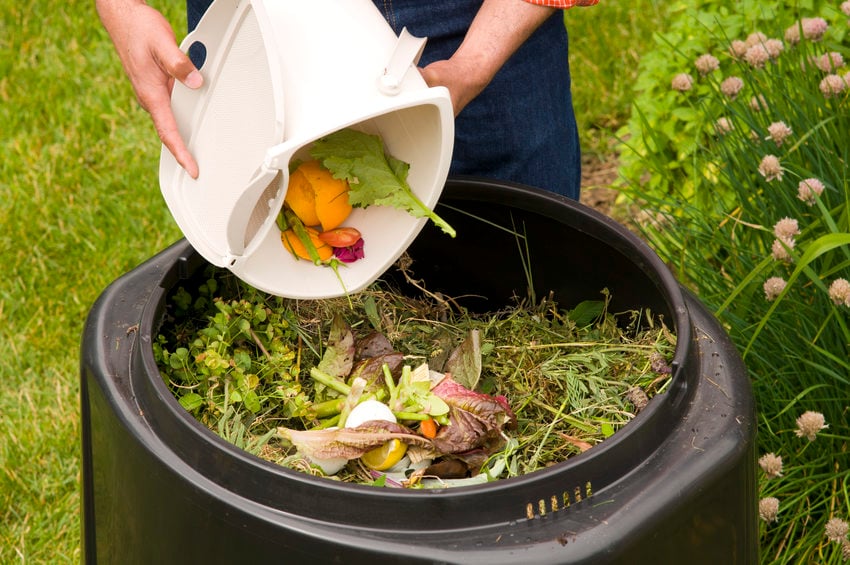
Starting your own garden can help the environment in many ways. Growing your own food could mean that you don't have to drive to the store to get your food. Which reduces the amount of carbon emissions that are being let out into the atmosphere. You just have to walk to your backyard! It also reduces the amount of plastic waste. There is no packaging on home grown food. Which means less plastic waste overall. Another help to the environment is less food waste. When you grow your own food you have the option to only harvest what you need. Meaning you aren't wasting as much food if you didn't grow your own. Another great way to help the environment is composting! Composting is a method of fertilization but much healthier for the environment. You can recycle your food scraps and yard waste to create a very nutrient-rich soil fertilizer. How does composting even help the environment? It reduces the amount of waste that goes into landfills and instead is being reused. By using the alternative of composting you are also reducing the use of Carcinogenic Pesticides and Fertilizers unlike commercial farming composting is much healthier for the environment. Commercial farming emits harmful chemicals into the air, and also pours harmful chemicals into our soil and water. Filling our earth and the foods that we are consuming with harmful chemicals, some that have even been proven to cause cancer and other diseases.
We can grow our own foods, Like fruits and vegetables
yes.
Growing your food in your backyard/garden such as fruits and vegetables is a great way to reduce the emissions produced from processing and transporting the food we eat, not to mention providing a healthy, organic alternative to shop-bought, convenience foods. According to Rainforest Trust, composting conserves water and reduces water use by helping soils retain moisture. You might wonder what composting is. Composting is a process that decomposes organic matter like leaves, vegetable scraps, or tea bags into soil conditioners. This process can make sure that the plants are healthy, conserves water, and reduces water use by helping soils retain moisture. It naturally enriches the soil and prevents plant pests and diseases. In addition, the earth suffers from the loss of wildlife and deforestation because of food production. One of the main causes of deforestation and animal extinction is food production. The production of meat and dairy products in agriculture requires a lot of energy and contributes to deforestation. Always remember to buy locally or organically sourced food to prevent deforestation and loss of wildlife.
People around the world should grow their own food at home. The benefits of it include: a cheaper living. We all know that inflation has affected how people used carbon emissions for food. The New York Times says a pint of strawberries has joined up in price by 25 percent in November, 2021. Tomatoes are growing rapidly in prices at 16.9 percent every year. Miracle Gro, a website that gives tips and tricks to gardeners, explains the second benefit which is creating less waste. This point is very critical because on Earth, trash pits are being overstuffed with trash. The last benefit which is the best, is that people can get to pick how ripe in flavor they want their crops to be. This reflects how we people can pick and decided depending on our own unique taste buds.
According to The Garden Continuum, carbon emissions can be decreased by people growing crops at home. Think about how long it takes food to end up on shelves in supermarkets. Nowadays, crops are sorted and cut by machines which seem convenient but, machines need fuel releasing carbon emissions. Large trucks them come take these crops to supermarkets. Food transportation is also a big factor in carbon emissions. Imports from different countries can also cause carbon emission to be created. If people don't stop growing food at home, the Earth will be affected by global warning or other serious problems. In conclusion, people around the world should grow their own food and crops for a better future!